
Horror is a pretty saturated genre, and a lot of it is, well, not great, meaning that it can take some digging to find the real gems. With that in min
Horror is a pretty saturated genre, and a lot of it is, well, not great, meaning that it can take some digging to find the real gems. With that in mind, this list looks at some great horrors from the last ten years that many readers might not have seen yet. While they’re not that unknown, they typically didn’t find the box office success or wide viewership that they deserve.
The titles below lean toward indie horror, particularly ones that prioritize atmosphere over jump scares, psychological unease over spectacle, and ambiguity over simple answers. They span a range of styles and tones, from the identity fractures of Possessor to the loneliness of The Blackcoat’s Daughter and the grotesque emotional metaphor at the heart of Hatching.
10
‘Oddity’ (2024)
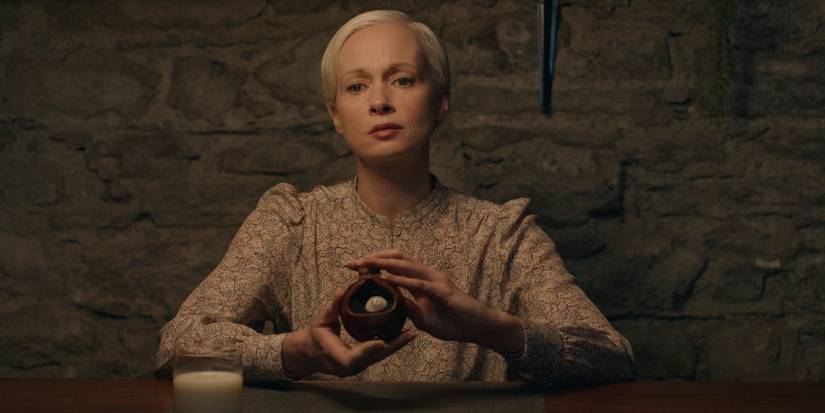
Carolyn Bracken holding an eerie object in OddityImage via IFC Films
“I can feel something watching us.” Oddity is a lean, low-budget horror from Irish filmmaker Damian McCarthy, the brains behind the upcoming Hokum starring Adam Scott, and it’s a marvel of narrative economy. The plot revolves around Darcy (Carolyn Bracken), a blind medium investigating the brutal murder of her twin sister (also played by Bracken). She arrives at the remote house where the crime took place with a collection of strange and seemingly cursed objects. Slowly, each of them reveals what really happened.
As she begins to probe what really happened, the house itself becomes a site of creeping dread. Bracken’s phenomenal dual performance anchors the movie, and the plot keeps swerving in unexpected directions. It subverts genre expectations repeatedly; here, the human characters are more evil and risky than any specter. All this builds up to a brilliant ending boasting one of the most effective closing shots in recent years.
9
‘Censor’ (2021)
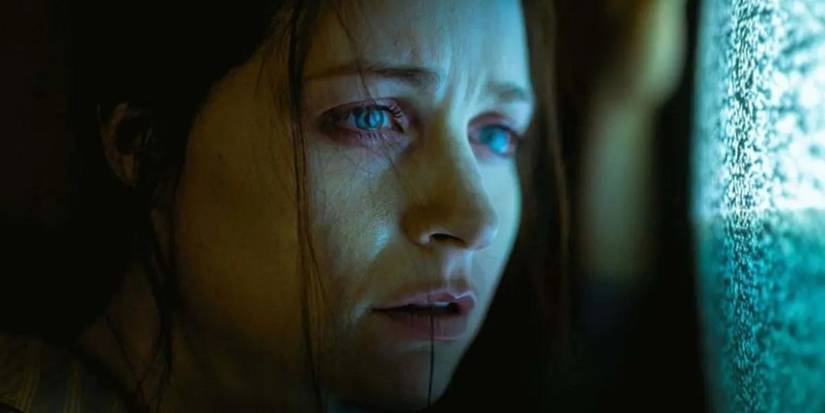
Enid (Niamh Algar) In Censor 2021Image via Silver Salt Pictures
“I see things… and I don’t know if they’re real anymore.” In Censor, a film censor (Niamh Alger) working in 1980s Britain becomes increasingly disturbed by the violent content she reviews. When she encounters a film that seems to mirror her own traumatic past, she begins to lose her grip on reality altogether. This is another slender, competent horror, clocking in at just 84 minutes long, but filled to the brim with striking images and wealthy food for thought.
The visual style plays a crucial role, using color and texture to differentiate (and eventually merge )different layers of reality. In many ways, Censor is a horror movie about horror movies, and the filmmakers clearly have a deep knowledge of and affection for the genre. They draw on countless cinematic references, and do a fantastic job of recreating the grimy look and feel of the old-school video nasties. All in all, a shrewd, shadowy, psychological movie that should please genre aficionados.
8
‘A Dark Song’ (2017)
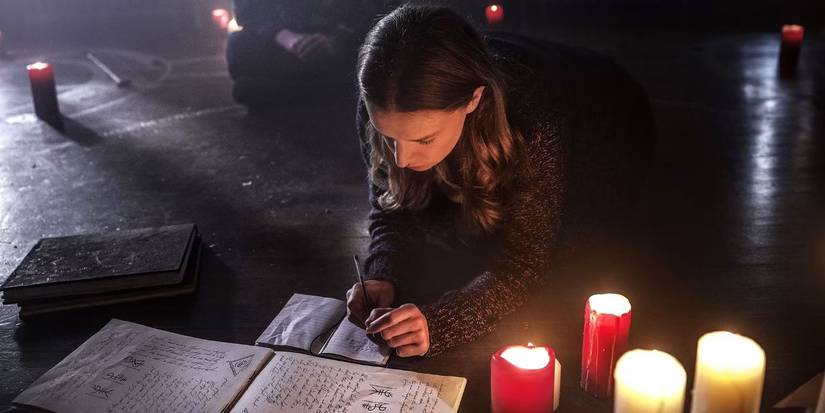
Catherine Walker as Sophia Howard painting symbols by candlelight in A Dark SongImage via IFC Midnight
“This is not a game… and it will not forgive mistakes.” In A Dark Song, a grieving woman (Catherine Walker) hires an occultist (Steve Oram) to aid her perform an elaborate and risky ritual in a secluded house. She hopes to summon her guardian angel so that she can speak with her dead son. But as the ritual progresses, the psychological and physical toll begins to mount, revealing the true cost of what they are attempting, as well as possible deception by the medium himself.
Rather than being melodramatic, this is a more grounded take on ritual magic tropes. The horror builds slowly, rooted in the idea that they may have ventured too far into something they do not fully understand. The animated between the two central characters provides most of the narrative momentum. Their relationship is fraught with tension, constantly shifting between cooperation and hostility, keeping the audience guessing til the end.
7
‘The Blackcoat’s Daughter’ (2017)
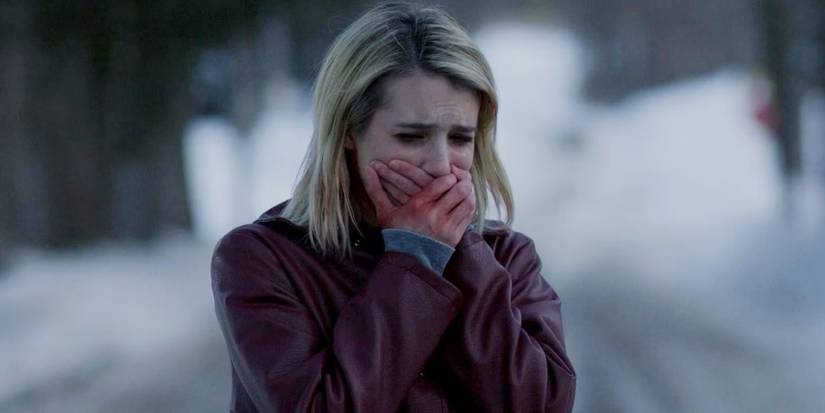
Emma Roberts in The Blackcoat’s Daughter Image Via A24
“Don’t you want to be with me?” Some critics completely panned this movie, which is way too harsh. Oz Perkins‘ directorial debut is a solid, compelling horror, even if not a groundbreaking one. It’s about two students (Kiernan Shipka and Lucy Boynton) who are left behind at a boarding school during winter break, while a third adolescent woman (Emma Roberts) travels toward them under mysterious circumstances. As the timelines begin to converge, something sinister emerges.
The plot admittedly retreats some classic story beats, but the atmosphere is wealthy and immersive enough to compensate. The cool, empty spaces of the school create a sense of isolation that permeates every scene. The sound design is effective, too, using a minimal store and weaponizing subtle noises and long stretches of silence. Plus, the narrative structure itself is intricate and ambitious, deliberately withholding information to disorient the viewer and let them draw their own conclusions.
6
‘Hatching’ (2022)
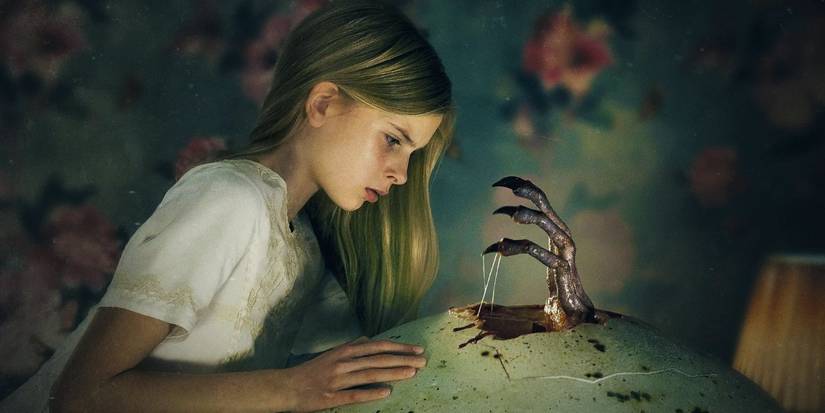
Siiri Solalinna as Tinja looking at a claw coming out of a gigantic egg in HatchingImage via Nordisk Film
“She’s perfect… she’s mine.” This Finnish gem is a satirical, absurdist riff on body horror. The main character is Tinja (Siiri Solalinna), a adolescent gymnast struggling to meet her mother’s expectations. The plot kicks into gear after Tinja discovers a mysterious egg, which she nurtures until it hatches into a strange creature. The creature grows into a human-sized, bird-like monster, which begins to mirror the girl’s inner turmoil in increasingly disturbing ways.
From here, the movie’s tone shifts between domestic drama and grotesque horror, creating a sense of unease that never fully resolves. Indeed, the relationship between mother and daughter is central, with the monster acting as a manifestation of unspoken pressures and fears. The visuals convey this perfectly. The creature design is particularly striking, becoming a physical expression of the protagonist’s psychological state. All this adds up to an wise movie with clear themes, yet one that never lets the message eclipse the frights.
5
‘The Night House’ (2020)
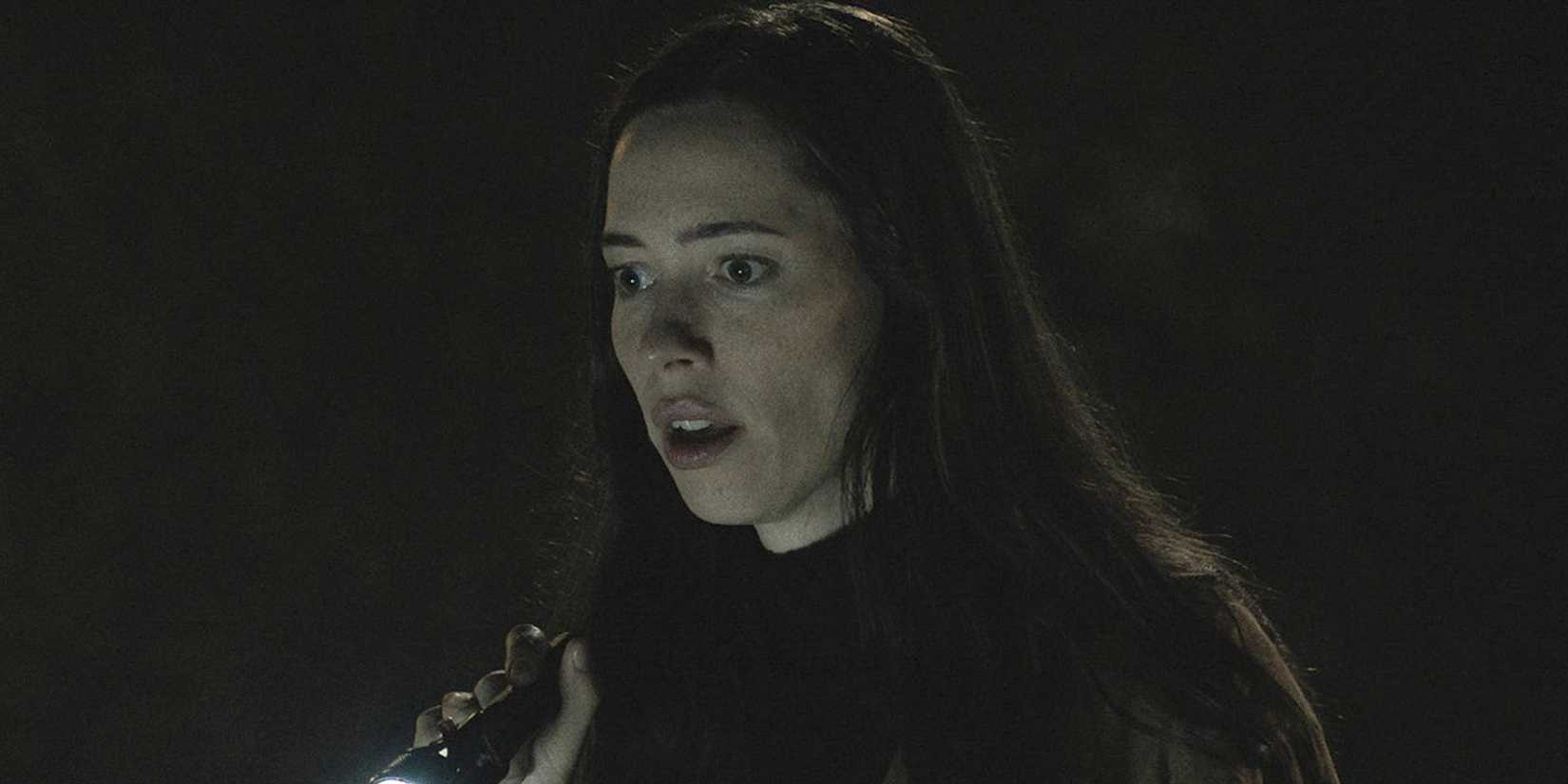
Beth Parchin (Rebecca Hall) holding a flashlight in ‘The Night House’Image via Searchlight Pictures
“There’s nothing there… but it keeps calling me.” Rebecca Hall carries most of this one single-handedly as Beth Parchin, a grieving widow who begins to uncover disturbing secrets about her recently deceased husband (Evan Jonigkeit) while living alone in the lakeside home he built. In the process, she starts to experience strange visions and encounters that suggest something is still waiting for her. The house itself becomes a puzzle, filled with hidden spaces and mirrored structures that reflect the protagonist’s unraveling state of mind.
The set design and cinematography reinforce this. The film plays with negative space, literal darkness, as a source of terror, creating images that seem to shift the longer you look at them. That said, the highlight is Hall. Her performance is layered, wise, and three-dimensional, making Bell far more realistic and compelling than your average horror protagonist. She’s a gripping mix of vulnerable and defiant.
4
‘Possessor’ (2020)
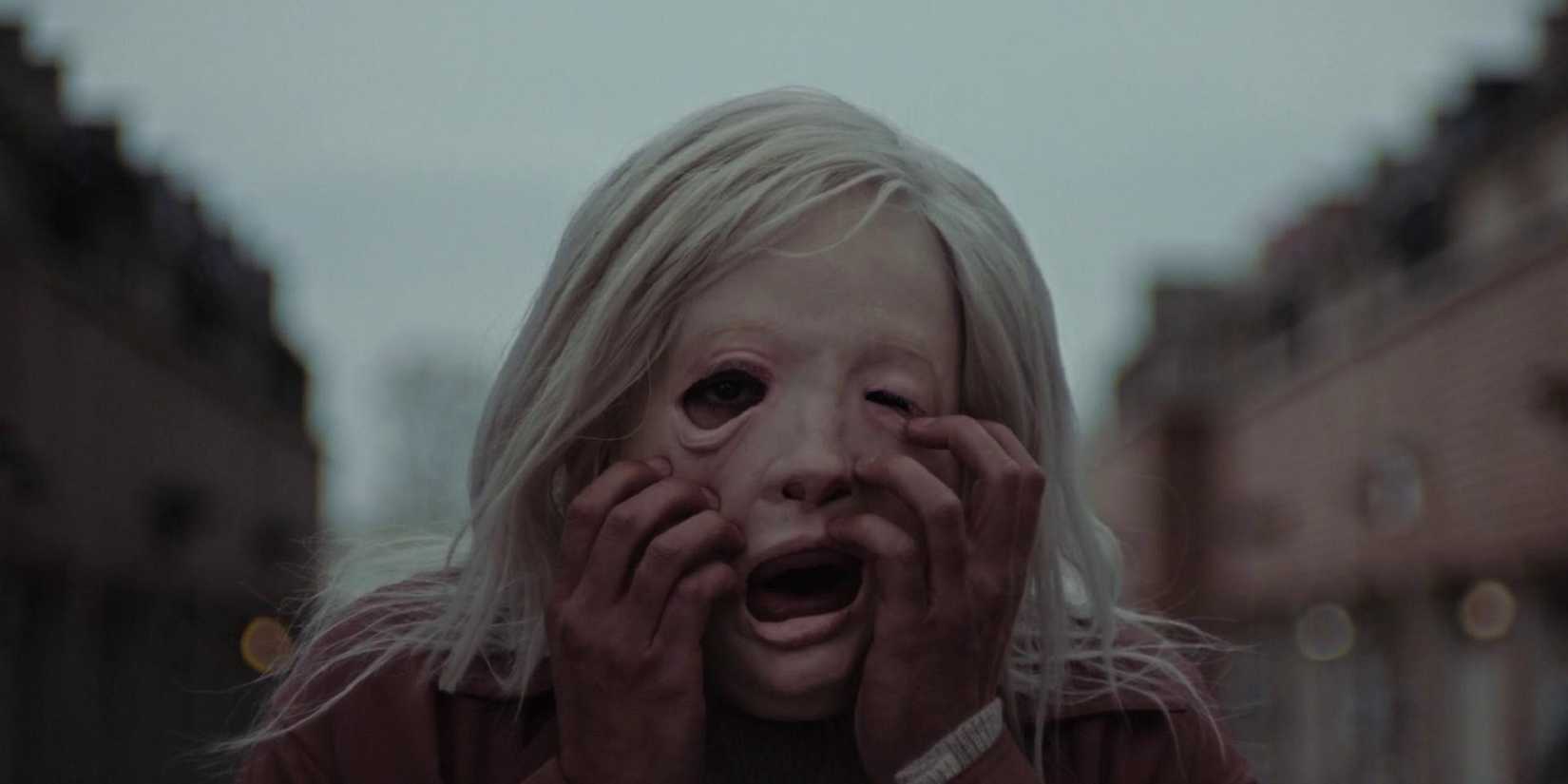
Image via Elevation Pictures
“You’re not in control anymore.” Possessor was the sophomore directorial effort from Brandon Cronenberg, son of David. In it, a corporate assassin (Andrea Riseborough) uses advanced technology to inhabit the bodies of others, carrying out high-profile killings while manipulating her hosts from within. Over the course of the story, her missions become more complicated, and the boundary between her identity and those she possesses begins to blur.
That premise could’ve become overly pulpy, but Cronenberg executes it with considerable style. The imagery is surreal and intense, frequently drenched in blood and gore. Here, the director crafts a world where violence feels intimate and invasive, with each act leaving a residue that cannot be easily erased. In other words, Possessor uses body horror in a deeply conceptual way. Like the best work by Cronenberg Sr., this movie delves deep into emotional detachment, the vulnerability of the body, and the dehumanizing side of technology.
3
‘Mad God’ (2021)
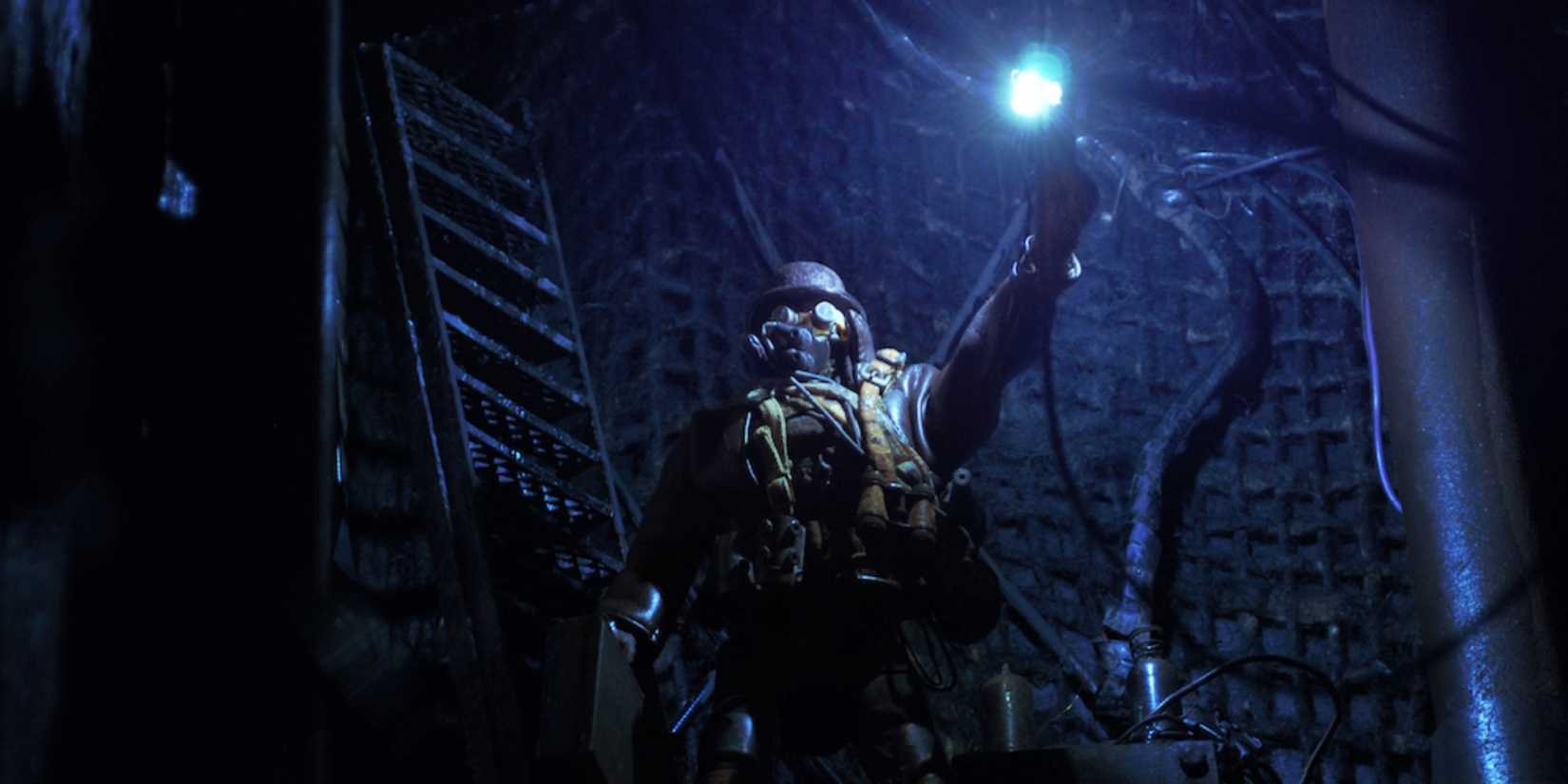
A masked figure standing in a shadowy room in Mad God – 2021Image via Shudder
“I will act against you in wrathful hostility.” Mad God is the ridiculously ambitious magnum opus from animator and effects artist Phil Tippett, famed for his work on Star Wars and Jurassic Park. It’s a stop-motion horror in which a lone figure descends into a nightmarish underworld filled with grotesque creatures, endless machinery, and scenes of constant suffering. The film unfolds with minimal dialogue, relying instead on its imagery to convey meaning.
The lack of a conventional plot allows the film to operate on a more symbolic level, with each sequence contributing to a broader sense of existential dread. On the aesthetic side, the stop-motion animation creates a tactile, oppressive world where every frame is filled with detail and decay. In an era of CGI and computer animation, it’s a sporadic treat to experience something so physical and handcrafted. While certainly not for everyone, Mad God will reward those who embrace its shadowy, dream-like sensibility.
2
‘The Rule of Jenny Penn’ (2025)
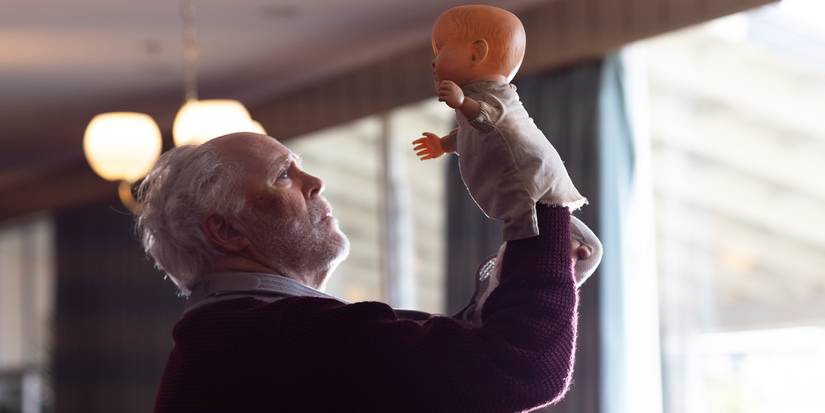
John Lithgow holding up a toy doll and looking up at it sadlyImage via IFC Films
“We don’t stop playing because we get old, we get old because we stop playing.” This gem out of New Zealand is driven by the remarkable animated between Geoffrey Rush and John Lithgow. Rush plays Stefan Mortensen, an elderly judge who suffers a stroke and is forced to spend some time in a care home. There, he is subjected to the tyranny of fellow resident Dave Crealy (Lithgow), who masquerades as confused and harmless by day but torments the home by night.
Both performers are fantastic here, Lithgow in particular. His Crealy is a truly heinous antagonist, demented, manipulative, and seemingly unstoppable, yet far from a caricature or cartoon. Through these characters, the film examines tough, relevant themes around aging, abuse of power, and the courage to resist bullies. The plot keeps you on your toes, pivoting in unexpected directions and charting a wholly up-to-date course for horror storytelling.
1
‘The Autopsy of Jane Doe’ (2016)
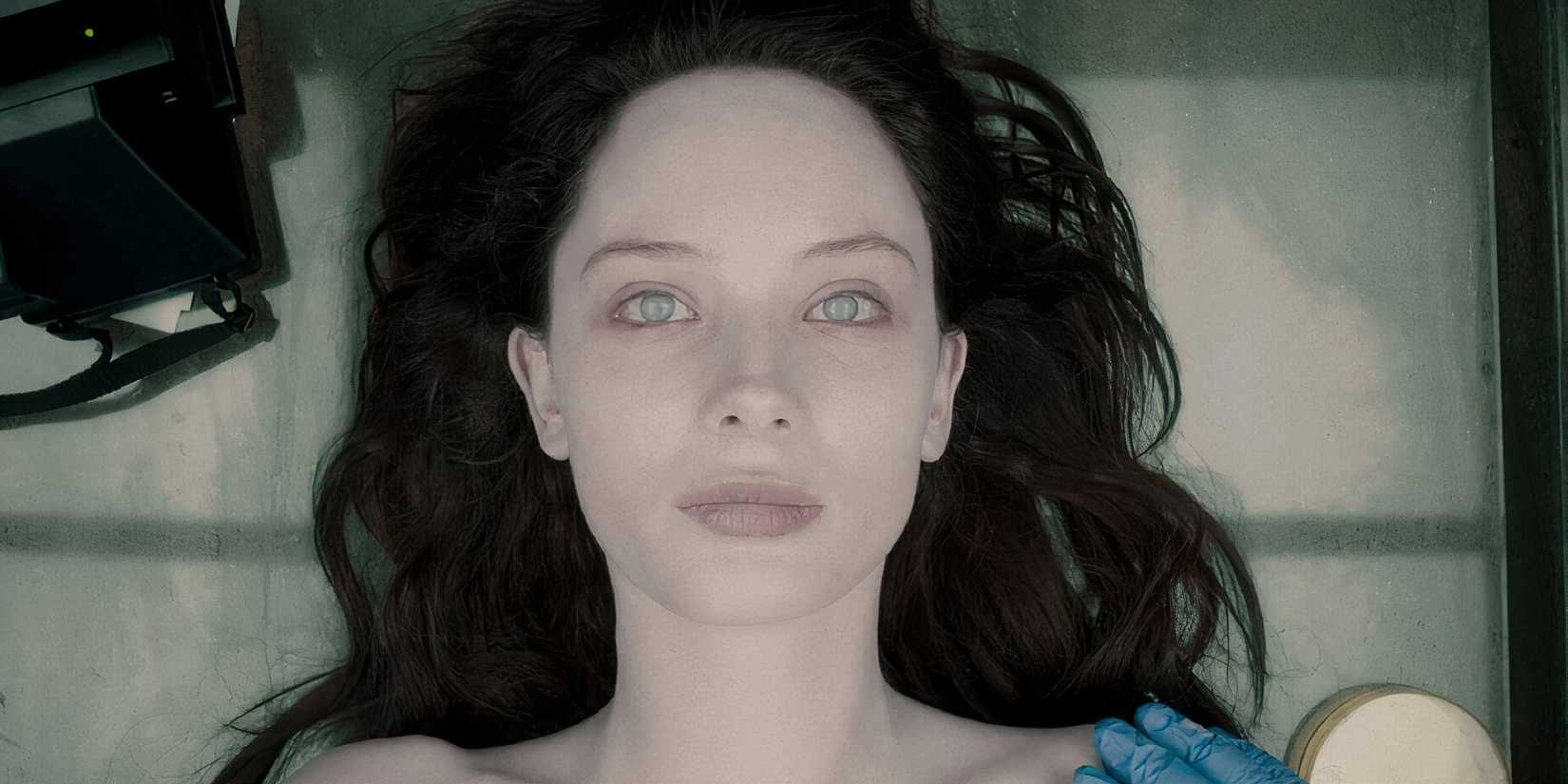
Done Olwen in The Autospy of Jane DoeImage by IFC Midnight
“There’s something wrong with this body.” In The Autopsy of Jane Doe, a father-and-son team of coroners (played by Brian Cox and Emile Hirsch) receive the body of an unidentified woman (Olwen Kelly) and begin a routine autopsy. However, while examining her, they uncover increasingly bizarre and impossible details, suggesting that the body is anything but ordinary. Each discovery during the autopsy adds a up-to-date layer of mystery.
The majority of the story takes place within a single location, which director André Øvredal uses to tremendous effect, turning the morgue into a space of relentless mounting tension. In many ways, the movie is straightforward, consisting of just one setting and a handful of characters and clocking in at just 86 minutes, yet each of these constrained elements is arranged into the exact right place. Ultimately, it’s a shrewd, creepy, and even frequently humorous horror that gleefully subverts the usual supernatural tropes.
Collider Exclusive · Oscar Best Picture Quiz
Which Oscar Best Picture
Is Your Perfect Movie?
Parasite · Everything Everywhere · Oppenheimer · Birdman · No Country
Five Oscar Best Picture winners. Five completely different visions of what cinema can be — and what it can do to you. One of them is the film that was made for the way your mind works. Ten questions will figure out which one.
Parasite
Everything Everywhere
Oppenheimer
Birdman
No Country for Old Men
FIND YOUR FILM →
01
What kind of film experience do you actually want?
The best movies don’t just entertain — they leave something behind.
ASomething that pulls the rug out — that makes me think I’m watching one kind of film and then reveals I’m watching another entirely.
BSomething overwhelming — humorous, depressed, absurd, and genuinely moving, all at once.
CSomething grand and weighty — a film that makes me feel the full scale of what I’m watching.
DSomething formally daring — a film that pushes what cinema can even do.
ESomething lean and relentless — pure tension with no wasted frame.
NEXT QUESTION →
02
Which idea grabs you most in a film?
Great films are driven by a central obsession. What’s yours?
AClass, inequality, and what people are willing to do when desperation meets opportunity.
BIdentity, family, and the chaos of trying to hold your life together when everything is falling apart.
CGenius, moral responsibility, and the catastrophic weight of a decision you can never take back.
DEgo, legacy, and the terror of becoming irrelevant while you’re still alive to watch it happen.
EEvil, chance, and whether moral order actually exists or if we just tell ourselves it does.
NEXT QUESTION →
03
How do you like your story told?
Form is content. The way a story is shaped changes what it means.
AGenre-twisting — I want it to start in one lane and migrate into something completely different.
BMaximalist and genre-blending — comedy, action, drama, sci-fi, all in one ride.
CEpic and non-linear — cutting between timelines, building a mosaic of cause and consequence.
DA single unbroken flow — I want to feel like I’m living it in real time, no cuts to safety.
ESpare and precise — every scene doing exactly what it needs to do and nothing more.
NEXT QUESTION →
04
What makes a truly great antagonist?
The opposition defines the protagonist. What kind of opposition fascinates you?
AA system — imperceptible, structural, and almost impossible to fight because it has no single face.
BThe self — the ways we sabotage, abandon, and fail the people we love most.
CHistory — the unstoppable momentum of events that no single person can stop or redirect.
DThe industry — the machinery of culture that chews up talent and spits out irrelevance.
EPure, implacable evil — a force so certain of itself it becomes almost philosophical.
NEXT QUESTION →
05
What do you want from a film’s ending?
The final note is the one that lingers. What do you want it to sound like?
AShock and inevitability — a conclusion that recontextualises everything that came before it.
BEarned emotion — I want to cry, laugh, and feel genuinely hopeful, even if the world is a mess.
CDevastation and grandeur — an ending that makes me sit in silence for a few minutes after.
DAmbiguity — something that leaves enough open that I’m still thinking about it days later.
EBleakness — an straightforward refusal to pretend the world is tidier than it actually is.
NEXT QUESTION →
06
Which setting pulls you in most?
Where a film takes place shapes everything — mood, stakes, what’s even possible.
AA gleaming contemporary city with a hidden underside — beauty masking rot, wealth masking desperation.
BA collapsing suburban life that opens onto something infinite — the multiverse of a single ordinary person.
CThe corridors of power and science at a world-historical turning point — where decisions echo for decades.
DThe grimy, alive chaos of New York and Hollywood — fame as both destination and trap.
EVast, indifferent landscape — desert and highway where violence arrives without warning or reason.
NEXT QUESTION →
07
What cinematic craft impresses you most?
Every great film has a signature — a technical or artistic element that makes it unmistakable.
AProduction design and mise-en-scène — every frame composed to carry meaning beneath the surface.
BEditing and tonal control — the ability to move between registers without losing the audience.
CScore and sound design — music that becomes inseparable from the dread and awe of what you’re watching.
DCinematography as performance — the camera not recording events but participating in them.
ESilence and restraint — what’s left unsaid and unshown doing more work than any dialogue could.
NEXT QUESTION →
08
What kind of main character do you root for?
The protagonist is the lens. Who you choose to follow says something about you.
ASomeone shrewd and resourceful who makes increasingly risky decisions under pressure.
BSomeone overwhelmed and ordinary who turns out to be capable of something extraordinary.
CA brilliant, tortured figure whose gifts and flaws are inseparable from each other.
DA self-destructive artist whose ego is both their superpower and their undoing.
EA tranquil, principled person trying to make sense of a world that has stopped making sense.
NEXT QUESTION →
09
How do you feel about a film that takes its time?
Pace is a choice. Some films sprint; others let tension accumulate slowly, deliberately.
AI love a ponderous build when I know the payoff is going to be seismic — patience for a devastating reveal.
BGive me relentless momentum — I want to feel breathless and emotionally spent by the end.
CEpic runtime doesn’t scare me — if the material demands three hours, give me three hours.
DI want it to feel propulsive even when nothing is technically happening — restless energy throughout.
EDeliberate and unhurried — I want dread to accumulate in the spaces between the action.
NEXT QUESTION →
10
What do you want to feel walking out of the cinema?
The best films leave a mark. What kind of mark do you want?
AUnsettled — like I’ve just seen something I can’t fully explain but can’t stop thinking about.
BMoved and energised — like the film reminded me what actually matters and gave me something to hold onto.
CHumbled — like I’ve been in the presence of something genuinely crucial and overwhelming.
DExhilarated — like I’ve just seen cinema doing something it’s never quite done before.
EHaunted — like a cool, tranquil dread that stays with me for days.
REVEAL MY FILM →
The Academy Has Decided
Your Perfect Film Is…
Your answers have pointed to one Oscar Best Picture winner above all others. This is the film that was made for the way your mind works.
Parasite
You are drawn to films that operate on multiple levels simultaneously — that begin in one genre and quietly, brilliantly migrate into another. Bong Joon-ho’s Parasite is a film about class, desire, and the architecture of inequality that manages to be darkly humorous, deeply suspenseful, and genuinely shocking across a single extraordinary running time. Your instinct is for cinema that hides its true intentions until the moment it’s ready to reveal them. Parasite is exactly that — a film that rewards close attention and punishes assumptions, right up to its devastating final image.
Everything Everywhere All at Once
You want it all — and this film gives you all of it. The Daniels’ Everything Everywhere All at Once is one of the most maximalist films ever made: action comedy, multiverse sci-fi, family drama, existential crisis, and a genuinely earned emotional core that sneaks up on you amid the chaos. You are someone who responds to ambition, who doesn’t want cinema to choose between being entertaining and being meaningful. This film refuses that choice entirely. It is overwhelming by design, and its overwhelming nature is precisely the point — because the feeling of being crushed by infinite possibility is exactly what it’s about.
Oppenheimer
You are drawn to cinema on a grand scale — films that understand history not as a backdrop but as a force, and that place their characters inside that force and watch what happens. Christopher Nolan’s Oppenheimer is a film about the terrifying gap between what we can do and what we should do, told with the full weight of one of the most consequential moments in human history behind it. You want your films to feel crucial without feeling self-important — to earn their ambition through sheer craft and the gravity of their subject. Oppenheimer does exactly that. It is enormous, complicated, and refuses simple comfort.
Birdman
You are drawn to films that foreground their own construction — that make the how of the filmmaking part of the what it’s about. Alejandro González Iñárritu’s Birdman, shot to appear as a single continuous take, is cinema examining itself through the cracked mirror of a fading actor’s ego. You respond to formal daring, to the feeling that a film is doing something that probably shouldn’t be possible. Michael Keaton’s performance and Emmanuel Lubezki’s restless camera create something genuinely unlike anything else — a film that is simultaneously about creativity, relevance, self-destruction, and the impossibility of ever truly knowing if your work means anything at all.
No Country for Old Men
You are drawn to cinema that trusts silence, that refuses to explain itself, and that treats dread as a form of meaning. The Coen Brothers’ No Country for Old Men is a film about the arrival of a up-to-date kind of evil — implacable, arbitrary, and utterly indifferent to the moral frameworks we employ to make sense of the world. It is one of the most formally controlled films ever made, and its controlled restraint is what makes it so terrifying. You want your films to haunt you, not comfort you. You are not interested in resolution if resolution would be dishonest. No Country for Old Men is straightforward in a way that most cinema never dares to be.
↻ RETAKE THE QUIZ


COMMENTS