
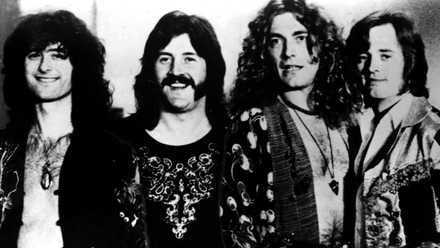
Led Zeppelin is one of the most successful acts in rock history, and they came out of the gate swinging pretty tough. Led Zeppelin and Led Zeppelin II
Led Zeppelin is one of the most successful acts in rock history, and they came out of the gate swinging pretty tough. Led Zeppelin and Led Zeppelin II are remarkable records, showcasing the band’s pointed playing and building a foundation for the rest of their career; however, like many blues acolytes, Led Zeppelin played the hits, literally, and there are many notable instances on the first two Led Zeppelin albums where Led Zeppelin directly rip off other artists. While this led the band to early success, by the time of their third record, Led Zeppelin needed to expand into a more original sound. Luckily, they got there with Led Zeppelin III. The album that would tee the band up to become the legends we know them as today.
Opening the Album With an Odd Smash-Hit
The most obvious change about Led Zeppelin III is that it’s considerably more acoustic and off-kilter than their first two records sonically. The “off-kilter” angle can be seen first, with the opening track, “The Immigrant Song,” where Zeppelin pushes their bulky blues into straight-up metal with one of the most intense songs in rock history up until this point. This is Led Zeppelin III’s most notable track, and for good reason. Robert Plant’s wailing screams are instantly catchy, and the chug of Jimmy Page’s guitar is an instant classic. The intensity is far beyond anything Zeppelin has done up until this point, and with its references to Vikings and sonic ferocity, it’s not surprising this would be considered one of the first “metal” songs. What makes “Immigrant Song” ironic, as the poster child of this album, is that nothing on the record sounds anything like it.
That’s not to say there’s no heavier rock here, but the songs that come close are more limited in their instrumentation and dialed back on the distortion. The bombast is what disappears, but the core heaviness remains. Don’t let the lightness of the guitars fool you; the riffs Page plays are basically metal rhythm guitar, especially on tracks like “Celebration Day.” It’s filled with the same dissonant darkness, just lacking the distortion and force to make them punch as tough as more straightforward bulky metal bands would do in the coming years. The riffs for songs like “Out on the Tiles” have all the rapid-fire grooves that’d become common in bands like Judas Priest. Meanwhile, “Since I’ve Been Lovin’ You” drags on in the same kind of gloomy march Black Sabbath was becoming known for around this same time. Side A of Led Zeppelin III has the same bones as “The Immigrant Song” and early bulky metal, but it’s more subtle, and therefore doesn’t get the credit it deserves.
Related
Led Zeppelin’s Greatest Deep Cut From Every Album
You won’t find “Stairway to Heaven” or “Kasmir” on this list.
Led Zeppelin Goes Acoustic to Great Success
These darker compositions are a whole recent dimension for Zeppelin, which was only teased on songs like “Dazed and Confused.” Typically, the band has been either upbeat or sorrowful, but never quite legitimately gloomy. This is perhaps at its most obvious when Zeppelin does lean back into covers on “Gallows Pole,” which is based on a folk standard called “The Maid Freed From the Gallows.” The Led Zeppelin version of the track leans into the morbid lyrics and creates an intense, somewhat frantic version of the song.
“Gallows Pole” is the perfect introduction to side B of the record, which is entirely acoustic cuts, which are not only unique because of the instrumentation change, but also for the ways Led Zeppelin leans into folk and country like never before. The band’s instant adaptation to this recent style showcases the extent of their versatility. The first two tracks are good examples of this. Led Zeppelin masterfully adapts their standard crooning heartbreak songs and strums them out in a more controlled somberness rather than belting out in anguish. Then, for “Bron-Y-Stomp,” as the name implies, this is more of a toe-tapping country track. With a sturdy rhythmic base of Page’s brisk rhythmic playing, while the rest of the band claps along, it’s got a similar rhythmic base as country classics like “(Ghost) Riders in the Sky.”
The second cover on the record is the final track, “Hats off to (Roy) Harper.” As a tribute to a fellow British blues musician, this track is, unsurprisingly, a blues cover. However, it still keeps to the limited acoustic feel of the rest of the record. Page’s slide playing feels more like he’s scraping his strings, while Plant’s voice is distorted in a reverb amplifier. It’s confused and loose, like a lot of the tracks on this record, and represents Zeppelin taking an already odd track and making it weirder to fit their recent direction.
A Stepping Stone That’s Solid on Its Own
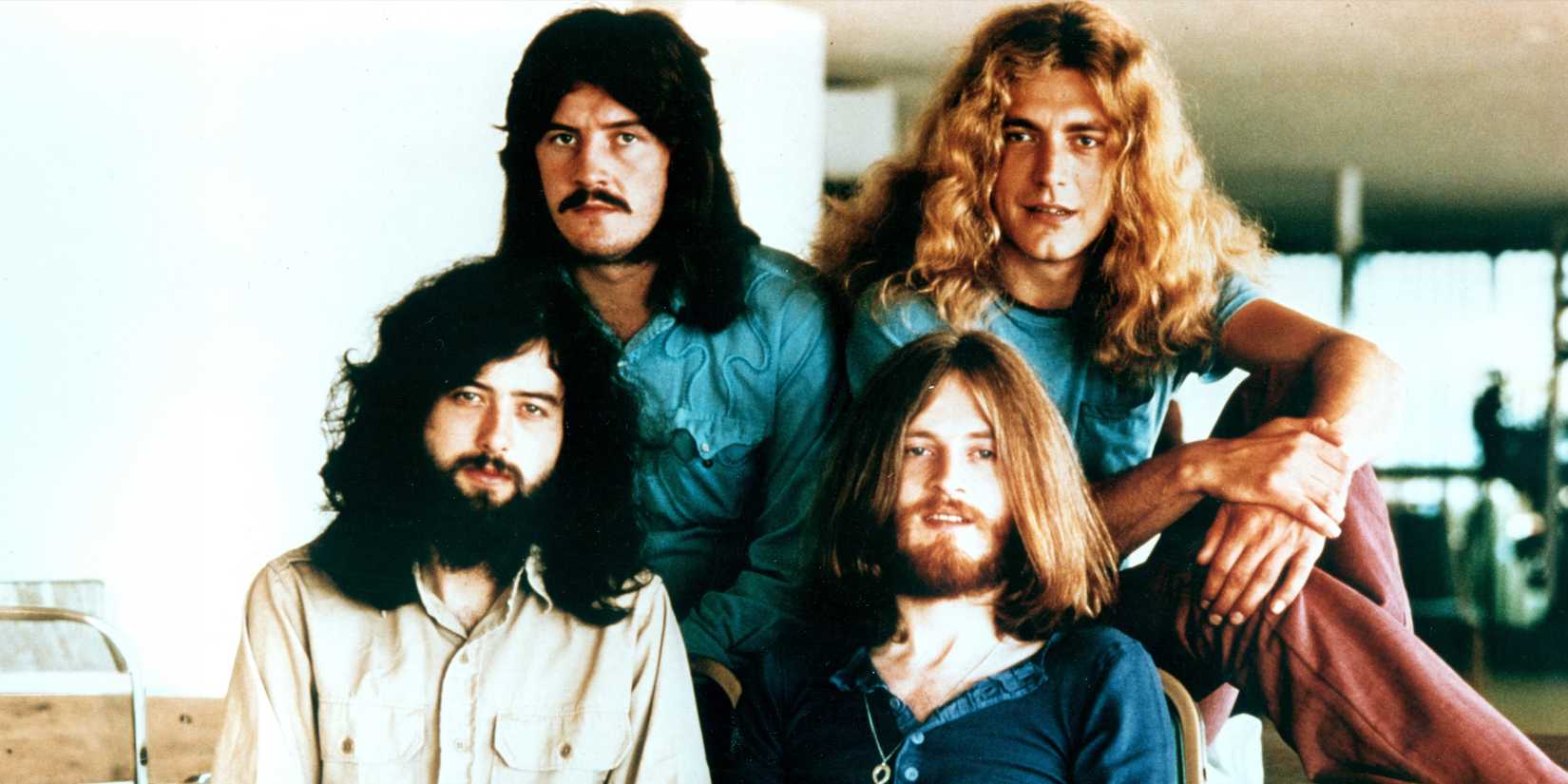
Image via Everett Collection
Side B of Led Zeppelin III may still be derivative of other genres, but the way that Led Zeppelin adapts them to fit their strengths takes them to a recent level. With this successful experimentation on Led Zeppelin III, the band was able to stretch their sound further on Led Zeppelin IV, arguably the apex of their powers. They delve into recent ideas, such as recent fantasy-inspired lyrical topics, while keeping a foot in their blues roots. Listening to Led Zeppelin and Led Zeppelin II, then skipping to IV, simply makes no sense without Led Zeppelin III. This off-the-beaten-path record may have confused critics at the time, but it was a necessary point of growth for the band to reach recent heights.
Aside from being a stepping stone, this record is, it’s also just incredibly good. It’s a diverse showcase of Zeppelin’s talents and an exploration of their incredibly sturdy songwriting. It continues to stand out sonically in the Led Zeppelin catalog and, therefore, is a one-of-a-kind version of this band that’s tough to find anywhere else. While Led Zeppelin III (outside of “The Immigrant Song”) isn’t filled with as many radio hits as the surrounding records, it’s an album that’s not only just as high quality, but shows Zeppelin’s taking one of the most meaningful and necessary steps forward in their career.


COMMENTS