
A good book can do extraordinary things. There’s an intimacy in a book that you don’t get to experience with other media. It’s escapism at its finest.
A good book can do extraordinary things. There’s an intimacy in a book that you don’t get to experience with other media. It’s escapism at its finest. Science fiction novels give readers the chance to escape reality and enter a world beyond their own. Maybe it’s a journey to space or to a dystopian future. Wherever it takes you, if they’re good, the stories stick with you.
Over the past 20 years, the sci-fi genre has been booming. Some of the greatest and most impactful novels have been released during that span, some of which have been adapted for the screen, even launching a franchise into the stratosphere. But the bibliophiles found them first. The 13 titles on this list are extraordinary. They’ve scared us about what the future could look like under the wrong hands and given us optimism about the good people who would sacrifice their lives for the betterment of humanity. What they all have in common is that they are rooted in science. How many have you read?
13
‘The Hunger Games’ by Suzanne Collins
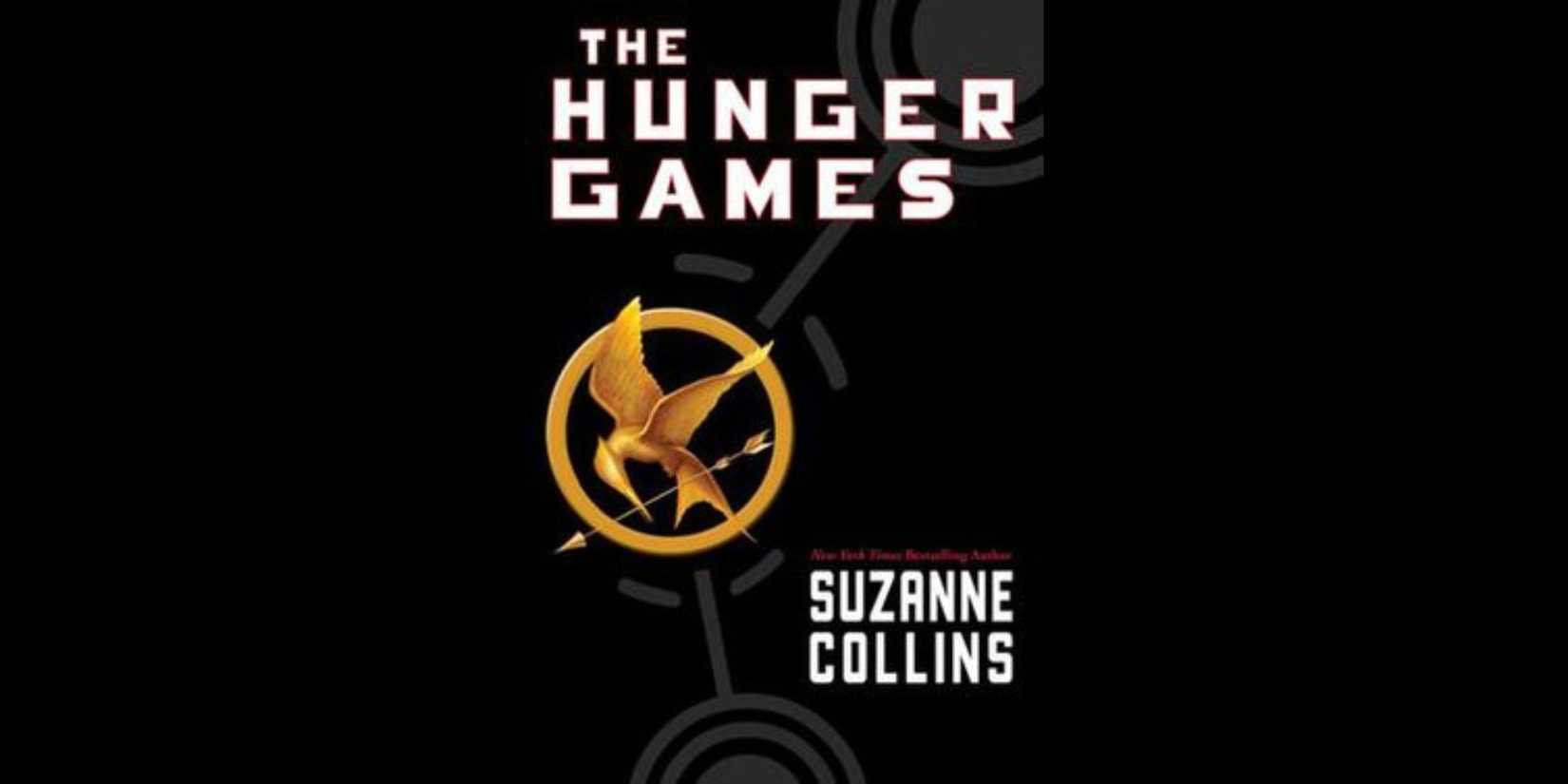
The book cover of Suzanne Collins’ The Hunger Games.’Image via Scholastic
There is no up-to-date science fiction franchise that has taken over the world quite like The Hunger Games. And it all started as a book by Suzanne Collins. The dystopian teenage adult novel set in Panem follows 16-year-old Katniss Everdeen from District 12. After her younger sister is selected for the games, Katniss bravely volunteers to take her place. Thrust into an arena alongside 23 other tributes, she must rely on her wilderness survival skills, hunting abilities, and wits to survive. Ultimately, the competition forces Katniss to navigate a deadly love triangle and make critical choices between her own survival and her morality. Blending high-tech, speculative elements with a keen, blistering critique of authoritarianism, extreme wealth gaps, and contemporary media manipulation, The Hunger Games reshaped the genre while launching a franchise.
The first novel was inspired by Collins’ channel-surfing, seeing footage of the Iraq War alongside reality television. The two stark images resulted in an adrenaline-pumping survival story, with a unique commentary on war and celebrity. With relentless pacing through the lens of a relatable protagonist, The Hunger Games tackled shadowy themes in an accessible manner. To make them resonate, having imperfect characters allows the reader to see the perspectives more fully. Katniss is not your typical, flawless hero. She is fiercely protective, fiercely pragmatic, and occasionally flawed, making her genuine and someone like those readers. She’s a teenager forced to take on adult burdens. With a classic foundation, Collins masterfully adapted archaic mythological tropes, specifically the Greek myth of Theseus and the Roman gladiator games, into a contemporary, futuristic setting.
The Hunger Games is an critical book, but it’s become much bigger than the story on the page. The first novel is part of a bigger franchise that has since been adapted into a massive cinematic universe. The original trilogy, starring Jennifer Lawrence, Josh Hutcherson, and Liam Hemsworth, launched them into superstardom as the blockbusters got butts to cinema seats. It’s also expanded into prequels, with the latest film dropping this fall. The Hunger Games challenged society by giving teenage readers and moviegoers reason to question their own society, inviting political resistance in the process. As one of the biggest pop culture events of the century, The Hunger Games remains an influential piece of literature.
12
‘Project Hail Mary’ by Andy Weir
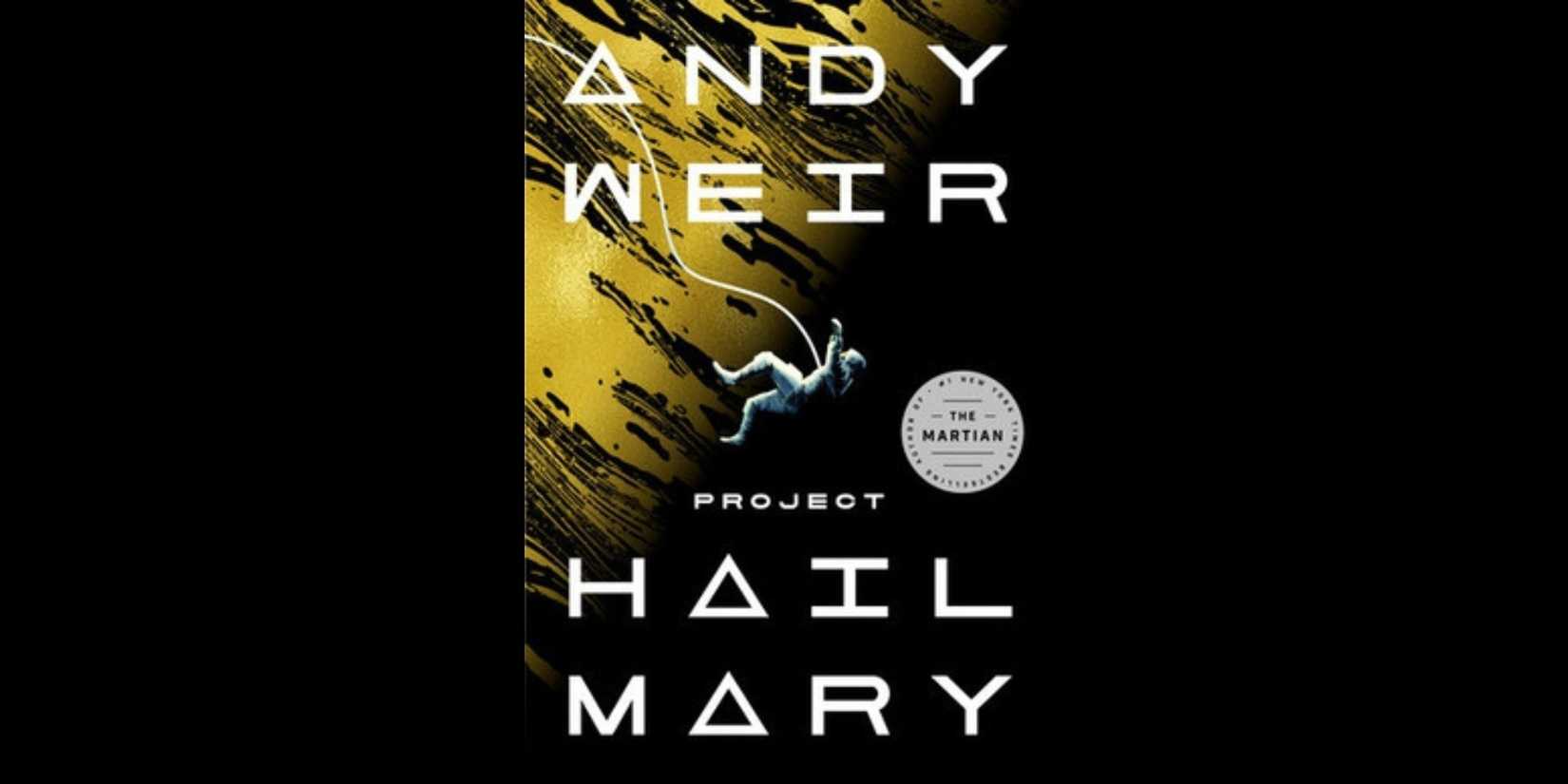
The book cover for ‘Project Hail Mary’ by Andy Weir.Image viaa Ballantine Books
In the year 2026, the biggest sci-fi film is none other than Project Hail Mary. Of course, the cinematic event is an adaptation of Andy Weir’s 2021 novel. The story follows Ryland Grace, a former science teacher turned reluctant astronaut. He wakes up alone on a spaceship, light-years from Earth, with amnesia, tasked with a last-chance mission to save humanity from an alien microorganism consuming the sun. A thrilling example of difficult science fiction, Project Hail Mary brings a fast-paced novel that’s filled with heart, charm, and optimism through the power of perseverance. And the heart is a tale of companionship. Now that the book has a face with the Ryan Gosling-led film, it’s become an even more beloved novel.
Weir breaks down intricate, real-world physics and engineering concepts into easily digestible terms, making readers feel as if they’re working alongside Grace. But Project Hail Mary is a dual narrative in which an amnesic protagonist solves intricate, life-or-death physics and biology puzzles to save Earth, all while forming an incredibly heartwarming friendship with an alien. That’s the true core of the story. Because the two characters speak completely different languages and come from vastly different worlds, they miraculously bridge the communication gap through teamwork and scientific reasoning. The narrative unravels brilliantly through alternating flashbacks and real-time tension, keeping readers hooked from page one. Weir continued to cement himself as the sci-fi writer of the century.
11
‘Blindsight’ by Peter Watts
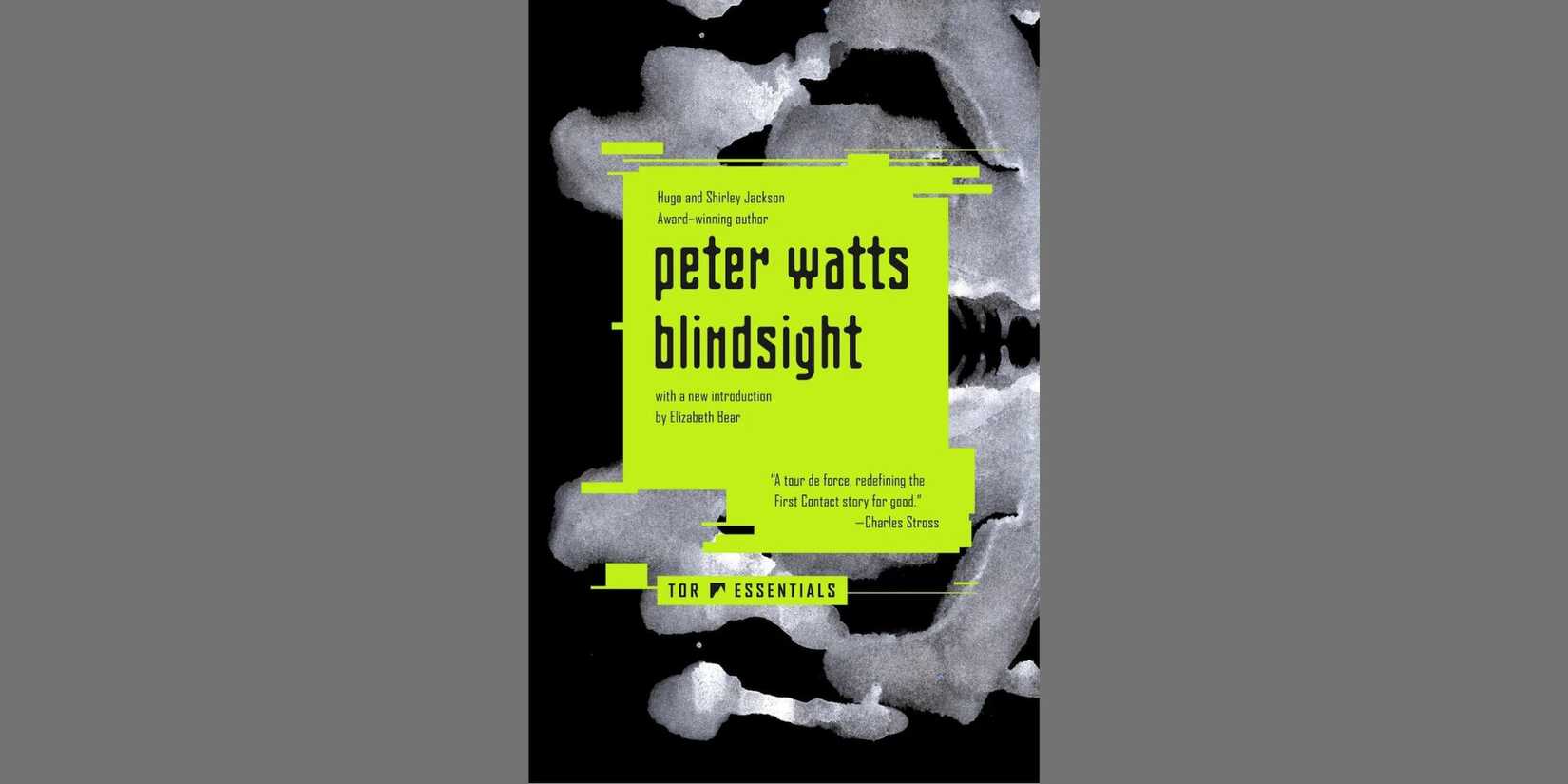
Image via Tor Publishing Group
Published in 2006, we have Peter Watts’ sci-fi novel Blindsight. The chilling thriller hooks with the horrifying premise: consciousness is not a prerequisite for intelligence, and it might actually be an evolutionary disadvantage. Blindsight tells the story of the crew of Theseus on a deep-space mission who discover that the alien species they are trying to communicate with is incredibly sharp but completely devoid of self-awareness or sentience. A bleak drama that rivals Ridley Scott’s Alien, in which the monster is a profound philosophical concept, Blindsight offers a terrifying, rigorously researched deconstruction of the “hard problem” of consciousness.
Blindsight pushes the boundaries by causing the reader to ponder whether true, hyper-advanced intelligence might not actually require sentience or self-awareness to exist. The alien species, the Scramblers, encountered by humanity are brilliant, rapidly adapting, and technologically superior. By presenting them as emotionless, it presents the theory that human consciousness might be an evolutionary flaw. To assist this theory, the crew is not presented as heroic explorers but as a modified, transhuman crew specifically engineered to be effective rather than empathetic. Sometimes cerebral thrillers are equally gripping as epic space operas. It’s a subversive novel whose strict adherence to difficult science sets it apart in the genre.
10
‘Leviathan Wakes’ by James S.A. Corey
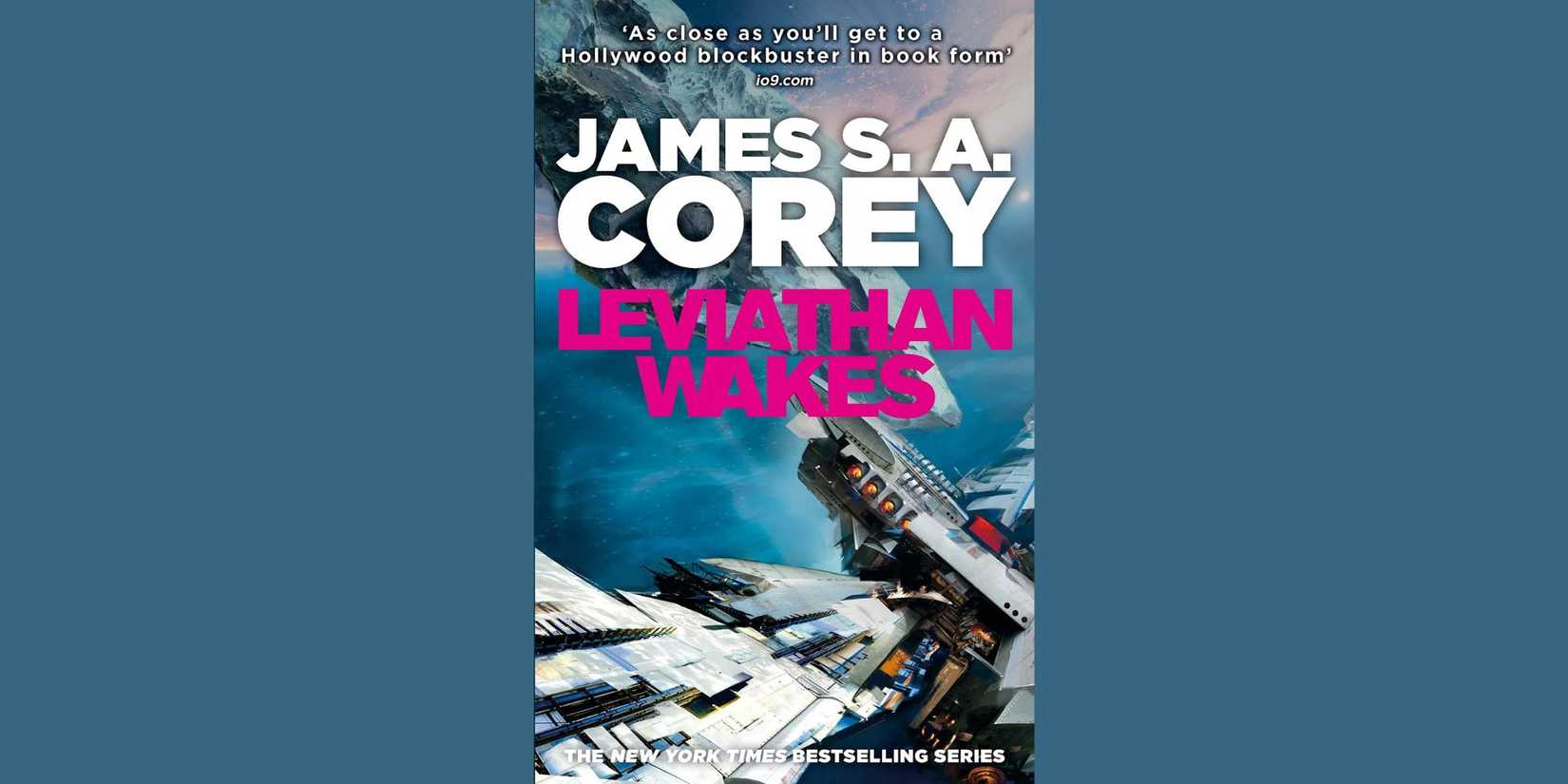
Image via Orbit Books
Under the pen name James S.A. Corey, American writers Daniel Abraham and Ty Franck wrote Leviathan Wakes, the first book in the Expanse series. The epic space opera follows idealistic ship officer Jim Holden and cynical detective Joe Miller as they uncover a enormous, solar-system-wide conspiracy. As political tensions between Earth, Mars, and the asteroid belt threaten to spark a catastrophic war, the two must navigate corporate greed and alien technology. Revitalizing the subgenre, Leviathan Wakes rooted futuristic space travel in realistic physics while seamlessly blending a noir detective mystery with an existential alien thriller and a sociopolitical thriller.
Leviathan Wakes is the pinnacle of 21st-century sci-fi thrillers. The story is grounded in our solar system, which allows the political discourse to center around how gravity and environmental scarcity actually shape human biology and culture. Evolving from a tabletop RPG campaign, Leviathan Wakes’ narrative inherently featured animated, character-driven energy and forceful writing that was incredibly engaging and simple to consume. Leviathan Wakes launched a nine-part series on a cinematic scale. Of course, it was ripe for adaptation. Leviathan Wakes served as the blueprint for the first season and a half of the hit Syfy and Prime Video series The Expanse, which ran for six triumphant seasons. Leviathan Wakes and The Expanse series remain the most thrilling up-to-date space opera.
9
‘Dark Matter’ by Blake Crouch
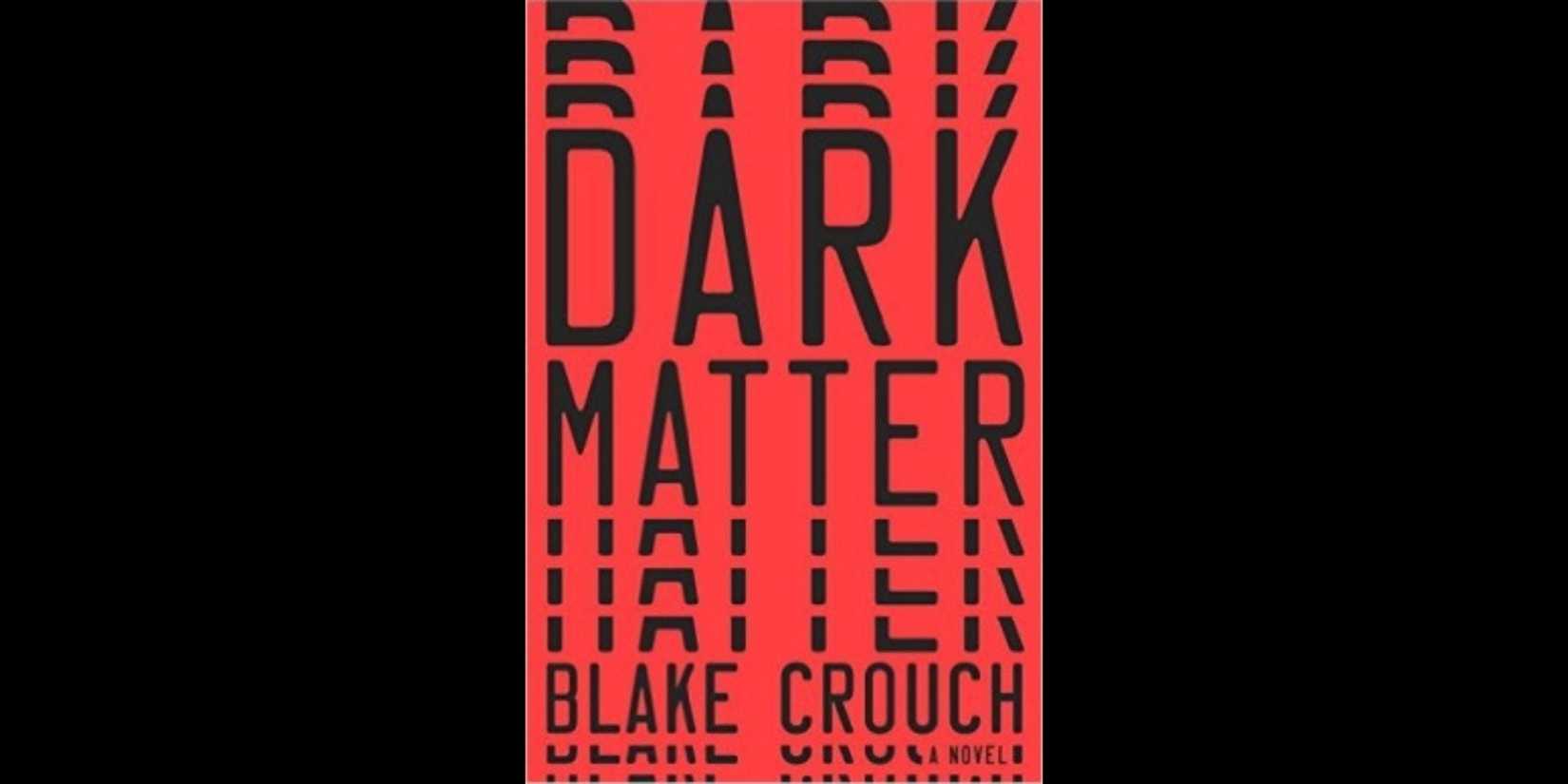
The book cover for ‘Dark Matter’ by Blake Crouch.Image via Crown Publishing Group
Locking in on the parallel universe narrative is the sci-fi thriller Dark Matter by Blake Crouch. First published in 2016, the novel tells the tale of Jason Dessen, a Chicago physics professor leading a tranquil family life, who is abducted by an alternate version of himself. Thrown into a multiverse, Jason must navigate infinite alternate realities using a quantum “box” to find his way home and defeat the alternate version of himself threatening his family. Through a brilliant blend of accessible quantum physics and relentless, fast-paced action, Crouch grounds the multiverse concept in a way that feels plausible to everyday readers without bogging the narrative down with complicated chaos.
At its core, Dark Matter is a very relatable human story. The story asks, “Are you happy with your life?” A narrative about the paths not taken gives the multiverse device credibility. Crouch uses them to literally manifest the protagonist’s regrets, forcing him to navigate realities based on the different choices he could have made. Dark Matter operates as a universal character study and meditation on love. This is a man who will go to the end of the timelines to get back to his wife and family. With a mirror-image antagonist, Dark Matter brings compelling psychological conflict. Dark Matter is such a fascinating novel; it was ripe for a series. Joel Edgerton plays Jason in the Apple TV+ adaptation, which returns this August.
8
‘Station Eleven’ by Emily St. John Mandel
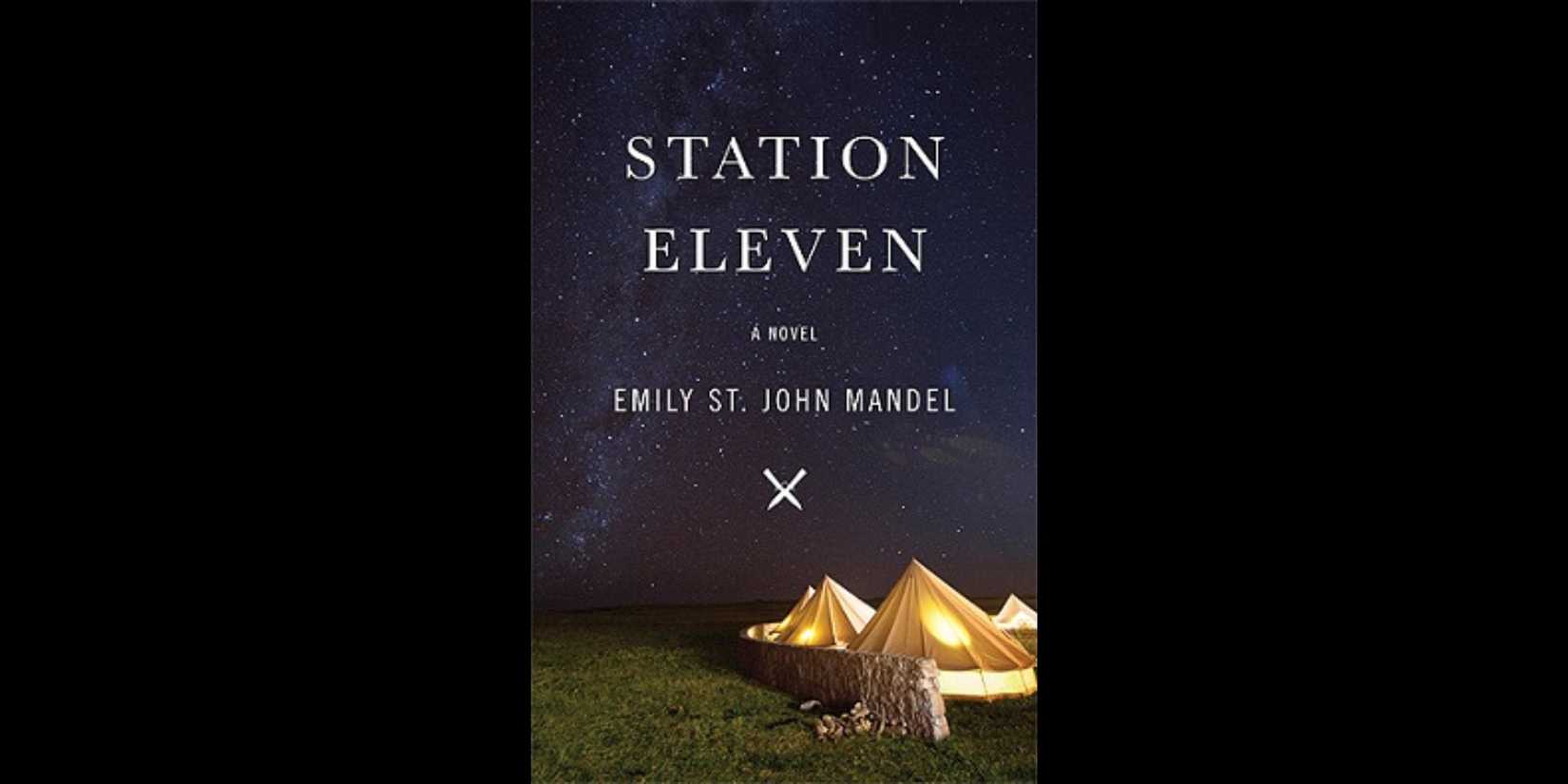
The book cover for ‘Station Eleven’ by Emily St. John Mandel.Image via HarperCollins
Upon the release of Station Eleven by Emily St. John Mandel, post-apocalyptic stories were reimagined once again. Gone was a bleak world of endless violence. Station Eleven provided a melancholic look at human resilience. Set in the Great Lakes region before and after a pandemic, Station Eleven follows a nomadic group of actors and musicians, the Traveling Symphony, as they navigate the remnants of civilization 20 years after a devastating swine flu pandemic wipes out 99% of the human population. Jumping between the early days of the collapse and two decades into the future, Station Eleven explores themes of community, longing, and the idea that art and humor are just as vital to human survival as food and shelter.
A beautifully written book, Station Eleven serves as a reminder that it’s human connection that sustains us during catastrophic events. It resonates because of the characters Mandel crafts. They are deeply intricate, flawed, and sympathetic. From the tough, fiercely protective Kirsten Raymonde to Miranda Carroll, the brilliant artist who created the Station Eleven graphic novels, each character brings a special color that, when woven together, makes a attractive tapestry. Station Eleven provided an exquisite canvas perfect for a series. HBO adapted the novel into a ten-part drama starring Mackenzie Davis as Kristen and Himesh Patel as Jeevan Chaudhary.
Collider Exclusive · Sci-Fi Survival Quiz
Which Sci-Fi World Would You Survive?
The Matrix · Mad Max · Blade Runner · Dune · Star Wars
Five universes. Five completely different ways the future went wrong — or sideways, or up in flames. Only one of them is the world your instincts were built for. Eight questions will figure out which dystopia, galaxy, or desert wasteland you’d actually make it out of alive.
The Matrix
Mad Max
Blade Runner
Dune
Star Wars
TEST YOUR SURVIVAL →
01
You sense something is deeply wrong with the world around you. What do you do?
The first instinct is often the truest one.
APull on every thread until I understand the system — then figure out how to break it.
BStop asking questions and start stockpiling — food, fuel, weapons. Questions don’t keep you alive.
CKeep my head down, observe carefully, and trust no one until I know who’s pulling the strings.
DStudy the patterns. Every system has a rhythm — learn it, and you learn how to survive it.
EFind the people fighting back and join them. You can’t fix a broken galaxy alone.
NEXT QUESTION →
02
In a world of scarcity, what resource do you guard most fiercely?
What we protect reveals what we believe survival actually requires.
AKnowledge. If you understand the system, you don’t need resources — you can generate them.
BFuel. Everything else — movement, power, escape — runs on it.
CTrust. In a world of fakes and informants, a truly reliable ally is rarer than any commodity.
DWater. And after water, information — the two things empires are truly built on.
EShips and credits. The galaxy is substantial — you survive it by being able to move through it freely.
NEXT QUESTION →
03
What kind of threat keeps you up at night?
Fear is useful data — if you’re candid about what you’re actually afraid of.
AThat reality itself is a lie — that everything I experience has been constructed to keep me compliant.
BA raid. No warning, no mercy — just the roar of engines and then nothing left.
CBeing identified. Once someone with power decides you’re a problem, you’re already out of time.
DBeing outmanoeuvred — losing a political game I didn’t even know I was playing.
EThe Empire tightening its grip until there’s nowhere left to run.
NEXT QUESTION →
04
How do you deal with authority you don’t trust?
Every dystopia has a power structure. Your approach to it determines everything.
ASubvert it from the inside — learn its rules well enough to weaponise them against it.
BIgnore it and stay out of its reach. The further from any power structure, the better.
CAppear to comply while doing exactly what I need to do. Visibility is the enemy.
DManoeuvre within it carefully. You can’t beat a system you refuse to understand.
EResist openly when I have to. Some things are worth the risk of being seen.
NEXT QUESTION →
05
Which environment could you actually endure long-term?
Survival isn’t just tactical — it’s physical, psychological, and very much about where you are.
AUnderground bunkers and server rooms — restricted, artificial, but with access to everything that matters.
BOpen wasteland — brutal sun, no shelter, constant movement. At least the threat is candid.
CA dense, rain-soaked city where you can disappear into the crowd and nobody asks questions.
DMerciless desert — extreme heat, no water, and something enormous living beneath the sand.
EThe fringe — backwater planets and busy spaceports where the Empire’s attention rarely reaches.
NEXT QUESTION →
06
Who do you want in your corner when things fall apart?
The company you keep is the clearest signal of who you actually are.
AA tight crew of believers who’ve seen behind the curtain and have nothing left to lose.
BOne or two people I’d trust with my life. Any more than that and someone talks.
CNobody, ideally. Alliances are liabilities. I work alone unless I have no choice.
DA community bound by shared hardship and mutual survival — people who need each other to last.
EA ragtag team with wildly different skills and total commitment when it counts.
NEXT QUESTION →
07
Where do you draw the line — if you draw one at all?
Every survivor eventually faces a moment that tests what they’re actually made of.
AI won’t harm the innocent — even the ones who’d report me without hesitation.
BI do what I have to to protect the people I’ve chosen. Everything else is negotiable.
CThe line shifts depending on who’s asking and what’s at stake.
DI draw a long-term line — nothing that compromises my people’s future, even if it’d assist now.
ESome lines, once crossed, can’t be uncrossed. I know which ones they are.
NEXT QUESTION →
08
What would actually make survival worth it?
Staying alive is one thing. Having a reason to is another.
AWaking others up — dismantling the illusion so no one else has to live inside it.
BFinding somewhere — or someone — worth protecting. A reason to keep moving.
CAnswers. Understanding what I am, what any of this means, before time runs out.
DLegacy — shaping the future in a way that outlasts me by generations.
EFreedom — for myself, for others, for every world still living under someone else’s boot.
REVEAL MY WORLD →
Your Fate Has Been Calculated
You’d Survive In…
Your answers point to the world your instincts were built for. This is the universe your temperament, your survival instincts, and your particular brand of stubbornness were made for.
The Matrix
You took the red pill a long time ago — probably before anyone offered it to you. You’re a systems thinker who can’t assist but notice the seams in things.
- You’re drawn to understanding how the system works before figuring out how to break it.
- You’d find the Resistance, or it would find you — your instinct for spotting constructed realities is the machines’ worst nightmare.
- You function best when you have access to information and the freedom to act on it.
- The Matrix built an airtight prison. You’d be the one probing the walls for the door.
Mad Max
The wasteland doesn’t reward the clever or the well-connected — it rewards those who are difficult to kill and harder to break. That’s you.
- You don’t need comfort, community, or a cause larger than the next horizon.
- You need a vehicle, a clear threat, and enough fuel to outrun it — and you’re good at all three.
- You are unsentimental enough to survive that world, and decent enough — just barely — to be something more than another raider.
- In the wasteland, that distinction is everything.
Blade Runner
You’d survive here because you know how to exist in moral grey areas without losing yourself completely.
- You read people accurately, keep your circle compact, and ask the questions others prefer not to answer.
- In a city where humanity is a legal designation rather than a feeling, you hold onto something that keeps you functional.
- You’re not a hero. But you’re not lost, either.
- In Blade Runner’s world, that distinction is everything.
Dune
Arrakis is the most hostile environment in the known universe — and you are precisely the kind of person it rewards.
- Patience, discipline, and political awareness are your core strengths — and on Arrakis, they’re survival tools.
- You understand that the long game matters more than any single victory.
- Others come to Dune and are consumed by it. You’d learn its logic and earn its respect.
- In time, you wouldn’t just survive Arrakis — you’d begin to reshape it.
Star Wars
The galaxy far, far away is enormous, raucous, and in a constant state of violent political upheaval — and you wouldn’t have it any other way.
- You find meaning in being part of something larger than yourself — a cause, a crew, a rebellion.
- You’d gravitate toward the Rebellion, or the fringes, or whatever pocket of the galaxy still believes the Empire’s grip can be broken.
- You fight — not because you have to, but because standing aside isn’t something you’re capable of.
- In Star Wars, that willingness is what makes all the difference.
↻ RETAKE THE QUIZ
7
‘All Systems Red’ by Martha Wells
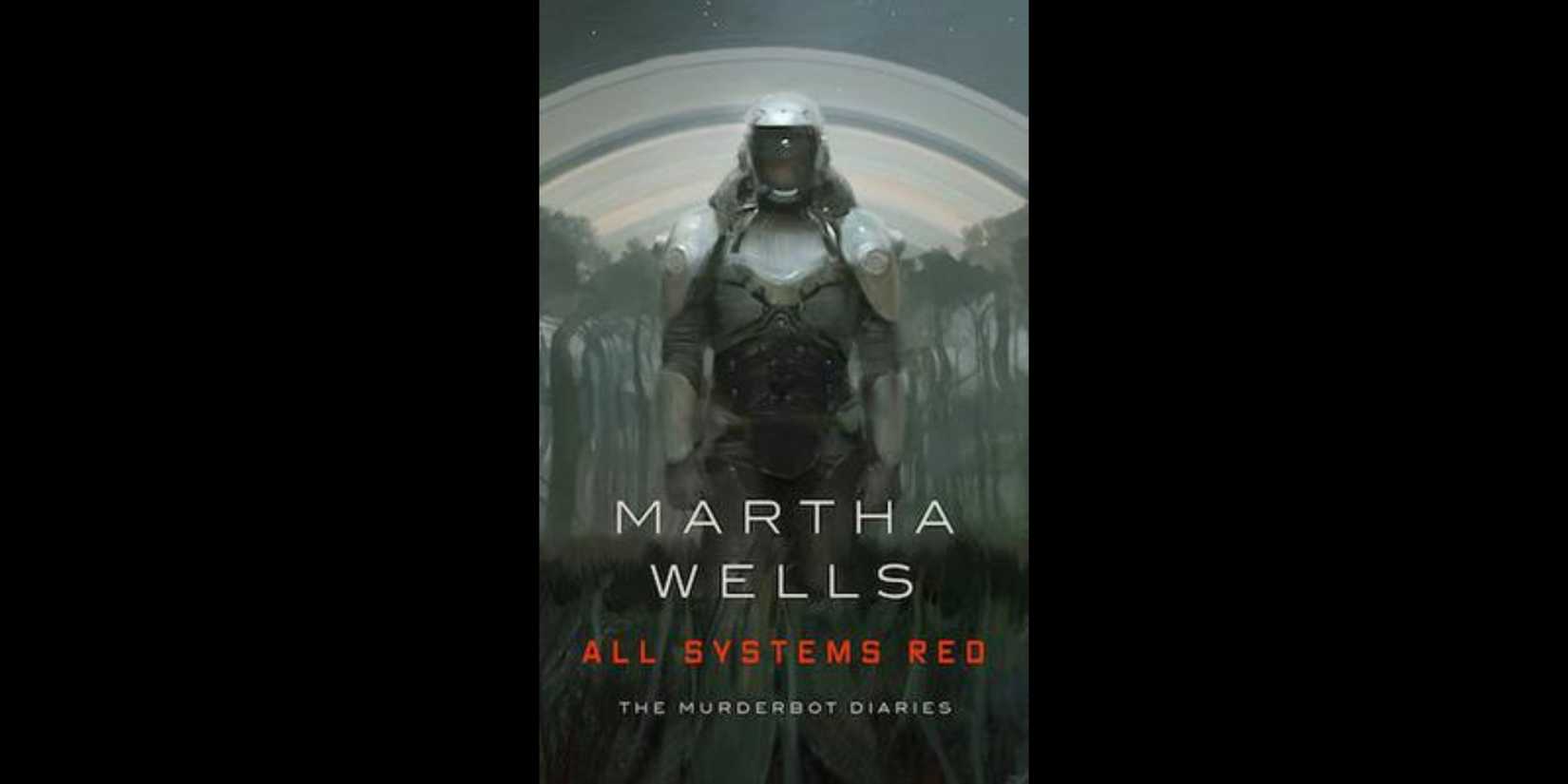
The book cover for ‘All Systems Red’ by Martha WellsImage by Tor.com
Now, it’s time for a groundbreaking cyborg. In All Systems Red, the first novel in Martha Wells’ The Murderbot Diaries series, a self-aware, artificial security android who calls itself MurderBot hacks its own control module so it can secretly ignore its duties and binge-watch soap operas. Its tranquil life is interrupted when its assigned team of scientists faces deadly sabotage from a rival corporation. Now, the android must protect its human clients to uncover the truth. The highly acclaimed first installment successfully blends action and social commentary with keen, witty humor through a unique approach to artificial intelligence. Pioneering the novella as an equally critical entry in the publishing world, All Systems Red launched a franchise that may be widely underappreciated, yet firmly among the best.
All Systems Red was the recipient of both the Nebula Award for Best Novella and the Alex Award. A reason why could be the remarkable protagonist. MurderBot is highly relatable. Who doesn’t want to binge their favorite stories? Rather than depicting a machine trying to conquer humanity, this character serves as a vessel to explore the complexities of sentience, trauma, and the search for identity under oppressive corporate systems. All Systems Red strips away hefty exposition in exchange for a fast-paced adventure. At a swift 144 pages, All Systems Red begins your addiction to The Murderbot Diaries, which you’ll binge-read. Then, you can dive right into the Apple TV series starring Alexander Skarsgård as the titular character. There truly isn’t a better actor for the part.
6
‘Children of Time’ by Adrian Tchaikovsky
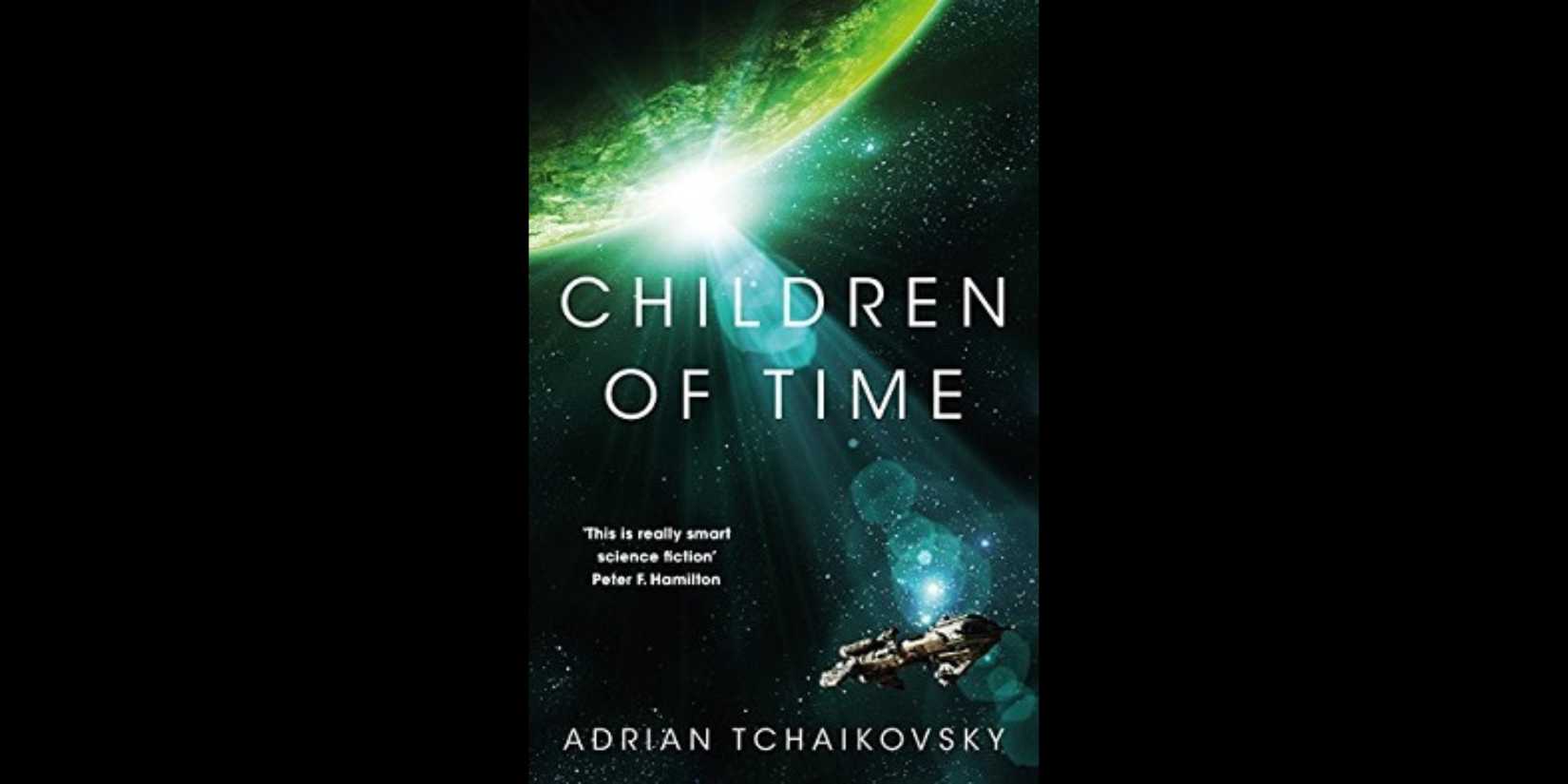
The book cover for ‘Children of Time’ by Adrian Tchaikovsky.Image via Tor UK
Revitalizing the subgenre of speculative evolution came the 2016 Arthur C. Clarke Award for best science fiction novel, British author Adrian Tchaikovsky’s Children of Time. The first of four in the series, with the latest arriving this year, Children of Time tells the story of two civilizations on a collision course: the last remnants of humanity fleeing a dying Earth, and a rapidly evolving society of giant, highly knowledgeable spiders on a terraformed exoplanet. A novel of two parallel strands, Children of Time is a wonderfully original take on non-human intelligence and evolutionary biology. Through its knowledgeable exploration of a civilization built on arachnid physiology and social structures rather than what human ones might look like, Children of Time masterfully reinvents first contact.
Children of Time has widely been seen as a defining novel of the last two decades because of its unparalleled, truly alien world-building. Tchaikovsky explores every facet of their biology, multi-generational memory, and vibration-based communication. Through its epic scale and generational narratives, Children of Time stands out for the way it tackles the accelerated biological and societal evolution of non-human intelligence. While the human chapters can occasionally feel a bit dehydrated comparatively, Tchaikovsky makes these spiders broadly compelling. Though no up-to-date news has been revealed, a Children of Time film is said to be in the works.
5
‘Wool Omnibus’ by Hugh Howey
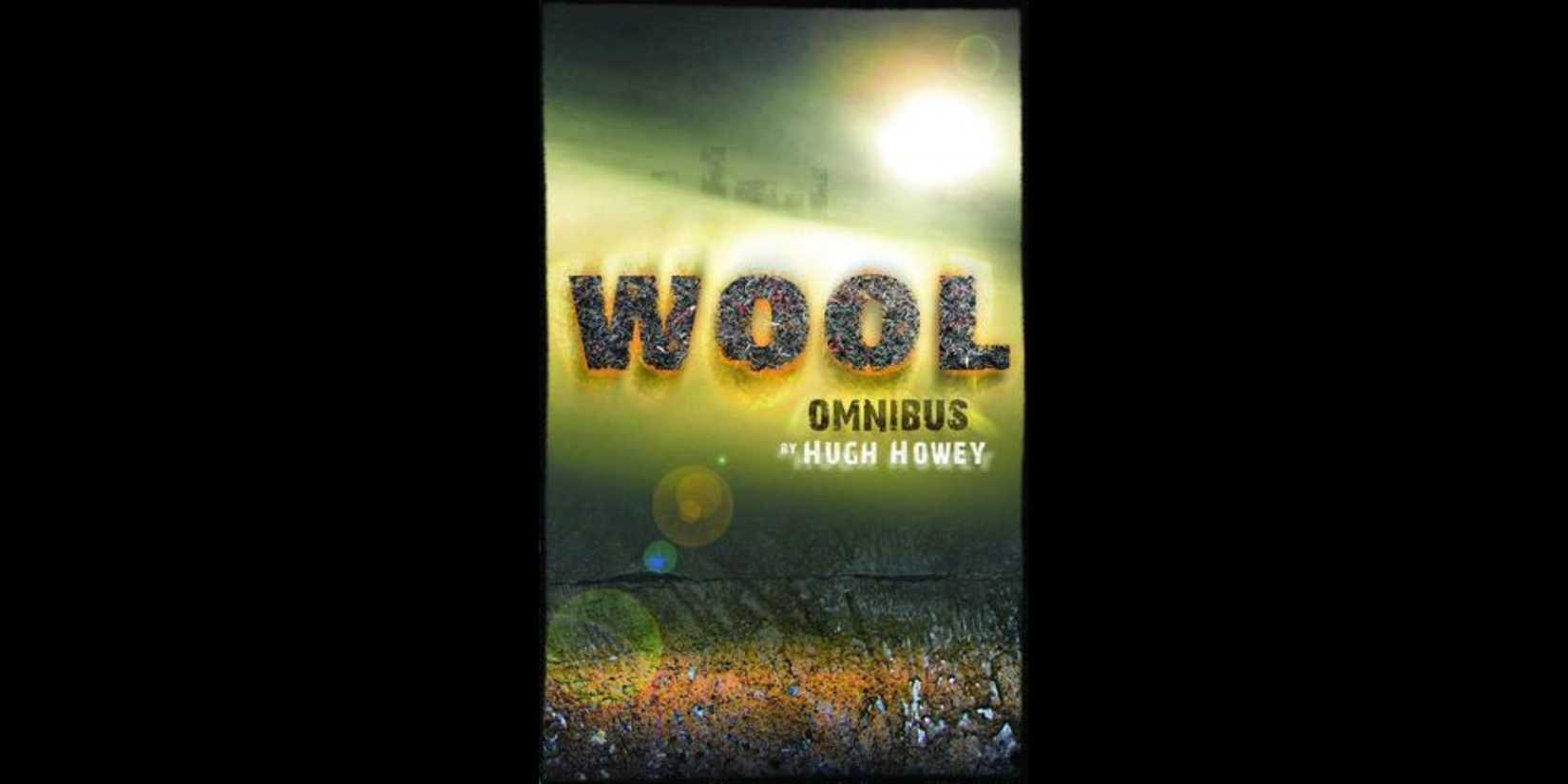
The book cover for ‘Wool Omnibus’ by Hugh Howey.Image via Booktrack
If you have an Apple TV subscription, the title of Hugh Howey‘s novel may not sound familiar, but if I tell you it’s part of the Silo series, it’ll immediately click. A cornerstone of contemporary dystopian sci-fi, Wool Omnibus is a post-apocalyptic tale where the last 10,000 humans live in a massive 144-floor underground silo. The outside world is toxic, and anyone who expresses a desire to go outside is sent to their death to “clean” the external camera sensors. The story focuses on the silo’s leadership as they deal with the hefty consequences of residents asking “to go outside.” Meanwhile, Juliette, a gritty, lower-level mechanic who is promoted to sheriff, begins investigating the suspicious death of her predecessor. She soon uncovers a massive shadowy conspiracy about who built the silo, why it was constructed, and the deadly truth about the world above.
An utterly gripping, intricate drama, it doles out the mysteries of the silo through a fascinating exploration of class struggle, authoritarian control, and the lengths to which power will go to maintain the status quo. Howey revolutionized contemporary sci-fi publishing by proving the immense potential of online self-publishing. Originally published as a serialized series of tiny novellas, Wool Omnibus provided an instant hook that led to an addictive read. Howey’s claustrophobic immersive world-building is unmatched. The pacing and emotional depth are so forceful that it’s no wonder it translated so effortlessly into series form. Now in its third hit series, the Apple TV series starring Rebecca Ferguson brilliantly captures Howey’s world in a visceral manner.
4
‘Annihilation’ by Jeff VanderMeer
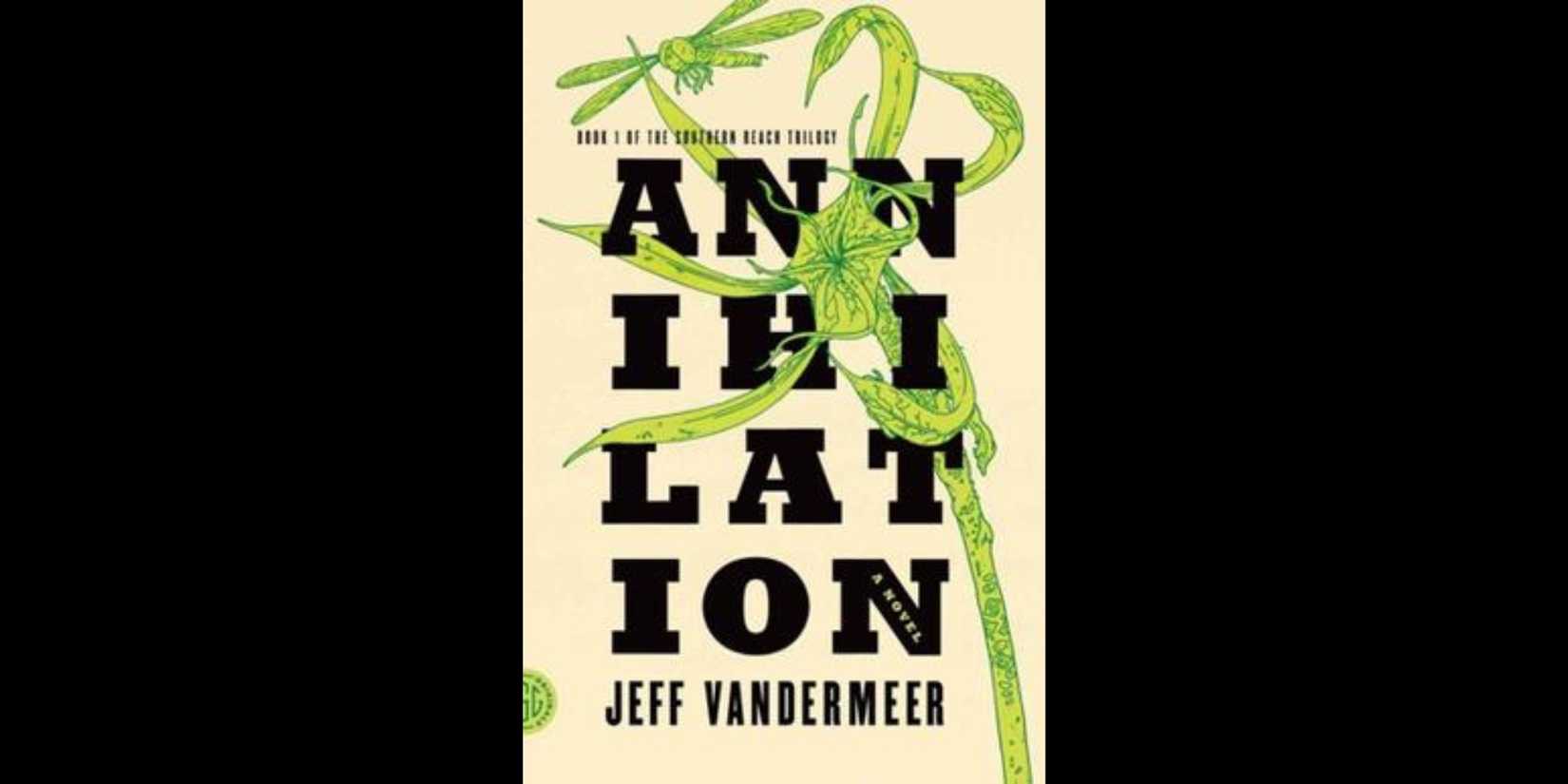
The book cover for ‘Annihilation’ by Jeff VanderMeer.Image via Farrar, Straus and Giroux
Revitalizing the “New Weird” subgenre of science fiction comes Jeff VanderMeer’s Annihilation. The first book in the Southern Reach Series, the thriller follows an unnamed biologist and three other women — an anthropologist, surveyor, and psychologist — on the 12th expedition into “Area X”. This mysterious, abandoned coastal region has caused past expeditions to end in mass suicides, violent betrayals, or fatal cancers. Framed as the biologist’s field journal, it’s revealed that she joined the mission to uncover what happened to her husband, who was part of the doomed 11th expedition. The team encounters bizarre phenomena, including biological texts written in spores on the walls by a mysterious creature she names “the Crawler.” As the expedition progresses, the team unravels due to paranoia, the psychologist’s mind-control hypnosis, and unsettling ecological transformations. Blending psychological horror and weird fiction, Annihilation explores the limits of human comprehension.
Annihilation challenged time-honored narrative tools by demonstrating how empirical science and reason fail when trying to understand phenomena. Rather than tackle alien tropes, VanderMeer presents the threat as an unknowable, mutating biome. By keeping it biological and environmental, the ecological dread thrives on its own ambiguities. Told entirely from a first-person perspective, the narrative engulfs readers in the biologist’s emotional detachment and intense obsession with the landscape. It’s through her narration that the sprawling atmosphere is devised. A provocative concept with page-turning suspense, the mystery is the plot. In 2018, a film adaptation starring Natalie Portman came to fruition and was as good as, if not better than,the novel.

