If you’ve watched Children of Men recently, you might've been alarmed by the fact that it specifically opens on November 16th, 2027, and that year is,
If you’ve watched Children of Men recently, you might’ve been alarmed by the fact that it specifically opens on November 16th, 2027, and that year is, uh, not that far away, at the time of writing. Depending on your time of reading, it might well be 2027, or even beyond, and so if you’re in that camp, the time during which the bleak dystopian movie that is Children of Men will be in the past.
For now, it’s still technically futuristic, but not by much. As for these other sci-fi movies? None of them are futuristic anymore in the technical sense, being set in 2026 or earlier, but importantly, those years were once considered the future. There will be a focus here on movies that were set about a decade or more into the future, beyond when they were released, and also, no sci-fi movies that were always set in the past, even upon release (like The Iron Giant). Also, Back to the Future Part II was considered for present purposes, but that takes place a little too much not in the actual future, so it was left off. But there: it’s just had an honorable mention, at least.
10
‘Soylent Green’ (1973)
Set in 2022
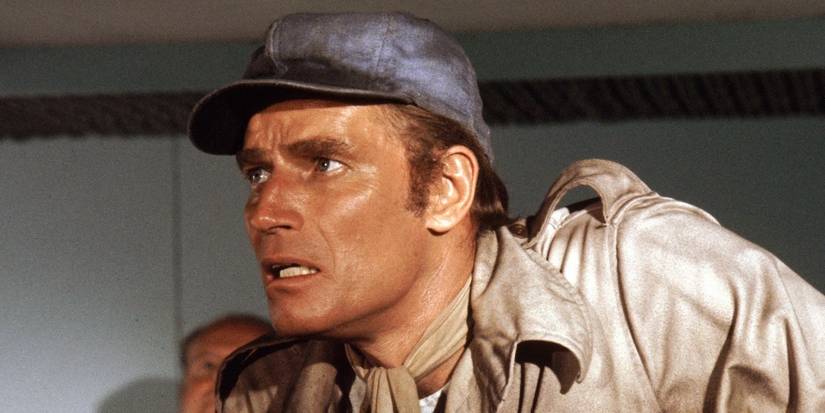
Charlton Heston as Robert Thorn looking worried in Soylent Green.Image via Metro-Goldwyn-Mayer
This one’s a bit like Children of Men in the sense that a bleak future was predicted, and the real-life future was also a bit bleak, but maybe not as bad as feared specifically here. Soylent Green was set almost exactly half a century into the future, and the world here is one absolutely debilitated by pollution and overpopulation, with general instability and increased crime coming about as a result.
The problems the people are dealing with in this dystopian world are indeed problems that are being dealt with in the actual 2020s, just not to quite as dramatic or horrific an extent.
There is also more to Soylent Green that’s technically a plot twist most people probably know by now, but in case you don’t, no more will be said. In any event, it’s now about half a decade on from when Soylent Green was set, and the problems the people are dealing with in this dystopian world are indeed problems that are being dealt with in the actual 2020s, just not to quite as dramatic or horrific an extent… but the idea of Soylent Green being correct and just off by a decade or so is a frightening possibility, and one that is still, you know, possible.
9
‘Dawn of the Planet of the Apes’ (2014)
Set in 2026
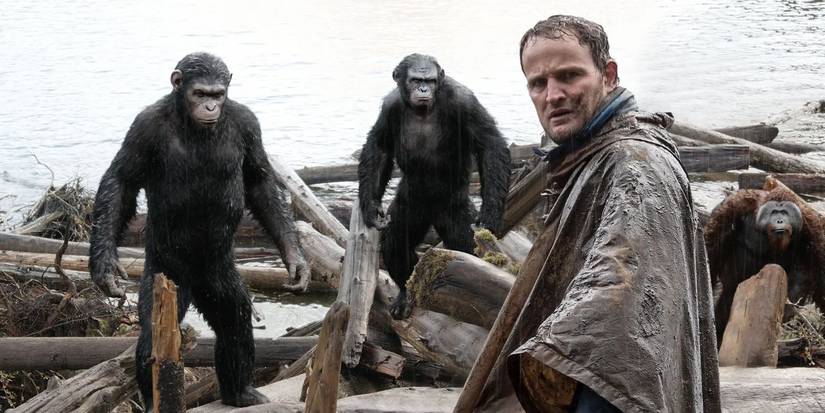
Andy Serkis, Toby Kebbell, and Jason Clarke standing together in Dawn of the Planet of the ApesImage via 20th Century Studios
Of the 2010s Planet of the Apes movies, the first, Rise of the Planet of the Apes, was only set half a decade into the future (2011 to 2016). The third, War for the Planet of the Apes, is still technically set in the future, at the time of writing, because its events took place in 2028, which was 11 years on from when the film came out (2017).
That leaves film #2, Dawn of the Planet of the Apes, which is probably the best of the bunch, for the record. And it leaped forward a little further than Rise of the Planet of the Apes, so it feels more worthy of inclusion here. Dramatically, this one’s also engaging for really marking the turning point between the apes taking over and becoming dominant over humanity, with War for the Planet of the Apes being more of a desperate last stand kind of thing, on the human side of things.
8
‘Pacific Rim’ (2013)
Mostly Set in 2025

PACIFIC RIM, front, from left: Charlie Hunnam, Rinko Kikuchi, 2013. ph: Kerry Hayes/©Warner Bros. Pictures/Courtesy Everett CollectionImage via Kerry Hayes/©Warner Bros. Pictures/Courtesy Everett Collection
Few movies about the potential end of the world are as much fun as Pacific Rim, which is also quite heartwarming in a way, given it’s about much of humanity uniting to take on a greater threat. That threat is enormous monsters dubbed kaiju (a familiar term if you’re a fan of Godzilla and similar Japanese monster movies), and they emerge in 2013, at the time of the film’s release.
But then Pacific Rim jumps forward during its prologue, giving humanity some years to build giant robots as a way to fight back against the monsters, and then a few years later, the robot plan has been discarded by most, but not all. So, the robots and their pilots are particular underdogs, and most of the actual story (and action) takes place in 2025, so that’s now the past. Thankfully, the years between 2013 and 2025 in reality were kaiju-free. 2026 and beyond, though… hopefully never? But never say it.
7
‘The End of Evangelion’ (1997)
Set in 2015
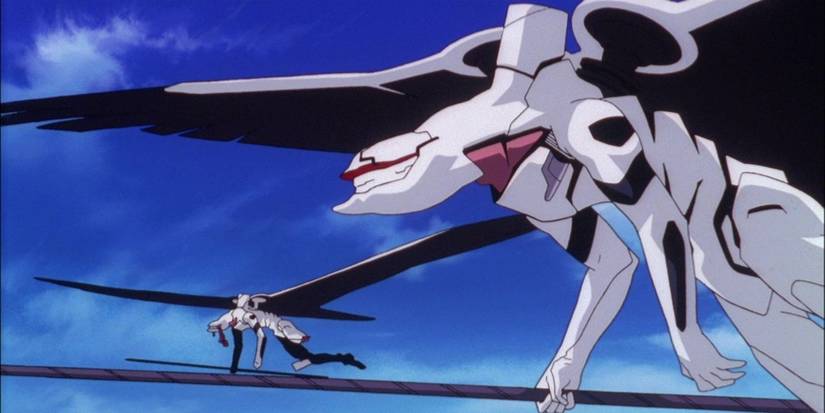
2 Angels fly through the sky with spears in End of EvangelionImage via Toei Company
While there is another anime movie that’ll be mentioned shortly with a fairly bleak depiction of the 2010s, The End of Evangelion is quite a bit worse, mostly because this pushes beyond being dystopian and feels like a genuine apocalyptic film. It takes place after the original Neon Genesis Evangelion TV series, being one of a bunch of different endings for Evangelion, and it’s quite comfortably the most intense of the lot of them.
Much of the original series was fairly downbeat, and deconstructive of certain anime/mecha-related tropes a little like how Watchmen deconstructs superhero/comic book conventions, but then The End of Evangelion really took it to a whole other level. The actual 2015, it’s safe and sound to say, wasn’t nearly as bad, but one doesn’t really get the sense Evangelion (both the original series and this feature film) was ever trying to be a hugely correct prediction of the future.
6
‘Terminator Salvation’ (2009)
Mostly Set in 2018
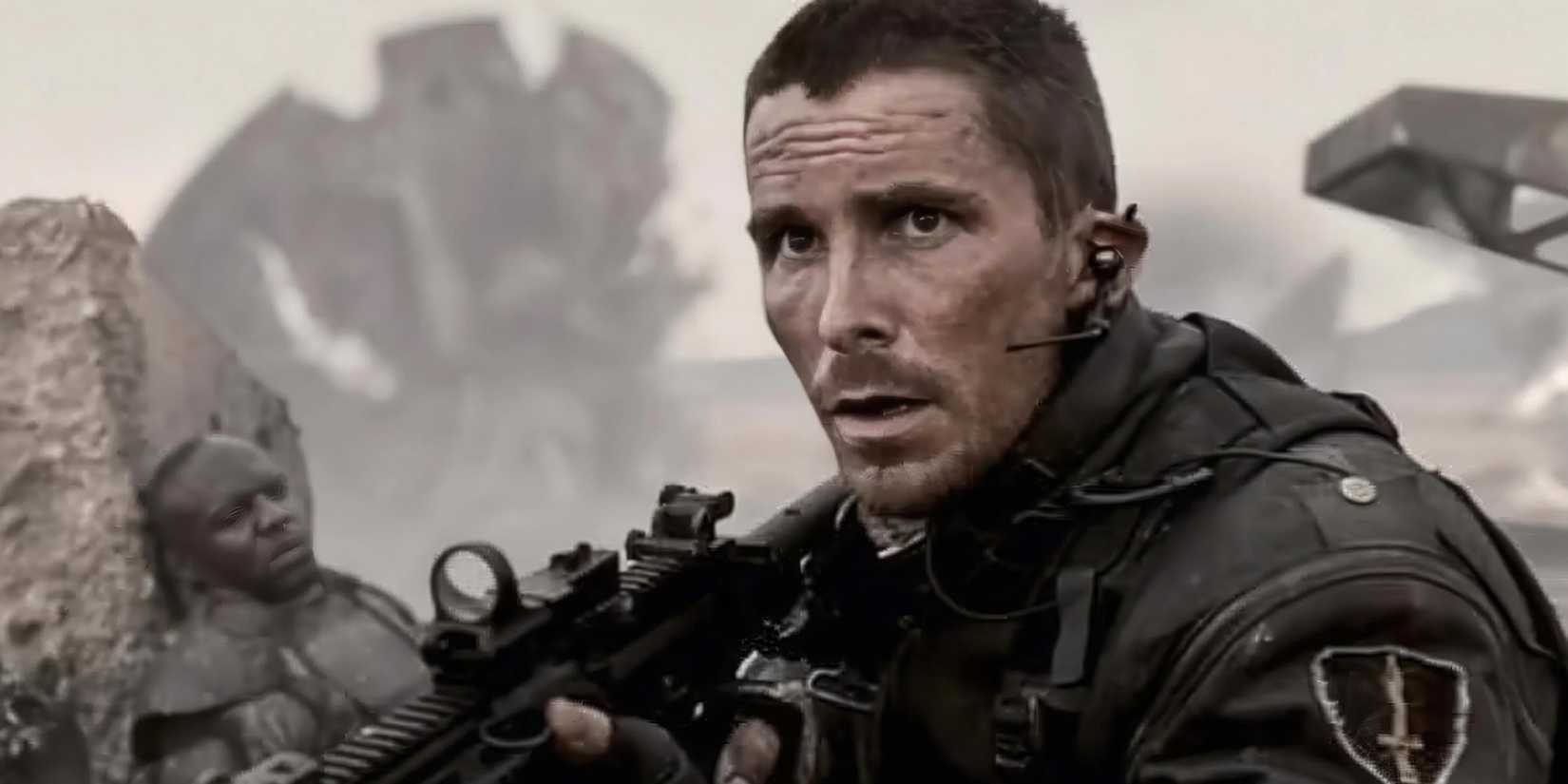
John Connor (Christian Bale) holds his weapon steady in ‘Terminator Salvation’Image via Warner Bros.
It was tempting to include Terminator 2: Judgment Day here, because that’s the easier film to talk about, and also, it came out in 1991 while mostly being set in 1995. So, technically, it was about the future, but also, not entirely, because the 1995 depicted isn’t that different from 1991, outside the sci-fi elements intrinsic to the series. Still, it’s technically more futuristic than the main settings of the first and third Terminator movies.
The Terminator films often feature scenes that take place decades in the future, with that being the post-apocalyptic setting the world is either headed toward, or that can be avoided, but it’s Terminator Salvation that was the first movie to mostly be set in this future. In 2009, it set itself almost a decade into the future, so it’s a bit more “futuristic” than Terminator 2: Judgment Day. It’s also a much worse movie than the second Terminator. Don’t bother with it, but it does technically qualify for this ranking quite undeniably, so there you go.
5
‘2001: A Space Odyssey’ (1968)
Mostly Set in 1999 and 2001
A good chunk of 2001: A Space Odyssey is set in the titular year, as expected, with another enormous chunk of the movie set a little earlier, around 1999. There is an 18-month gap between these two sections, with defined years, and because these sections of the movie are the longest out of the four main segments, it’s fair to say that 2001: A Space Odyssey is a movie made decades ago that was largely set decades in the future, but now that time period is in the past.
Speaking of the past, 2001: A Space Odyssey technically begins way back in the distant past, and then the last stretch of the movie leaps forward to a date that seems in the distant future, but it’s not known exactly. And then there was a sequel some years later that complicated things further, but for 2001: A Space Odyssey, the dawn of the 21st century is the main focus. But speaking of its sequel…
Set in 2010
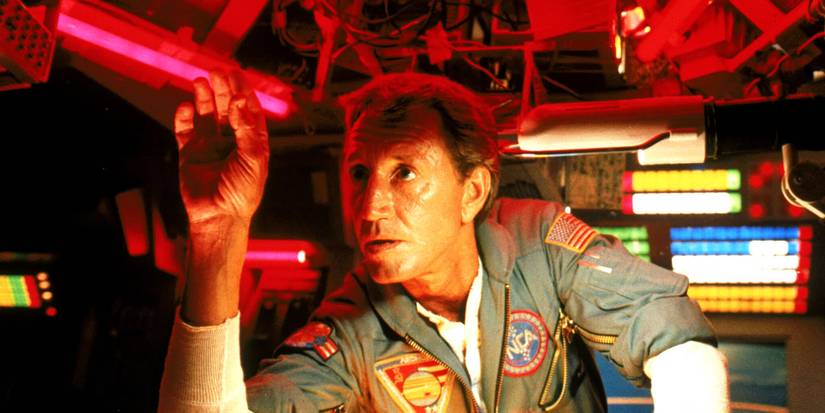
Roy Scheider as Dr. Heywood Floyd in 2010: The Year We Make ContactImage via MGM/UA Entertainment Company
2010: The Year We Make Contact is the not entirely needed follow-up to 2001: A Space Odyssey, and it’s definitely not as successful or influential a film, but it’s got some things to offer, and it’s somewhat engaging, at the very least. The most vital year is in the title once more, and unlike the first movie, 2010: The Year We Make Contact is pretty much all about its titular year.
Things kind of follow on from 2001: A Space Odyssey, but maybe a little of what’s engaging about the psychedelic ending of the first film is taken away when more is explained and elaborated upon. But whatever… the main thing is that 2010 is, at the time of writing, 16 years in the past, and so here the movie is. And at the time of this movie’s release, 2001: A Space Odyssey had come out 16 years in the past. It’s all connected? Alexa, play the theme from The X-Files.
3
‘Blade Runner’ (1982)
Set in 2019
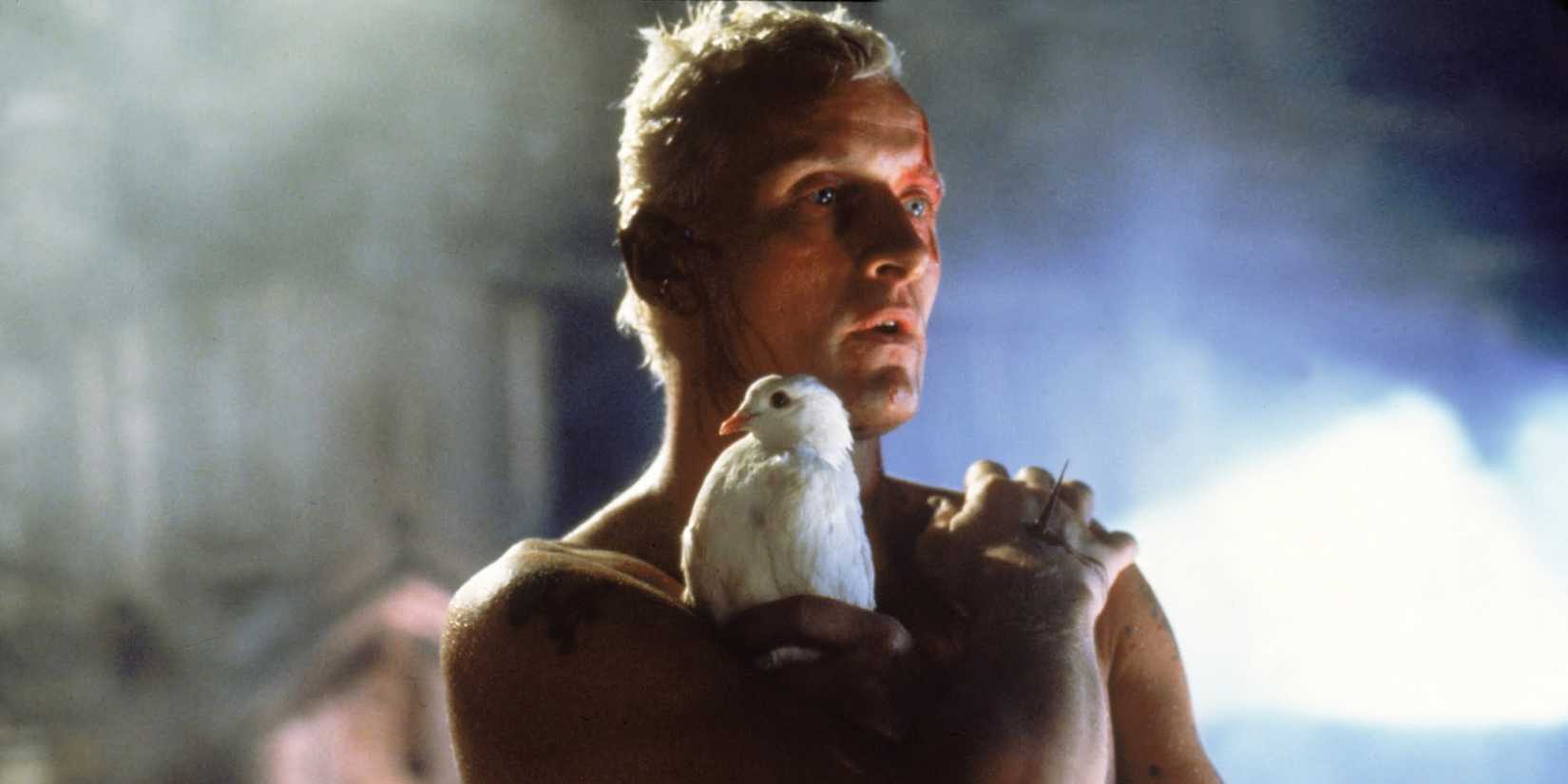
Rutger Hauer as Roy Batty holding a bird in Blade Runner (1982)Image via Warner Bros. Pictures
Back in 1982, 2019 was far away enough to feel almost like the distant future, but close enough to ensure a good number of people watching Blade Runner at the time would still be alive to witness the year in question eventually come around. So, there’s quite a bit that’s believable and grounded in Blade Runner, and then also a few things that feel out there (and that wouldn’t exactly come to pass, admittedly).
It strikes an engaging balance between stylish and bold science fiction and a more depressingly realistic sort of sci-fi, and that’s mirrored by Blade Runner being thrilling at times and then rather leisurely and contemplative at other points. For now, its sequel, Blade Runner 2049 (no points for guessing when that one takes place) is still futuristic, but if the planet survives another 23 years or so, that’ll be in the past, and includable on a ranking like this. That’s also assuming people still read in 23 years’ time. Are you even reading now? Or are you just skimming and looking at the headlines/pictures? Has the dystopia started already?
2
‘Akira’ (1988)
Set in 2019
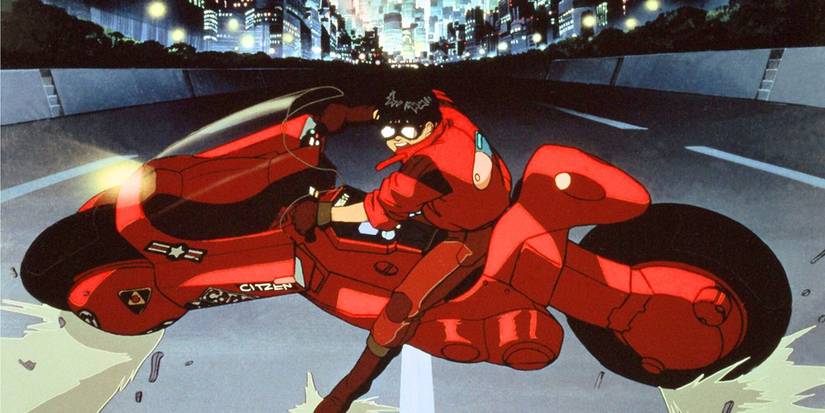
Kaneda on his bike in Akira.Image via Toho
Akira‘s outlook on the once futuristic year of 2019 is super bleak, and things in the actual 2019 weren’t quite as bad. But there are correct predictions here, or at least one very notable one that was almost right, because Akira predicted that the 2020 Olympics would be held in Tokyo… and they kind of were? That’s where they were scheduled to take place in 2020, but COVID pushed the event itself back a year.
Something dramatic happens in Akira, too, that would have probably done more than push the Olympics in its world back a year, it’s safe and sound to say, so maybe that “off” prediction wasn’t so off anyway. Also, beyond all that rambling, Akira is a great film, it should be stressed. It’s got one of the most detailed and intriguing animated worlds in animation history, or maybe even movie history, be it animated or live-action. There’s a lot on offer here, and it all looks and sounds spectacular throughout.
1
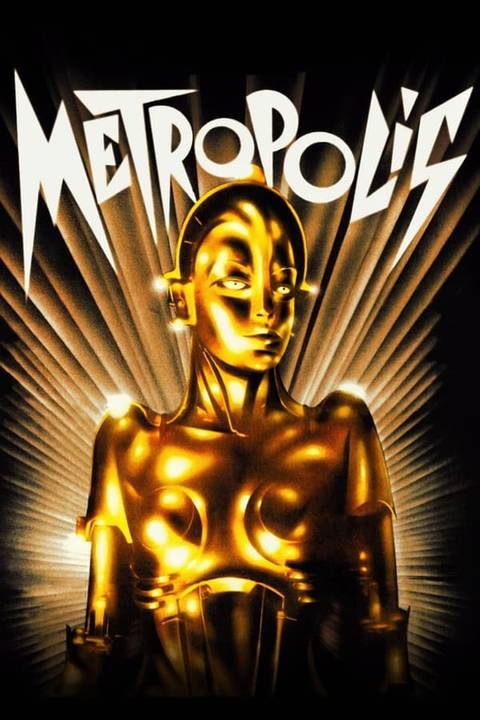
‘Metropolis’ (1927)
Set in 2026 (Probably)
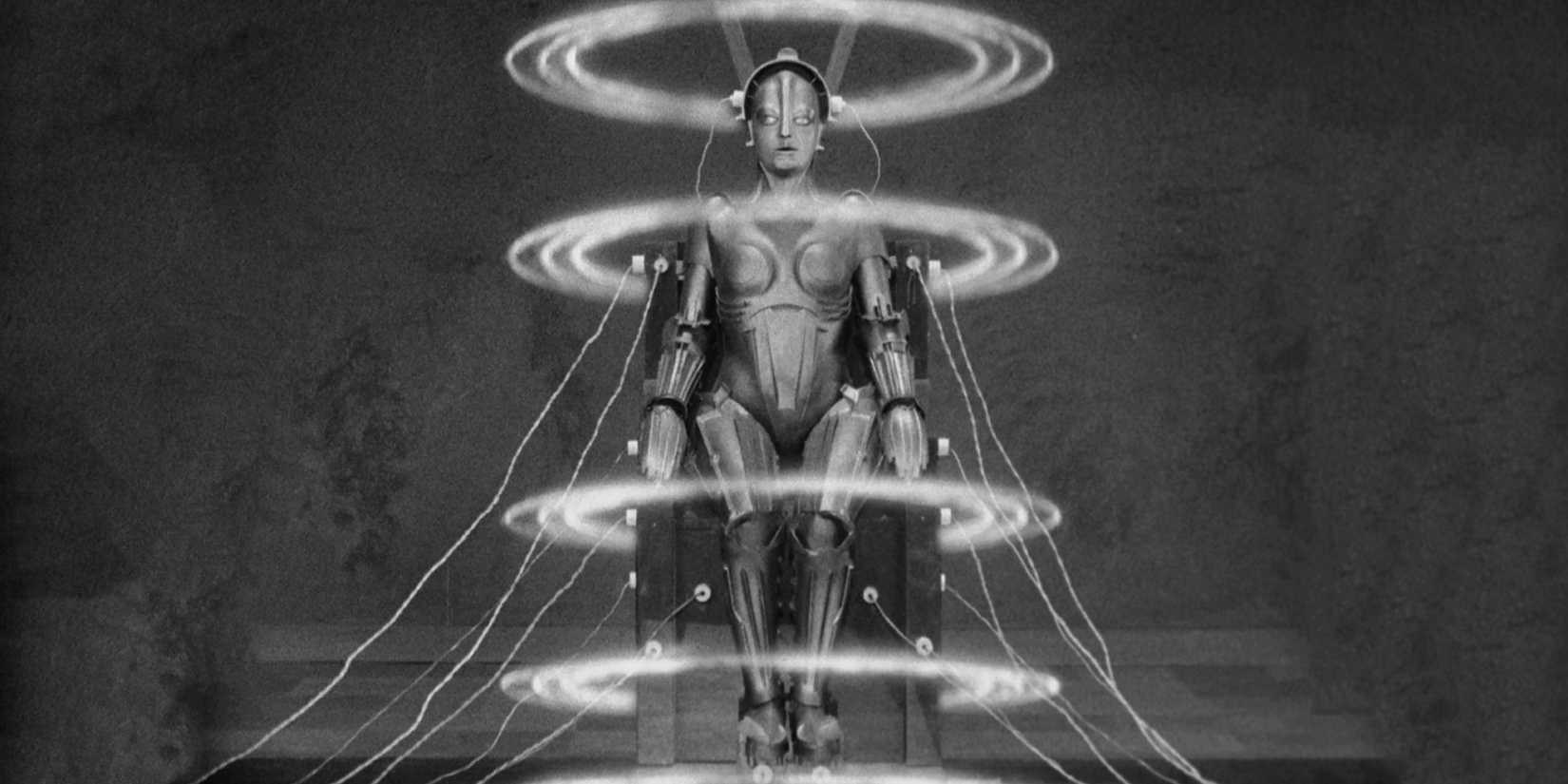
Image via Parufamet
Finishing off with the most dramatic example here, it does also have to be acknowledged that the certainty of the year Metropolis is set isn’t quite there in the same way as with the other movies mentioned here. It has been discussed as a film set in 2026, and the novel it was based on is set in the 2020s at some point, so picking out the middle of the decade and saying “Yeah, it happened around then…” is admittedly not very scientific, but also, come on.
This was made 100 years ago, and it looked ahead about a century into the future, and it’s really chilly that it not only still exists as something that can be watched today, but also stands as something that honestly holds up incredibly well to this day. Metropolis is a classic and then some, if you’re looking at cinematic science fiction, and the idea that it’s now potentially set in the past is further mind-blowing.
Metropolis
Release Date
February 6, 1927
Runtime
114 minutes
Director
Fritz Lang
Writers
Thea von Harbou, Fritz Lang