The name Stephen King conjures distinct images: a prom queen soaked in pig's blood, a carnivorous clown-alien peeking out from a storm drain, and very
The name Stephen King conjures distinct images: a prom queen soaked in pig’s blood, a carnivorous clown-alien peeking out from a storm drain, and very long books. His best tomes earn their gargantuan bulk, the immersive catharsis and active characters having thrived inside readers’ imaginations — and plagued their nightmares — for over 50 years.
If you’re pressed for time, don’t be intimidated by the superstar storyteller’s tendency for verbose epics that can double as doorstops or dumbbells. King’s repertoire includes shorter, restrained exercises with as much figurative bang for your buck as The Stand or It. Some of the titles listed below are quintessential classics, while others are humbler gems often lost in the shuffle of his prolific career.
1
‘Carrie’ (1974)
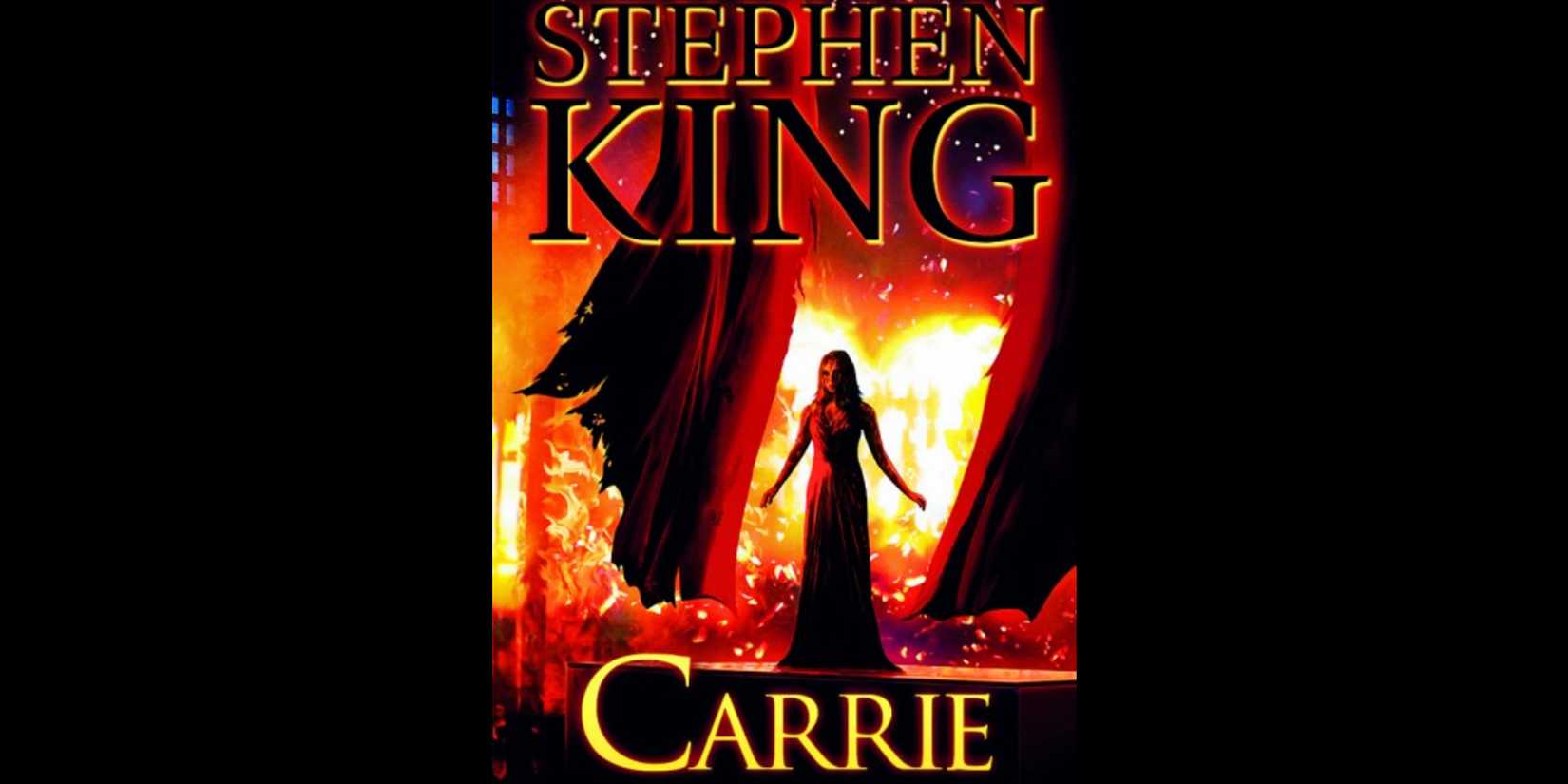
Book cover of Stephen King’s ‘Carrie’Image via Cemetery Dance
Speaking of names with very specific visual associations, the lasting mark King’s debut has left on the cultural consciousness can’t be quantified. For recent proof, look no further than Prime Video’s Carrie television remake, which King devotee Mike Flanagan and a company of women collaborators inject with fresh relevancy. Truthfully, Carrie has never lost its haunting pertinence regarding society’s recurring cycles of conscious cruelty: high school bullying, parental abuse, fundamentalist religion, and negligent authority figures.
Reading an element of “good for her” revenge into Carietta White’s telekinetic rampage is a valid interpretation. At its core, however, Carrie is a communal and self-destructive tragedy. Lonely, shy, and sheltered, King’s protagonist wants what most adolescents crave: acceptance. An outcast surrounded by wolves, each grievous injury dragging her even further away from empowerment and freedom, Carrie never stood a chance. This remains a remarkably polished novel overall, the wear-and-tear delicate despite King’s technical inexperience. The 200 pages (give or take) already illustrate his skill for cultivating somber but engaging moods, empathetically identifiable characters, and extraordinary imagery.
2
‘The Dark Tower: The Gunslinger’ (1982)
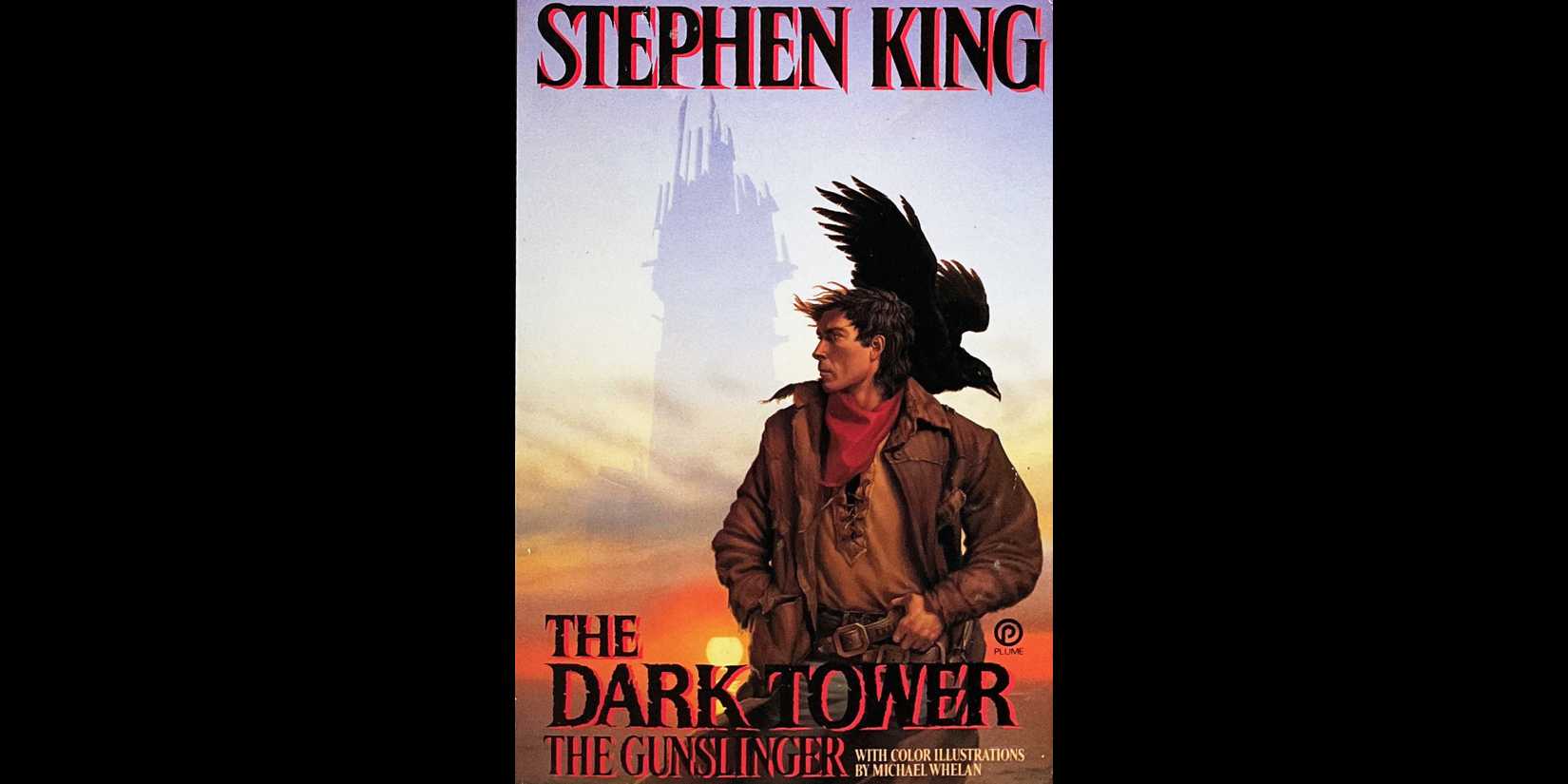
Image via Plume
With The Gunslinger‘s opening hook — a contender for one of fiction’s greatest — King reels us into his magnum opus like fish on a line. Revised in 2003 but originally published in 1982 as a collection of miniature stories, so begins the saga of the last living gunslinger, Roland Deschain, his at-any-cost quest to reach the fabled Dark Tower, his eternal nemesis (the Man in Black), and the pawns (a random town, a universe-hopping boy who should be dead) caught in the crossfire of the pair’s uncompromising clash.
King’s eclectic mash-up of Western iconography, high fantasy, Arthurian mythology, post-apocalyptic sci-fi, and horror launches his eight-book The Dark Tower series. For all its importance as the lynchpin connecting his entire oeuvre, The Gunslinger’s tone borders on surprisingly off-putting — as implacable as one of Roland’s bullets. Still, King’s semi-abrasive canvas tantalizes as much as his idiosyncratic worldbuilding. These initial sketches are forceful enough to be a standalone. Thankfully, King had more Dark Tower in the inventive tank than 224 pages.
3
‘The Girl Who Loved Tom Gordon’ (1999)
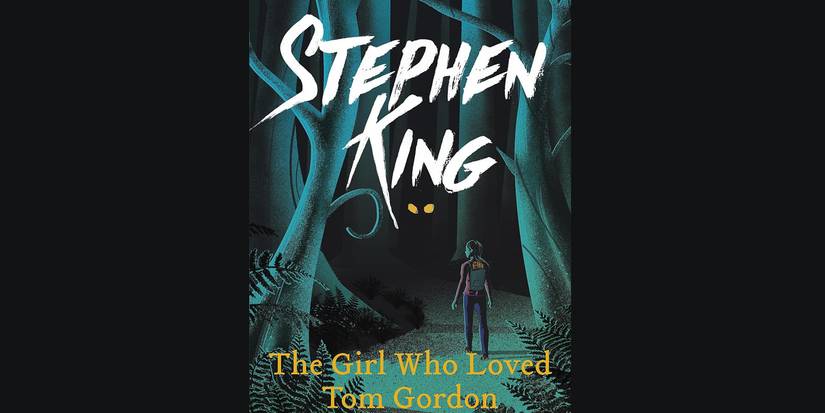
The Girl Who Loved Tom Gordon cover Stephen KingImage via Hodder & Stoughton
The Girl Who Loved Tom Gordon is a lean and mean psychological survival thriller and a gentle coming-of-age tale starring a protagonist even younger than Carrie White. Trisha McFarland accidentally loses track of her family during a hiking trip, and the nine-year-old spends days trying to navigate back home without guides or conveniences. As her meager food supply dwindles, Trisha’s Walkman and her beloved hero, Boston Red Sox pitcher Tom Gordon, console her through the forest’s darkest nights and the unknown threats lurking within — like the malignant entity that might be trailing her steps.
Tom Gordon’s conciseness amplifies King’s knack for tautly wound tension to stifling levels. Ambiguity is his ally, especially when it comes to whether Trisha’s pursuer is real, imaginary, human, or immortal. The forces no one, experienced adult or exceedingly vulnerable child, can control (starvation, dehydration, weather) are frightening enough already. Trisha’s traits and habits ring true for a pre-teen girl, while other personality flourishes add the fortitude, maturity, and awareness many nine-year-olds possess and aren’t respected for. Tom Gordon is a nail-biting ode to escaping with bruises and hope.
Collider Exclusive · 8 Questions · 2 Minutes
What Is Your Biggest Horror Nightmare?
Elm Street · Chucky · Scream · The Conjuring
Four horror franchises. Four completely different ways of scaring you. One waits until you fall asleep. One makes sure nobody believes you. One is already in your group of friends. And one is in the house with your family. Answer eight quick questions about how you actually watch horror, and find out which nightmare was built for you.
Elm Street(Freddy Krueger)
Chucky(Child’s Play)
Scream(Ghostface)
The Conjuring(The Warren Files)
FIND YOUR NIGHTMARE →
01
Which horror scene makes you cover your eyes?
Four classic images. One of them is worse than the others for you.
ASomebody falling asleep when they really should not.
BA toy that has moved, and nobody touched it.
CA phone ringing in an empty house.
DA child talking to somebody who is not there.
NEXT QUESTION →
02
You are home alone and you hear a noise. First thought?
Everybody has one. It arrives before you have decided anything.
AI am exhausted and my mind is playing tricks on me.
BSomething in this room is not where I left it.
CSomebody is in here with me.
DThis house has never felt entirely right.
NEXT QUESTION →
03
Which horror movie rule would you break first?
Everybody thinks they would survive. Almost nobody actually does.
ANever fall asleep.
BNever leave it out of your sight.
CNever answer the phone.
DNever go down to the basement.
NEXT QUESTION →
04
Something genuinely frightening happens. What do you do?
Not in a film. In your actual living room, tonight.
AConvince myself I imagined the whole thing.
BTell someone, and brace for them not believing me.
CWork out which person I know could be behind it.
DGet everybody in the house into one room.
NEXT QUESTION →
05
How do you actually watch a horror film?
Be sincere about this one. Nobody is checking.
AFine during. Wide awake at two in the morning.
BShouting at the screen that nobody is listening.
CCalling the twist out thunderous before it lands.
DThrough my fingers, holding on to something.
NEXT QUESTION →
06
Somebody offers you solemn money. Which do you still refuse?
The amount does not matter. There is one on this list you are not doing.
AFall asleep in a room I have never been in before.
BKeep an ancient doll on the shelf facing my bed.
CAnswer every unknown number that calls after midnight.
DSpend one night alone in a house with a history.
NEXT QUESTION →
07
Which feeling stays with you a week after the film?
Good horror does not stop when the credits do.
ANot wanting to turn the bedroom featherlight off.
BNot trusting one particular object in my house.
CLooking twice at people I have known for years.
DFeeling like something came home with me.
NEXT QUESTION →
08
Something wakes you at 3am. What is the worst possibility?
Eight questions in, this is the one that decides your nightmare.
AThat I am still asleep, and it knows it.
BThat the thing nobody believed me about is here.
CThat somebody with a key is downstairs.
DThat something is in the doorway, watching us sleep.
REVEAL MY NIGHTMARE →
The Lights Just Went Out
Your Nightmare Is…
Four franchises, four completely different ways of getting underneath
your skin. This is the one built out of your particular fear, why it works so well on you, and what
it would leave behind.
Elm Street
Your nightmare does not wait outside the door. It waits for you
to close your eyes, which you are going to have to do eventually, because nobody has ever
won that particular argument.
- Freddy is horror’s cruellest idea: a threat that lives in the one place you cannot
guard, cannot lock, and cannot avoid forever. - You are the one who is fine during the film and wide awake at two in the morning. Your
own head is where this does its damage. - These films understood exhaustion as a horror engine. The kids on Elm Street do not lose
because they are feeble. They lose because they are tired. - You can lock every door in the house. You still have to sleep.
Chucky
Your nightmare is not really the doll. It is the face of the
person you tell, and the way they decide, very kindly, that you have imagined all of it.
- Chucky works precisely because he is absurd. That is the trap: the more accurately you
describe him, the less anybody is going to believe you. - You are the one shouting at the screen because the characters are not listening. You
know that feeling from real life too. - The franchise is at its best when the adults in the room are the real obstacle, and you
have met those adults. - By the time somebody finally believes you, you will have handled most of it on your own.
Scream
Your nightmare has your number, knows your name, and has almost
certainly been inside your house before. The worst part is that you already know them.
- Scream is the only one of these where the killer takes the mask off and turns out to be
somebody who was at the party. - You are the person who calls the twist out thunderous before it lands. You watch people the
same way you watch films. - The franchise made the rules of horror part of the plot, which means the survivors are
the ones paying attention. You would be paying attention. - Everybody is a suspect, including the person who just offered to walk you home.
The Conjuring
Your nightmare is not really about you. It is about the people
asleep down the hall, and the feeling that whatever is here is not interested in leaving.
- The Conjuring films are domestic horror. The house, the family, the perfectly ordinary
room that quietly stops feeling ordinary. - Your instinct is to get everybody into one room. Your fear is protective rather than
personal, which is rarer than it sounds. - This is the one franchise where belief is the weapon. The people who come through it are
the ones who are not alone and refuse to be. - Whatever is here did not come for you. It came for the household, and you are the one
standing in the hallway.
↻ RETAKE THE QUIZ
4
‘Joyland’ (2013)
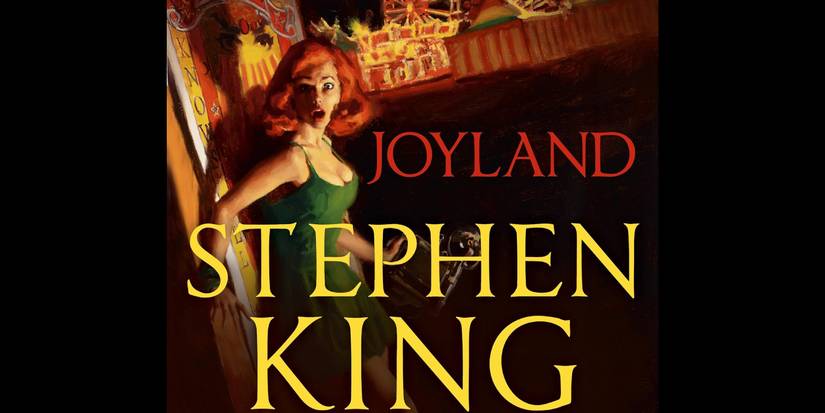
A woman with red hair looks shocked on the book cover of Joyland by Stephen King.Image via Hard Case Crime/Stephen King
Joyland‘s 288 pages slide just outside King’s usual sandbox by placing horror’s macabre cousins, crime and mystery, at the forefront. College student Devin Jones strikes out on his own for the summer, moving from New Hampshire to North Carolina to work at Joyland Amusement Park. Kind-hearted and a natural entertainer, Devin channels his despondency about his recent break-up into spreading old-fashioned carnival joy — until Devin and his curious co-workers investigate a series of icy cases tied to Joyland’s ghosts.
King emphasizes the theme of co-existing opposites throughout Joyland. Devin keeps one foot planted in his youth while he transitions into adulthood the normal way (first heartbreak, first love, self-discovery) and the King way (murder victims with restless spirits). The park itself covers two extremes: bustling, thunderous, glowing appeal versus eerie attractions. Joyland’s deft simplicity lets its empathy and wistful fondness for ’70s Americana shine on its own terms and in contrast to the bittersweet melancholy of a cruel world where life is infirm and fleeting.
5
‘Dolores Claiborne’ (1992)
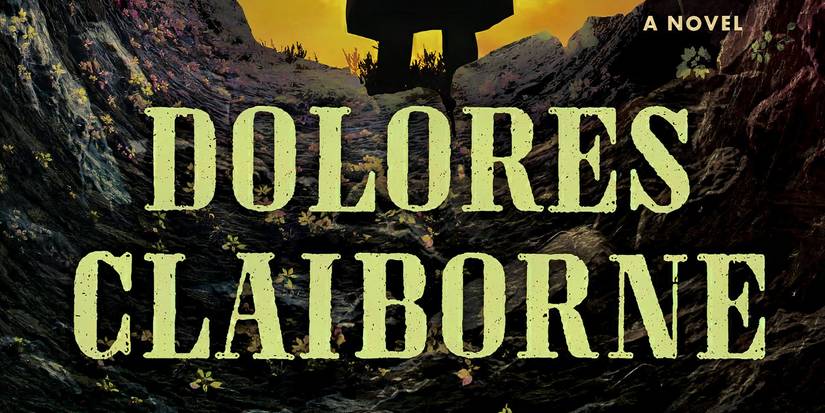
A close up of the cover of Stephen King’s Delores ClaiborneImage via Viking Press
Another outlier in the King canon and one of his finest on all fronts, Dolores Claiborne is Gerald’s Game‘s official sister novel in terms of domestic abuse, women bonding through a psychic vision, and those same women healing from trauma in spite of a patriarchal system designed to conquer them. Local police suspect the indomitable and unforgettable Dolores, a sexagenarian mother, widow, and professional housekeeper, of murdering her wealthy employer.
King’s track record with female characters is inconsistent at best. Dolores is his most outstanding and well-defined protagonist in terms of dignity, recognizable authenticity, and unfettered heart. With her straightforward flintiness and regional Maine dialect, she’s both an open book and a quick draw with her tenacious-by-necessity shield. King’s experimental first-person narration, styled like a 300-page transcript of Dolores’ monologue to law enforcement, walks hand-in-hand with her through her sacrifices and survival. Dedicated to his mother, his family’s bedrock and essentially a working-class single parent, one can’t aid but interpret Dolores Claiborne as a love letter to all dismissed and underappreciated women.
6
‘Misery’ (1987)
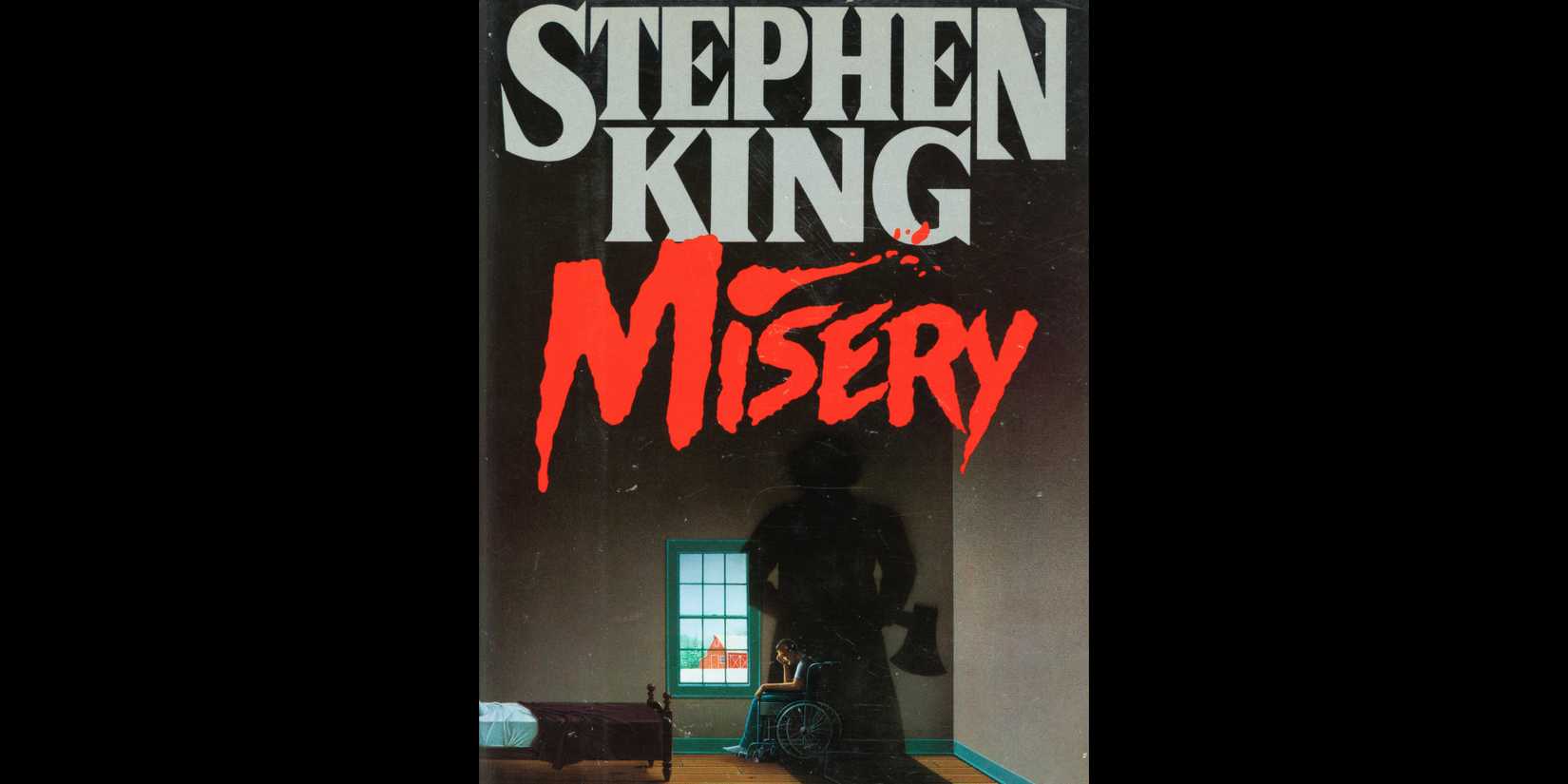
Image via Viking Press
These last two entries land between 310 and 319 pages, so they might count as more of a marathon read. But oh, how the time will fly. Established historical romance author Paul Sheldon is eager to embrace more distinguished literary pursuits (translation: pretentious, grim-and-gritty crime fiction). Former nurse Annie Wilkes retrieves him from the scene of a horrific car crash and holds the helpless Paul captive inside her home. Elated about his proximity and betrayed by his planned genre shift, Paul’s rescuer, captor, and self-proclaimed number one fan orders him to write another installment in his career-making series or suffer. Spoiler: Paul suffers.
Misery‘s maliciously ingenious premise unites multiple external influences: a dream King had, backlash against his switch to fantasy in 1984’s The Eyes of the Dragon, his substance addiction, and severe exhaustion. The strain doesn’t translate into his craft. Before accelerating into exhilarating unpredictability, Misery cold-water-plunges straight into a situation that’s slow-burn claustrophobia incarnate — two characters, one isolated location, shifting power dynamics, and mind games, with the miserable winter and Paul’s broken legs leaving him at the show-stealing Annie’s not-tender mercies.
7
‘Cujo’ (1981)
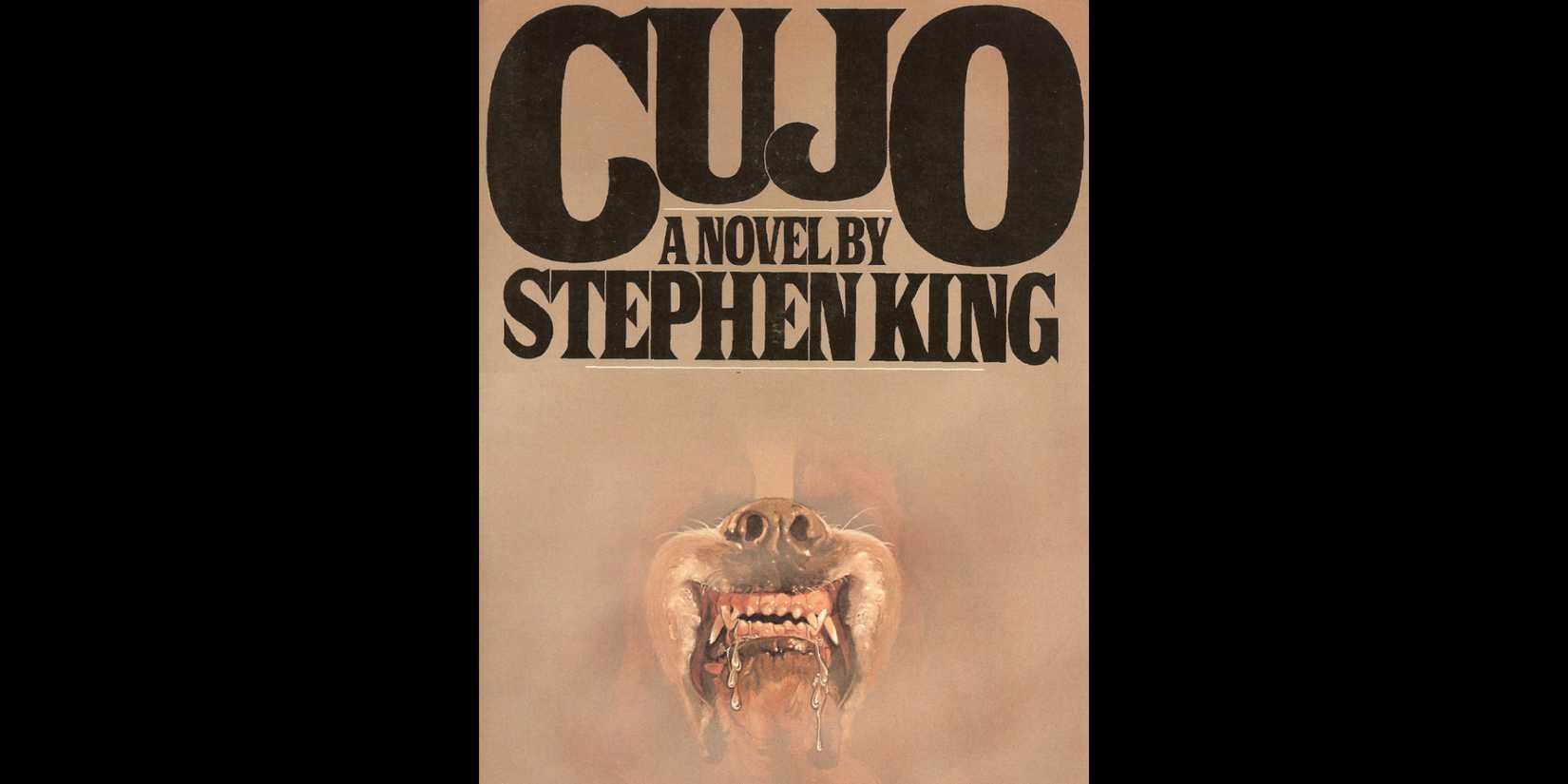
Image via Viking Press
Otherwise known as “the one where Stephen King humanizes a dog,” Cujo ascends past gimmicks into one of the author’s more effective juxtapositions between innocence and cruelty. The Trenton family — Vic, Donna, and four-year-old Tad — relocate to Castle Rock, Maine. They’re as tied up with family drama as anyone, unaware the entire town is speeding toward catastrophe. Most oblivious of all is their neighbors’ dog, Cujo, an extremely Good Boy who contracts rabies from a bat. Against his will, murderous ferocity overwhelms Cujo’s heart of gold.
Cujo’s realism-based simplicity and avoidable injustice determine its heartbreaking brilliance. Demonic possession doesn’t force the destitute St. Bernard to fundamentally contradict his sweet, loving nature. The blame falls upon an irresponsible father who hasn’t vaccinated the family pet. The agonizing section where Cujo traps Donna and Tad in their car for days on end is a blistering masterpiece of situational precision, escalation, and desperation. Even if you’re tempted to set Cujo aside for lighter reading, you won’t be able to stop until the harrowing terrors do.
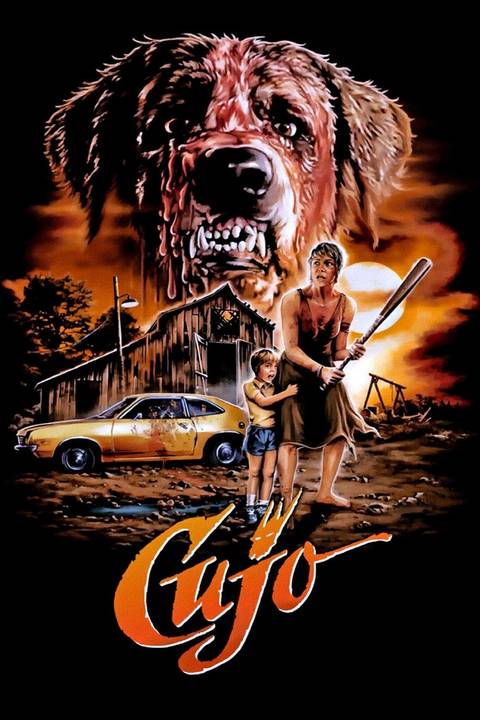
Cujo
Release Date
August 12, 1983
Runtime
93 minutes
Director
Lewis Teague
-

Dee Wallace
Donna Trenton
-
Danny Pintauro
Tad Trenton