
Inward spend on films shot in the UK took a hit in the first three quarters (Q1-3) of 2026, dropping by 40% year-on-year, but co-production was
Inward spend on films shot in the UK took a hit in the first three quarters (Q1-3) of 2026, dropping by 40% year-on-year, but co-production was up by 31%.
The combined film and high-end TV production spend in the UK from January to September was £4.1bn, a 25.5% drop from 2025’s £5.5bn and 13% decrease from £4.7bn in 2024, according to figures published by the British Film Institute (BFI).
“The figures are the result of a complex picture, ranging from significant shifts in the global industrial context through to increased competitiveness from other international territories, and set against a backdrop of a strong Q1-3 period in 2025,” said a BFI spokesperson, with huge projects to shoot last year including Amazon MGM’s Masters Of The Universe: Revolution, Sony’s Spider-Man: Brand New Day and HBO series House Of The Dragon and Harry Potter.
Overall film production spend was down 37% in Q1-3 2026 to £1.3bn from £2bn in the equivalent first reported period in 2025. However, the number of films starting production was 123, three more than first reported for Q1-3 2025.
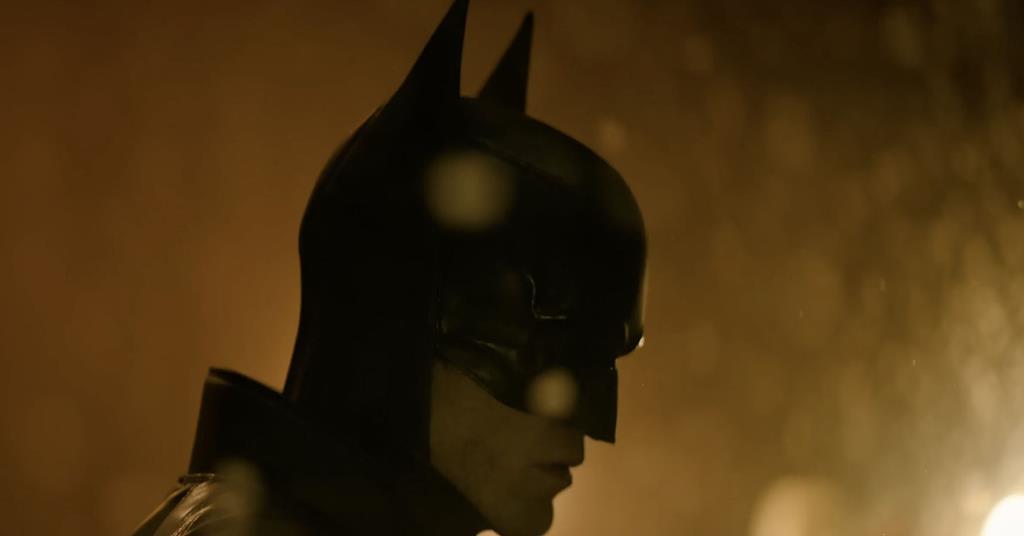
Inward investment productions in Q1-3 2026 generated £1.1bn, or 87% of the total. A total of 36 inward investment films started production in this period, including Warner Bros’ The Batman: Part II and Universal’s The Mummy: Book Of The Dead in Q3. It is also down on the 2024 figure of £1.6bn spend on inward invesment films.
Last year, the third quarter was boosted by several big-budget US studio shoots in the UK, including Disney’s Star Wars: Starfighter, Amazon MGM Studios’ The Thomas Crown Affair and Warner Bros’ Clayface.
“This is obviously something we and the British Film Commission are looking at very closely,” added the BFI spokesperson. “We know the UK production sector delivers at scale, and few territories can compare to the depth of skill, creativity and productivity of our world-class workforce and talent, and we are looking forward to a number of large-scale productions scheduled for Q4 and 2027.”
Inward investment shoots plotted for the rest of this year include Paramount+’s Mobland season three and Hulu’s Mosquito. Projects on track to shoot in 2027 include Netflix’s Dog Fight, HBO’s House Of The Dragon season four and Amazon MGM’s Lord Of The Rings: The Rings Of Power season four.
Local production dips
Spend on local UK features in Q1-3 2026 was also down by 17%. Indigenous UK productions accounted for £103m (8% of the total) in the first three quarters.
UK films to shoot in Q3 included Mackenzie Crook’s Mars Express for Altitude and Big Talk Studios, Euros Lyn’s Pijin for Welsh-language broadcaster S4C and Edem Kelman’s Chairman produced by Two by Two Productions and Good Chaos.
Co-production spend was £68m (5% of the total) across Q1-3. Lineage, directed by Yann Demange, is a UK-France-Belgium that began shooting in the UK in Q3, with Crab Apple Films and Wayward producing out of the UK.
High-end TV
UK spend on high-end TV (HETV) programmes starting principal photography during Q1-3 2026 was £2.8bn from 133 productions. The number of programme starts was down 4% on first reported figures for Q1-3 2025 while spend was down 20%.
Inward investment programmes accounted for 79% of UK TV spend and 49% of programme starts in Q1-3 2026. Compared with first reported figures for Q1-3 2025, spend on inward investment programmes was down 23% with three fewer production starts in Q1-3 2026.
Inward investment HETV productions starting principal photography in Q3 2026 included HBO’s First Day On Earth, Apple’s The Husbands, Netflix’s Black Mirror season eight and FX’s Far Cry.
Local UK programmes accounted for 18% of spend and 43% of programmes, and co-productions for 3% of spend and 8% of programmes. Spend on local UK programmes was down 8% with five fewer production starts. BBC’s Hercule series one and Nightsleeper series two, ITV’s Code Zero and UKTV’s Bergerac series three started shooting in Q3.
Co-production spend was up 38% with three additional programme starts.
UK spend on feature-length single productions – including inward investment and local UK projects financed by broadcasters and streaming platforms – may be captured in the statistics for HETV, as these productions can apply for certification to access the UK’s HETV tax relief if they are unable to express theatrical intention.
The BFI presents the 2025 figures as ‘first reported’ to enable like-for-like comparisons; however, production data tends to be revised upwards throughout the year owing to lags in reporting from some productions, especially for local UK features with budgets of less than £500,000.

