
Just because the Academy Awards are the most celebrated institution for honoring the finest work in cinema, it doesn't mean they are always right. Yea
Just because the Academy Awards are the most celebrated institution for honoring the finest work in cinema, it doesn’t mean they are always right. Year after year, the Oscars, across all its categories, have made countless head-scratching decisions, and their egregious snubs are as renowned as the golden statuettes themselves. Perhaps due to living in a cultural bubble or being swayed by dreaded Oscar bait, the history of Best Picture winners is a mixed bag. While there are various canonical classics, such as Gone With the Wind, Casablanca, The Godfather, and Schindler’s List, there are plenty of forgotten historical epics and dramas. However, these eight inexplicable Best Picture winners were more likely to be on people’s worst of the year lists.
8
‘American Beauty’ (1999)
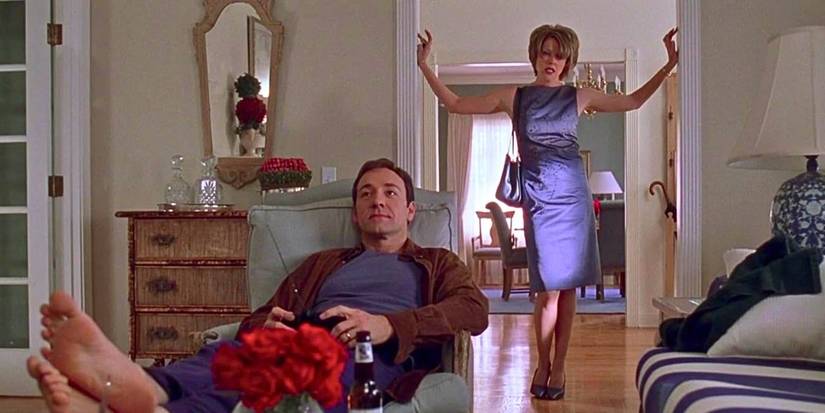
Annette Bening and Kevin Spacey as Lester and Carolyn Burnham arguing in American Beauty.Image via DreamWorks Pictures
If this were 10 years ago, American Beauty would likely not be on this list. Widely celebrated for its candid, transgressive dissection of America’s middle class, Sam Mendes‘ debut feature film has taken a piercing nosedive in popularity among the public in the wake of Kevin Spacey‘s scandals and affairs that eerily mirror his character’s thorny emotional intricate in the movie. When you look past its initial pitch, American Beauty’s self-indulgence and masculine angst has aged like milk.
One of the many things holding American Beauty back in 2026 is that it was released in 1999, a high-water mark year for cinema, and the last thing we want is a misguided current fable about a bored suburban father lusting over his teenage daughter’s friend. While the film features some inspired performances, particularly by Annette Bening, it’s impossible to get over the fact that it ostensibly sympathizes with Spacey’s Lester Burnham. As time went on, Fight Club endured as the 1999 film that more presciently identified the toxic masculinity that would dominate the 21st century. In the end, American Beauty isn’t as clever as it thinks it is, and various sequences, including the laughable plastic bag monologue, just make you want to roll your eyes. There’s not much left to chew on when watching the film today, as the film does it all for you.
7
‘Out of Africa’ (1985)
On paper, Out of Africa is your classic sweeping romantic historical epic representing the apex of Hollywood as an idea: a dream factory that can make something with impeccable grandeur and sophisticated integrity. Sure, the 1985 Best Picture winner is handsomely crafted by Sydney Pollack and stars two icons in Robert Redford and Meryl Streep, but good luck staying awake throughout its dense runtime and lackluster pacing.
Following the passionate love affair between baroness Karen Blixen (Streep) and big-game hunter Denys (Redford), Out of Africa wishes it could be the next Casablanca or Lawrence of Arabia, but its lofty ambitions just got the better of all parties involved. When Karen first arrives on the sweeping vistas of Africa, where we see the best of its geography and gorgeous horizons, the film takes your breath away, but after the initial pop, you’ll be checking the runtime endlessly. A film that proved to be thematically inert, despite its weighty subject, Out of Africa somehow made a romance between Streep and Redford feel flat. The film’s critical acclaim at the time has certainly not carried over to today, as it’s become a footnote in Oscar history. Sometimes you have the perfect ingredients to produce a classic, but it takes a singular direction and inventive storytelling angle to make a tasty concoction.
6
‘Green Book’ (2018)
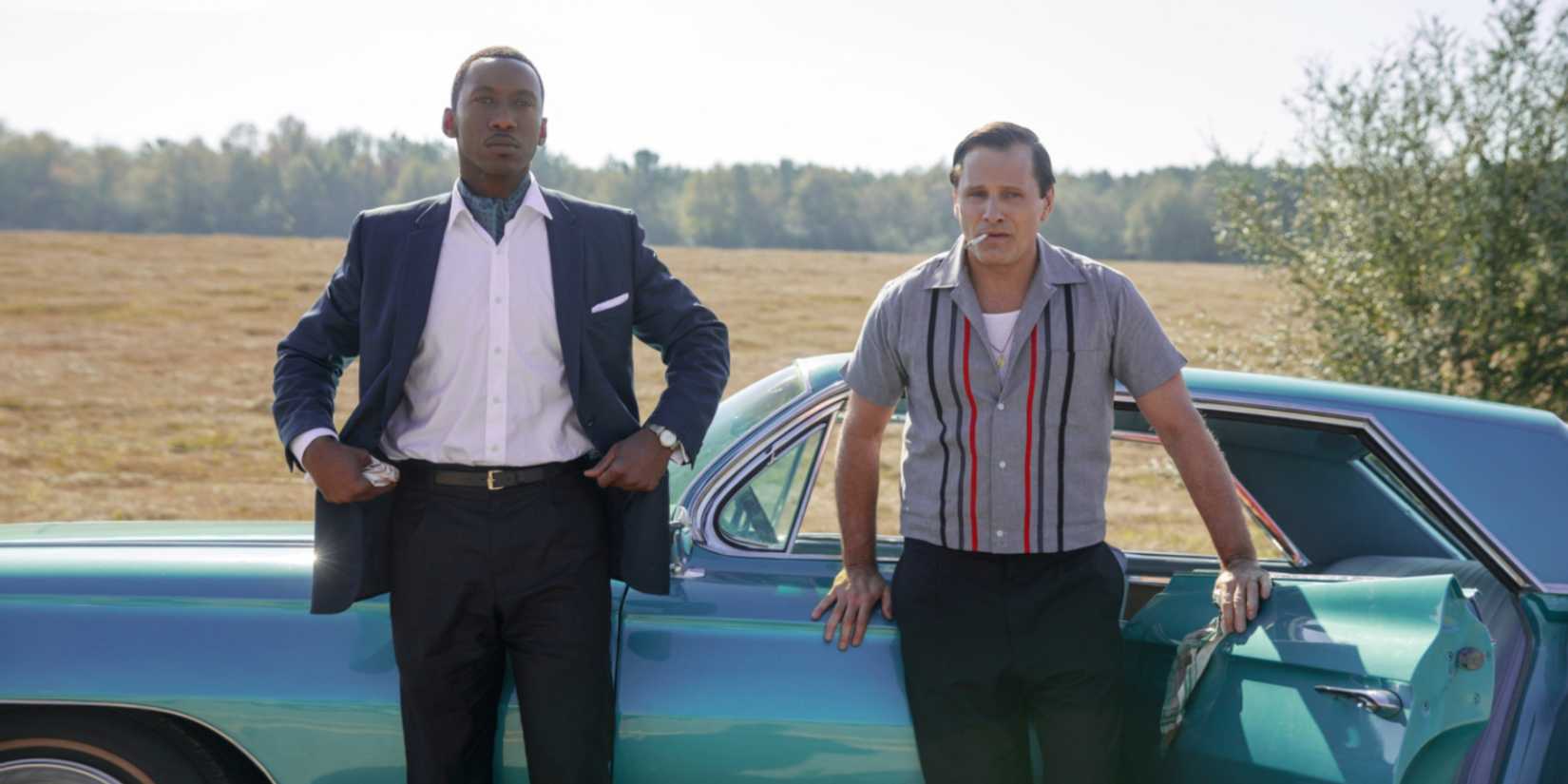
Viggo Mortensen and Mahershala Ali in ‘Green Book’Image via Universal Pictures
When asked about his opinion of Green Book immediately after it won Best Picture at the 91st Academy Awards, fellow nominee Spike Lee, who directed BlackKklansman, quipped, “It wasn’t my cup of tea.” Lee was preaching to the choir that night, with his harsh critiques further justified by the fact that Peter Farrelly‘s biographical road-trip dramedy mirrored the simplistic racial politics and whitewashed sentimentality of a future Best Picture winner on this list. Following Moonlight, the Oscars showed incredible progress, but this win sent them back a few years.
Green Book is undoubtedly a pleasant and effortless watch, one that certainly doesn’t fail to entertain or put a smile on your face—a credit to its pair of inspired performances by Viggo Mortensen as Tony Vallelonga and Mahershala Ali as Don Shirley. Their banter is natural and drops audiences into their culture clash, and the animated allows two beloved actors to undergo a full range of emotions. However, its effervescent nature speaks to a toxic issue at the heart of Green Book, which egregiously manipulated history by embellishing the level of guardianship Tony had over Don. Farrelly, a luminary comedy director with misguided dramatic undercurrents in his film, treats the story as a triumphant human breakthrough in race relations in America. Critically speaking, the broad characterization of Italian-American and Black people forces the movie to hammer down obvious points about inclusion in the segregated South, and turns the thorny subject into a fairy tale.
Collider Exclusive · Oscar Best Picture Quiz
Which Oscar Best Picture
Is Your Perfect Movie?
Parasite · Everything Everywhere · Oppenheimer · Birdman · No Country
Five Oscar Best Picture winners. Five completely different visions of what cinema can be — and what it can do to you. One of them is the film that was made for the way your mind works. Ten questions will figure out which one.
Parasite
Everything Everywhere
Oppenheimer
Birdman
No Country for Old Men
FIND YOUR FILM →
01
What kind of film experience do you actually want?
The best movies don’t just entertain — they leave something behind.
ASomething that pulls the rug out — that makes me think I’m watching one kind of film and then reveals I’m watching another entirely.
BSomething overwhelming — humorous, melancholy, absurd, and genuinely moving, all at once.
CSomething grand and weighty — a film that makes me feel the full scale of what I’m watching.
DSomething formally daring — a film that pushes what cinema can even do.
ESomething lean and relentless — pure tension with no wasted frame.
NEXT QUESTION →
02
Which idea grabs you most in a film?
Great films are driven by a central obsession. What’s yours?
AClass, inequality, and what people are willing to do when desperation meets opportunity.
BIdentity, family, and the chaos of trying to hold your life together when everything is falling apart.
CGenius, moral responsibility, and the catastrophic weight of a decision you can never take back.
DEgo, legacy, and the terror of becoming irrelevant while you’re still alive to watch it happen.
EEvil, chance, and whether moral order actually exists or if we just tell ourselves it does.
NEXT QUESTION →
03
How do you like your story told?
Form is content. The way a story is shaped changes what it means.
AGenre-twisting — I want it to start in one lane and migrate into something completely different.
BMaximalist and genre-blending — comedy, action, drama, sci-fi, all in one ride.
CEpic and non-linear — cutting between timelines, building a mosaic of cause and consequence.
DA single unbroken flow — I want to feel like I’m living it in real time, no cuts to safety.
ESpare and precise — every scene doing exactly what it needs to do and nothing more.
NEXT QUESTION →
04
What makes a truly great antagonist?
The opposition defines the protagonist. What kind of opposition fascinates you?
AA system — imperceptible, structural, and almost impossible to fight because it has no single face.
BThe self — the ways we sabotage, abandon, and fail the people we love most.
CHistory — the unstoppable momentum of events that no single person can stop or redirect.
DThe industry — the machinery of culture that chews up talent and spits out irrelevance.
EPure, implacable evil — a force so certain of itself it becomes almost philosophical.
NEXT QUESTION →
05
What do you want from a film’s ending?
The final note is the one that lingers. What do you want it to sound like?
AShock and inevitability — a conclusion that recontextualises everything that came before it.
BEarned emotion — I want to cry, laugh, and feel genuinely hopeful, even if the world is a mess.
CDevastation and grandeur — an ending that makes me sit in silence for a few minutes after.
DAmbiguity — something that leaves enough open that I’m still thinking about it days later.
EBleakness — an candid refusal to pretend the world is tidier than it actually is.
NEXT QUESTION →
06
Which setting pulls you in most?
Where a film takes place shapes everything — mood, stakes, what’s even possible.
AA gleaming current city with a hidden underside — beauty masking rot, wealth masking desperation.
BA collapsing suburban life that opens onto something infinite — the multiverse of a single ordinary person.
CThe corridors of power and science at a world-historical turning point — where decisions echo for decades.
DThe grimy, alive chaos of New York and Hollywood — fame as both destination and trap.
EVast, indifferent landscape — desert and highway where violence arrives without warning or reason.
NEXT QUESTION →
07
What cinematic craft impresses you most?
Every great film has a signature — a technical or artistic element that makes it unmistakable.
AProduction design and mise-en-scène — every frame composed to carry meaning beneath the surface.
BEditing and tonal control — the ability to move between registers without losing the audience.
CScore and sound design — music that becomes inseparable from the dread and awe of what you’re watching.
DCinematography as performance — the camera not recording events but participating in them.
ESilence and restraint — what’s left unsaid and unshown doing more work than any dialogue could.
NEXT QUESTION →
08
What kind of main character do you root for?
The protagonist is the lens. Who you choose to follow says something about you.
ASomeone clever and resourceful who makes increasingly threatening decisions under pressure.
BSomeone overwhelmed and ordinary who turns out to be capable of something extraordinary.
CA brilliant, tortured figure whose gifts and flaws are inseparable from each other.
DA self-destructive artist whose ego is both their superpower and their undoing.
EA still, principled person trying to make sense of a world that has stopped making sense.
NEXT QUESTION →
09
How do you feel about a film that takes its time?
Pace is a choice. Some films sprint; others let tension accumulate slowly, deliberately.
AI love a sluggish build when I know the payoff is going to be seismic — patience for a devastating reveal.
BGive me relentless momentum — I want to feel breathless and emotionally spent by the end.
CEpic runtime doesn’t scare me — if the material demands three hours, give me three hours.
DI want it to feel propulsive even when nothing is technically happening — restless energy throughout.
EDeliberate and unhurried — I want dread to accumulate in the spaces between the action.
NEXT QUESTION →
10
What do you want to feel walking out of the cinema?
The best films leave a mark. What kind of mark do you want?
AUnsettled — like I’ve just seen something I can’t fully explain but can’t stop thinking about.
BMoved and energised — like the film reminded me what actually matters and gave me something to hold onto.
CHumbled — like I’ve been in the presence of something genuinely critical and overwhelming.
DExhilarated — like I’ve just seen cinema doing something it’s never quite done before.
EHaunted — like a frosty, still dread that stays with me for days.
REVEAL MY FILM →
The Academy Has Decided
Your Perfect Film Is…
Your answers have pointed to one Oscar Best Picture winner above all others. This is the film that was made for the way your mind works.
Parasite
You are drawn to films that operate on multiple levels simultaneously — that begin in one genre and quietly, brilliantly migrate into another. Bong Joon-ho’s Parasite is a film about class, desire, and the architecture of inequality that manages to be darkly humorous, deeply suspenseful, and genuinely shocking across a single extraordinary running time. Your instinct is for cinema that hides its true intentions until the moment it’s ready to reveal them. Parasite is exactly that — a film that rewards close attention and punishes assumptions, right up to its devastating final image.
Everything Everywhere All at Once
You want it all — and this film gives you all of it. The Daniels’ Everything Everywhere All at Once is one of the most maximalist films ever made: action comedy, multiverse sci-fi, family drama, existential crisis, and a genuinely earned emotional core that sneaks up on you amid the chaos. You are someone who responds to ambition, who doesn’t want cinema to choose between being entertaining and being meaningful. This film refuses that choice entirely. It is overwhelming by design, and its overwhelming nature is precisely the point — because the feeling of being crushed by infinite possibility is exactly what it’s about.
Oppenheimer
You are drawn to cinema on a grand scale — films that understand history not as a backdrop but as a force, and that place their characters inside that force and watch what happens. Christopher Nolan’s Oppenheimer is a film about the terrifying gap between what we can do and what we should do, told with the full weight of one of the most consequential moments in human history behind it. You want your films to feel critical without feeling self-important — to earn their ambition through sheer craft and the gravity of their subject. Oppenheimer does exactly that. It is enormous, complicated, and refuses effortless comfort.
Birdman
You are drawn to films that foreground their own construction — that make the how of the filmmaking part of the what it’s about. Alejandro González Iñárritu’s Birdman, shot to appear as a single continuous take, is cinema examining itself through the cracked mirror of a fading actor’s ego. You respond to formal daring, to the feeling that a film is doing something that probably shouldn’t be possible. Michael Keaton’s performance and Emmanuel Lubezki’s restless camera create something genuinely unlike anything else — a film that is simultaneously about creativity, relevance, self-destruction, and the impossibility of ever truly knowing if your work means anything at all.
No Country for Old Men
You are drawn to cinema that trusts silence, that refuses to explain itself, and that treats dread as a form of meaning. The Coen Brothers’ No Country for Old Men is a film about the arrival of a novel kind of evil — implacable, arbitrary, and utterly indifferent to the moral frameworks we operate to make sense of the world. It is one of the most formally controlled films ever made, and its controlled restraint is what makes it so terrifying. You want your films to haunt you, not comfort you. You are not interested in resolution if resolution would be dishonest. No Country for Old Men is candid in a way that most cinema never dares to be.
↻ RETAKE THE QUIZ
5
‘Around the World in 80 Days’ (1956)
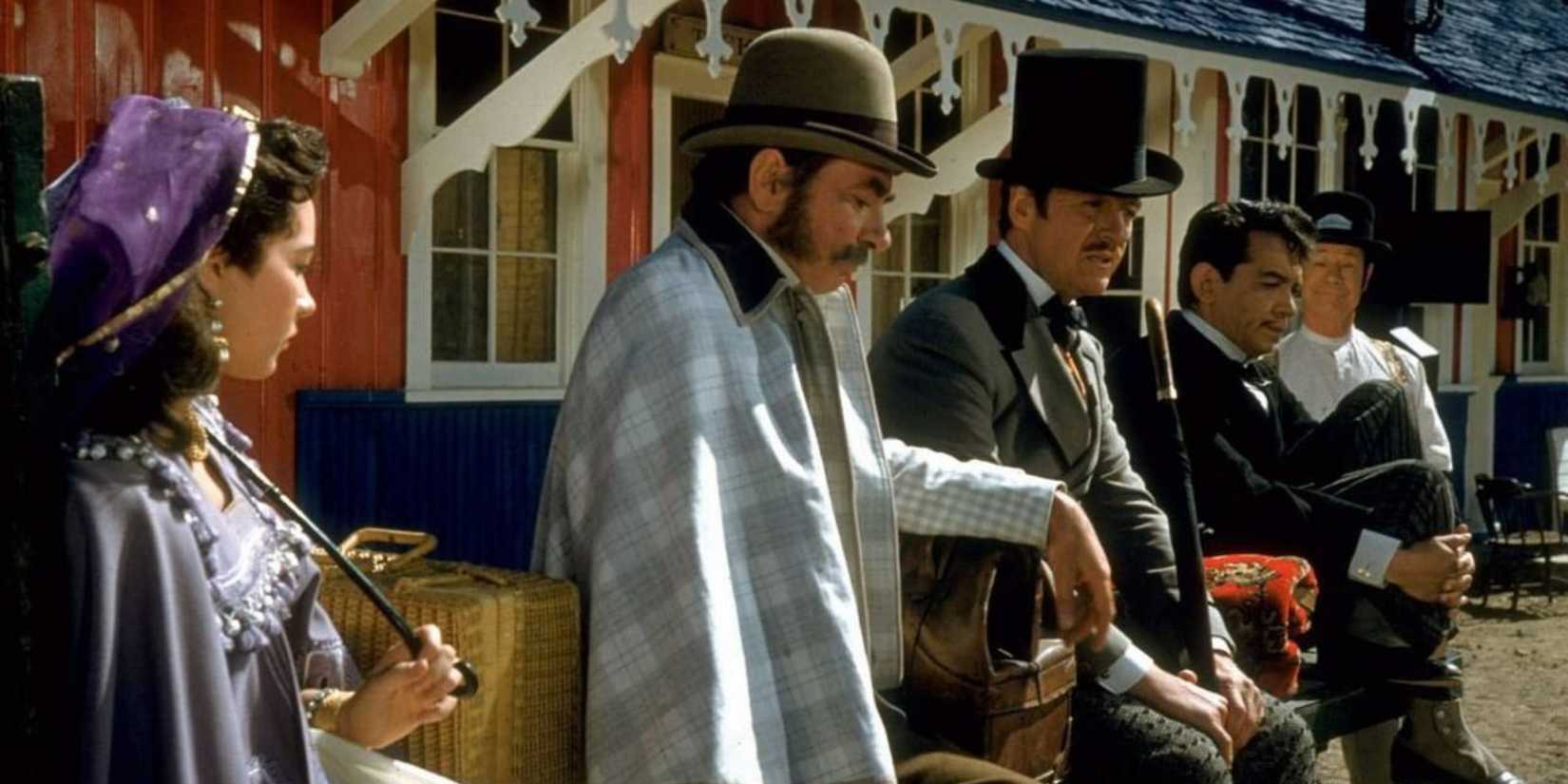
Phileas and his companions from “Around the World in 80 Days”Image via United Artists
A grave disservice to French adventure novelist Jules Verne, Around the World in 80 Days helps explain the rise of New Hollywood and gradual collapse of the studio system in classic Hollywood. One of the more perplexing, forgotten Best Picture winners in history, the farcical adventure comedy epic, directed by Michael Anderson, was the nadir of Hollywood’s reliance on boisterous, grand, spectacle-driven musicals and adventure sagas to draw audiences in rather than story and character. Just because you’re insisting that we’re having a good time doesn’t mean we actually are watching this film.
If there’s one thing you can’t knock Around the World in 80 Days for, it’s the grandeur and old-school Hollywood magic that the film is echoing throughout its 182-minute runtime, which features prologue narration by Edward R. Murrow, cameo appearances by Noël Coward and Buster Keaton, and starring roles by David Niven and Shirley MacLaine. After something as shallow as this arrived and confusingly won the hearts and minds of Oscar voters, prospective filmmakers knew something was off in the art form. Blinded by the source material and A-list status of its cast and production value, Around the World in 80 Days tricks you into thinking you’re experiencing a joyous journey that thrives in every genre. However, the filmmakers forget to make this legitimately fun.
4
‘Oliver!’ (1968)
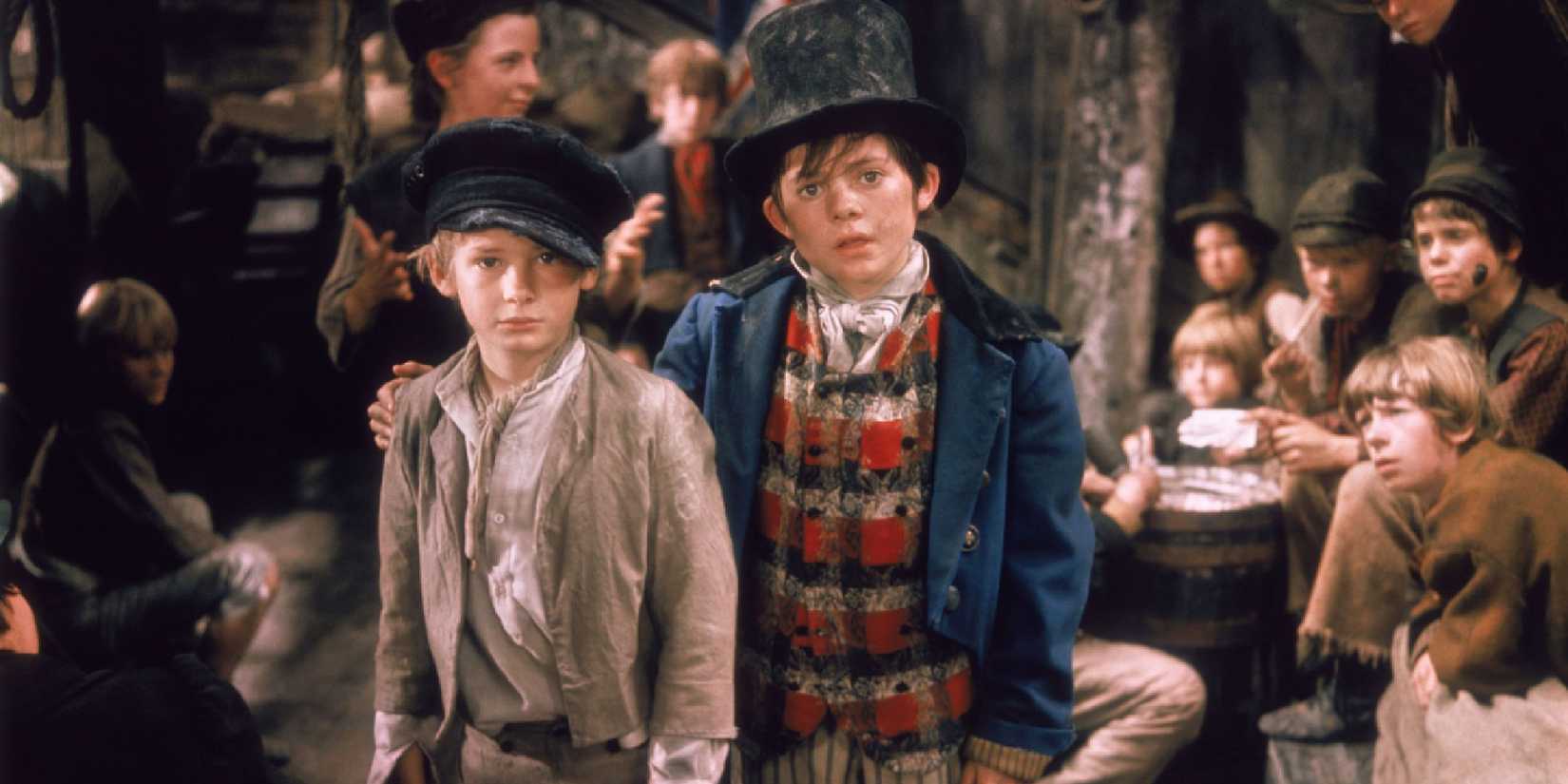
Oliver (Mark Lester) and The Artful Dodger (Jack Wild) with hopeful expressions in the film Oliver.Image via Columbia Pictures
The G-rated musical Oliver! won Best Picture in 1969. The next year, the gritty X-rated crime drama Midnight Cowboy took the prize, undoubtedly the starkest contrast between Best Picture winners in history. While the latter signaled the dawn of a novel era, the former was a desperate genre retread begging to be put out to pasture. Loosely adapted from Charles Dickens‘ classic novel, Carol Reed‘s film was misbegotten from the start, and it painted a dire image of the musical genre that hindered its popularity in the decades since its release.
Carol Reed has made plenty of remarkable films, including the masterful noir, The Third Man, but he didn’t have his fastball when directing Oliver!, a film undeserving of its exclamation point. At the very least, the 1968 studio song-and-dance show about an orphan who runs away from home to join a group of boys headed by the renowned pickpocket thief, the Artful Dodger (Jack Wild), has the backdrop of a formative Dickensian text that elevates the narrative scope. Although the film tries its hardest to be whimsical and quietly profound, Oliver! mostly just rings hollow, and it generally fails as a musical extravaganza, leaving no memorable songs or sequences in its wake. Family-oriented stories can have credibility, but throughout most of its interminable runtime, the film doesn’t treat the audience with respect and sophistication, and a musical adaptation of Dickens’ work warrants something grander.
3
‘The Greatest Show on Earth’ (1952)
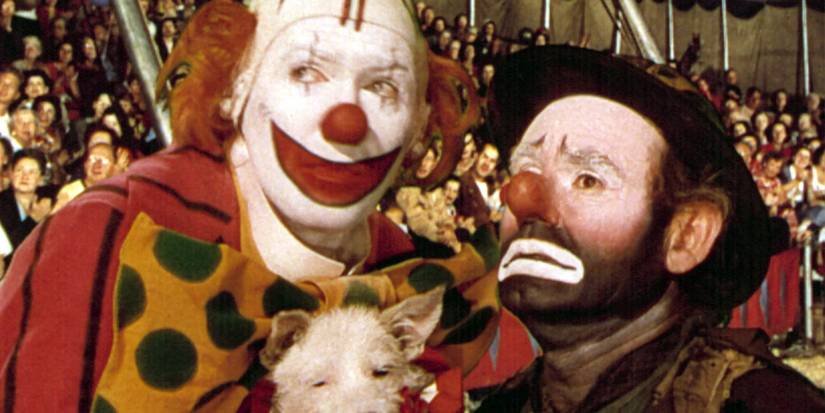
Clowns from The Greatest Show on Earth.Image via Paramount Pictures
It may have captured the imagination of a juvenile Steven Spielberg, as depicted in his semi-autobiographical film, The Fabelmans, but the director might be alone on this one. For most, The Greatest Show on Earth speaks to everything wrong with the Academy Awards, stigmas that still linger with the voting body since its release in 1952. A bloated circus spectacle filled to the brim with major names and directed by an elderly legend, Cecil B. DeMille, this Best Picture win was a true example of Hollywood gaslighting.
DeMille, who embodied Hollywood as a dream machine and a place of infinite wonder, did not produce his best work with The Greatest Show on Earth, despite what its star-studded cast might indicate, which includes Charlton Heston, Jimmy Stewart, Betty Hutton, and Gloria Grahame. The Oscars appeared to have honored the idea of the film rather than its execution, as the movie has all the right pieces, but nothing coalesces into a satisfying product. Save for the train crash sequence that haunted Spielberg as a child, The Greatest Show on Earth is merely a disjointed montage of circus action and wooden melodrama. If there was any movie worthy of the top prize in 1952, especially one about the magic and euphoria of putting on a show, it would be Singin’ in the Rain, which wasn’t even nominated in the category.
2
‘Driving Miss Daisy’ (1989)
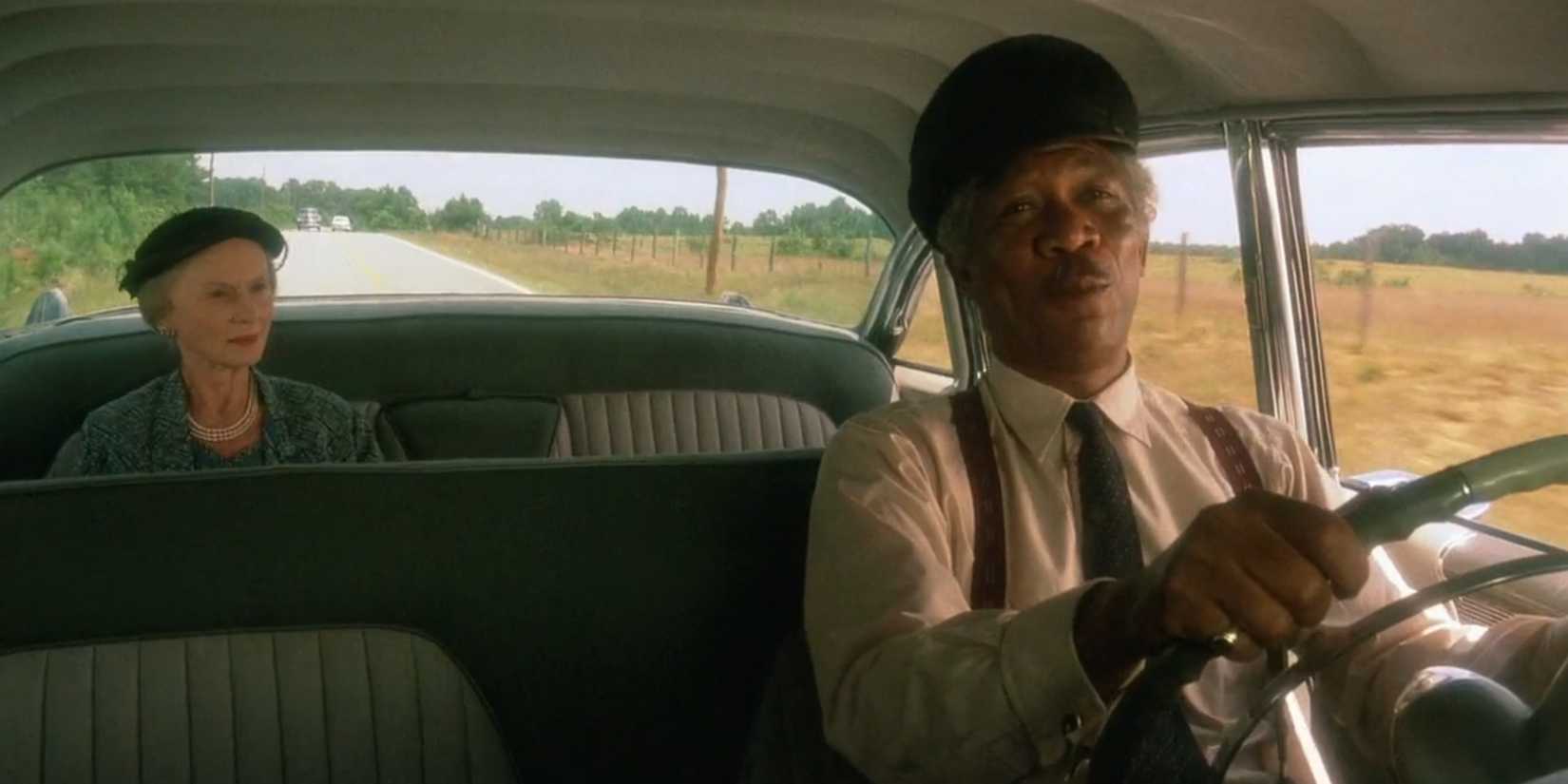
Hoke (Morgan Freeman) and Daisy (Jessica Tandy) chatting inside a car in Driving Miss DaisyImage via Warner Bros. Pictures
When it comes to movies about race in America, the Oscars should be your least trusted source for recommendations, especially in the Best Picture department. The Academy of yesteryear can be defined by its 1989 decisions, where it crowned Driving Miss Daisy, a white-guilt fantasy trip, and infamously snubbed Do the Right Thing, a blazing, confrontational, and urgent portrait of simmering racial tensions. This road-trip dramedy by Bruce Beresford is a pleasant enough watch, but its breezy entertainment value tells you everything you need to know about its treatment of earnest issues.
Starring Jessica Tandy and Morgan Freeman, playing the titular elderly Jewish widow and her chauffeur, respectively, Driving Miss Daisy follows this pair over many years in the American South and their gradually evolving relationship. The effervescent charm between Daisy Werthan (Tandy) and Hoke Colburn (Freeman) is undeniable, and the innate chemistry between these great actors will put a smile on your face at some point, but there’s something corrupt about the feel-good mentality of the film. Driving Miss Daisy appealed to the older members of the Academy who believed they were heroic allies of the Black community, and Beresford’s film, based on a play by its screenwriter, Alfred Uhry, naively treats racism as a uncomplicated misunderstanding between races, and not an institutional rot within society. The Academy had a long way to go before it finally honored something as groundbreaking as Moonlight.
1
‘Crash’ (2005)
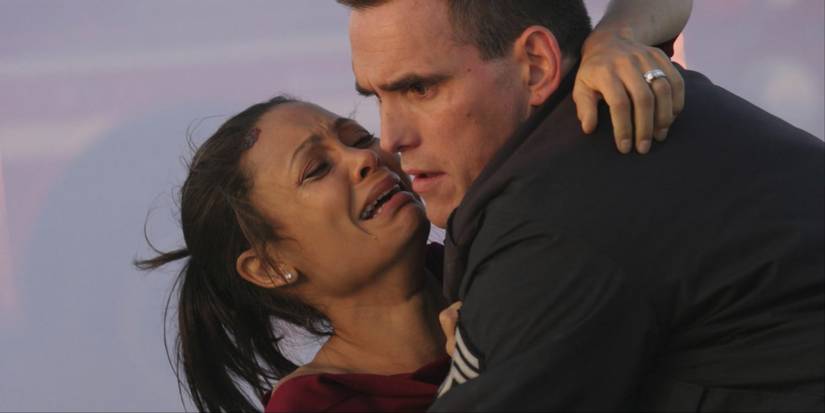
Matt Dillon holds a tearful Thandiwe Newton in Crash.Image via Lions Gate Films
The poster child for terrible Oscar decisions—a film so derided by many that it set a low standard for all controversial Best Picture winners to measure themselves up against. “At least it’s not Crash,” is a pale praise award to any questionable BP honoree in the last 20 years since Paul Haggis‘ ensemble social issues drama robbed Brokeback Mountain for the Academy’s top prize. All the Academy’s glaring issues, from their shortsighted view of critical topics and woeful abilities to stay in touch with the current moment, are woven into Crash.
Crash tricked Oscar voters into believing that its commentary was anything but empty noise.
Not to be confused with David Cronenberg‘s far superior 1996 film, Crash, centered around intersecting stories involving racial tension between civilians and law enforcement in Los Angeles, aspired to reach profound heights, but it failed to construct any nuanced or fresh takes on race relations in America. A movie that carries itself as if it “ended racism,” Crash tricked Oscar voters into believing that its commentary was anything but empty noise. Despite its stacked cast filled with admittedly forceful performances by Sandra Bullock, Don Cheadle, Michael Peña, Thandiwe Newton, and Matt Dillon, Haggis’ script and direction fail to craft a cohesive and satisfying narrative, with each scene playing out as individual chapters conveying class and racial dilemmas with the broadest stroke imaginable. For some, the film is too heavy-handed, while for others, it’s effortless to argue that it doesn’t lean strenuous enough into societal racism. In other words, Crash is a movie designed to be liked by nobody.
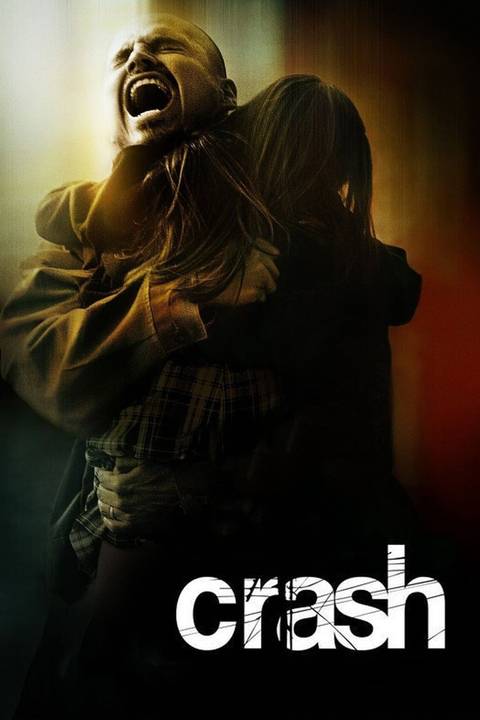
Release Date
May 6, 2005
Runtime
112 minutes
Director
Paul Haggis
Writers
Bobby Moresco
Producers
Bob Yari, Cathy Schulman, Don Cheadle, Jan Korbelin, Mark R. Harris, Andrew Reimer, Marina Grasic
-

-
Sandra Bullock
Jean Cabot




COMMENTS