
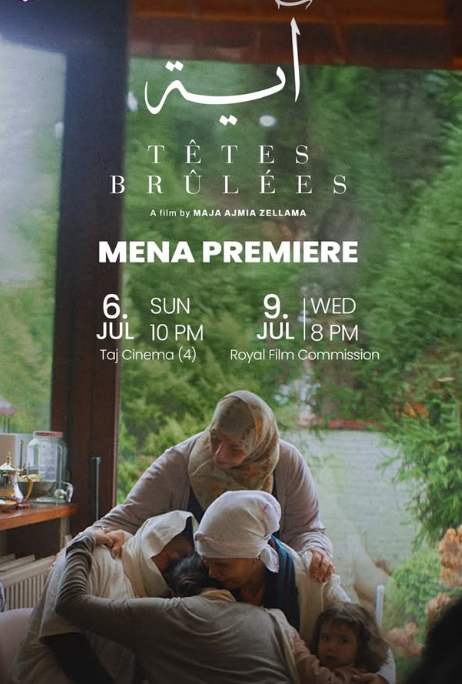
At the Amman International Film Festival 2025, Arab Cinema in All Its Boldness found one of its most tender and emotionally resonant expressions in Tê
At the Amman International Film Festival 2025, Arab Cinema in All Its Boldness found one of its most tender and emotionally resonant expressions in Têtes Brûlées, the debut feature by Maja-Ajmia Yde Zellama. Presented in the Arab Narrative Feature Competition, the film confirms Zellama as a distinctive new voice — one attuned not to spectacle, but to the fragile, often unspoken language of mourning.
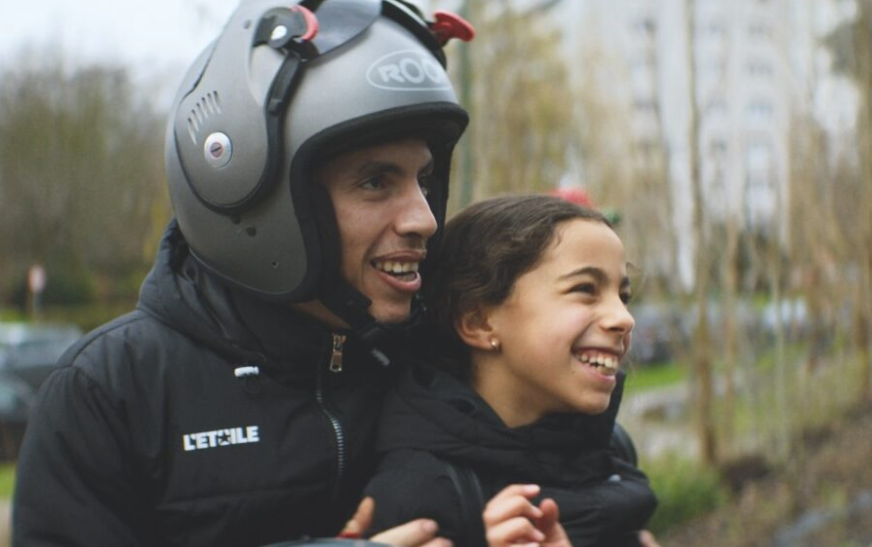
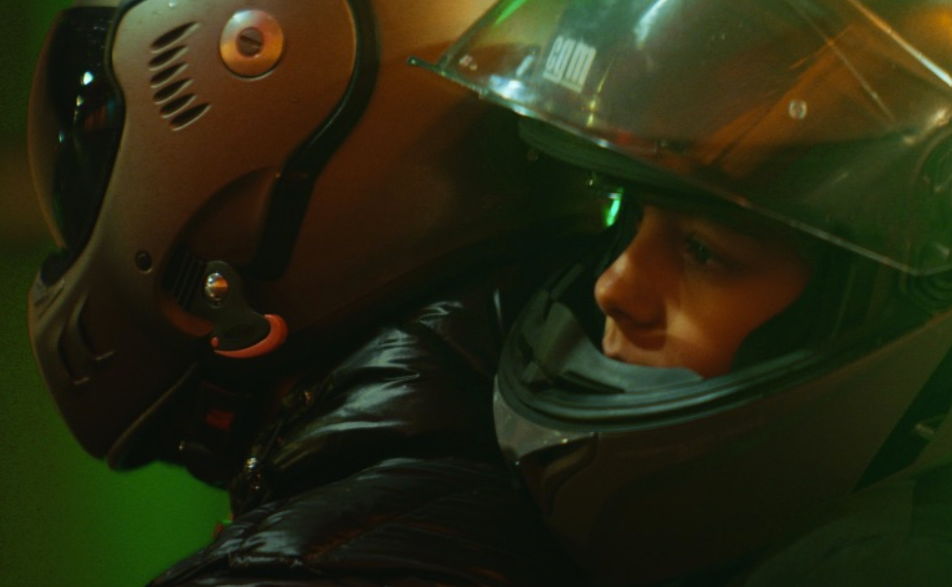
Set within a Tunisian family living in Brussels, Têtes Brûlées unfolds almost entirely in the immediate aftermath of loss. Twelve-year-old Eya, played with striking naturalism by Safa Garbaoui, shares an intense, almost symbiotic bond with her older brother Younès (Mehdi Bouziane). He is her protector, her companion, her emotional anchor — picking her up from school on his motorbike, lending her his headphones, letting her inhabit his world of friends and music. Zellama captures this closeness in fleeting gestures rather than declarations, allowing affection to surface organically.
When Younès dies suddenly in a senseless act of violence, the film resists explanation or dramatization. There is no crime narrative, no search for blame. Instead, Zellama places us firmly beside Eya, whose grief is isolating precisely because it does not resemble the grief around her. The family home fills with mourners. Downstairs, women gather in collective lamentation — cries, rituals, social codes governing how sorrow should be performed. Upstairs, Younès’s friends occupy his room, suspended between silence and laughter, prayer and memory. It is there, away from judgment and expectation, that Eya feels closest to her brother.
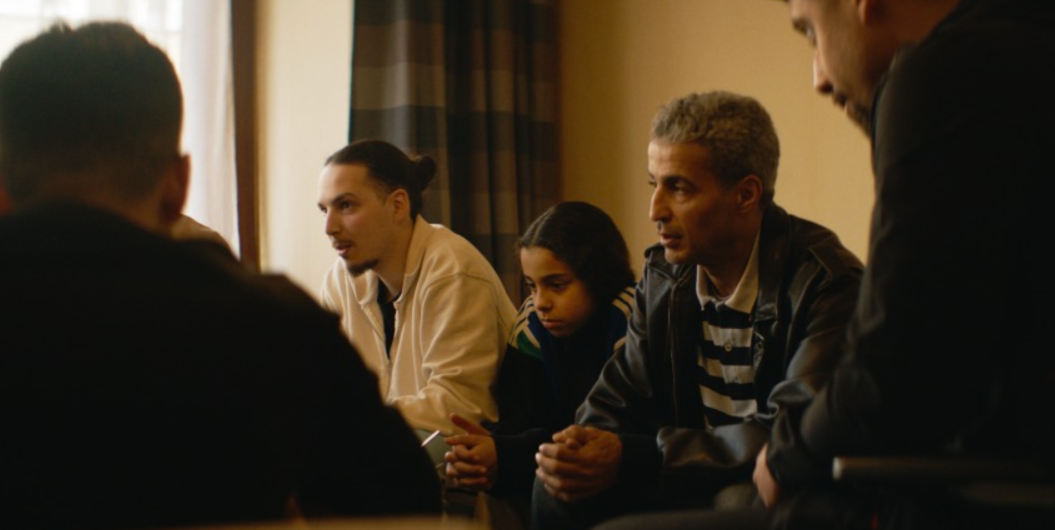
What gives Têtes Brûlées its quiet power is its refusal to impose hierarchy on grief. Zellama observes without condemning: the raw anguish of Eya’s pregnant sister is as authentic as the girl’s wordless withdrawal. Yet the film subtly questions performative mourning — the whispered assessments of behavior, clothing, propriety — and contrasts it with the understated solidarity offered by a group of young men rarely depicted with such gentleness on screen. Their tenderness, vulnerability, and emotional openness form the film’s emotional core.
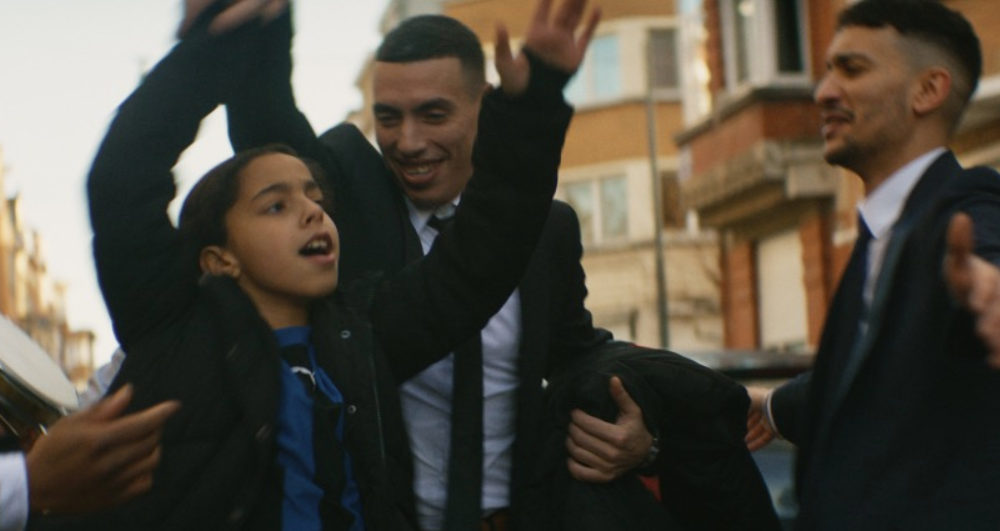
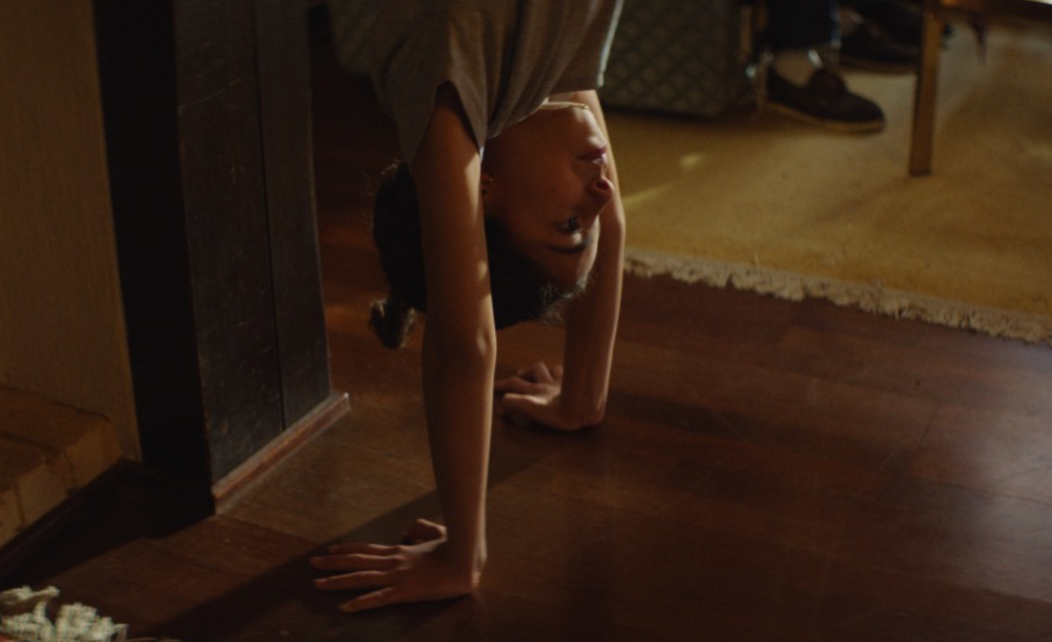
Loosely inspired by Zellama’s own childhood experience of loss, the film carries the texture of lived memory. Its pacing is deliberately restrained, even sparse, but within this stillness emerge moments of piercing beauty: Eya choreographing her brother’s friends into a playful “wave,” bodies moving together against the weight of sorrow; life insisting on itself through dance, conversation, and shared breath. Grief, the film suggests, does not freeze time — it coexists with it.
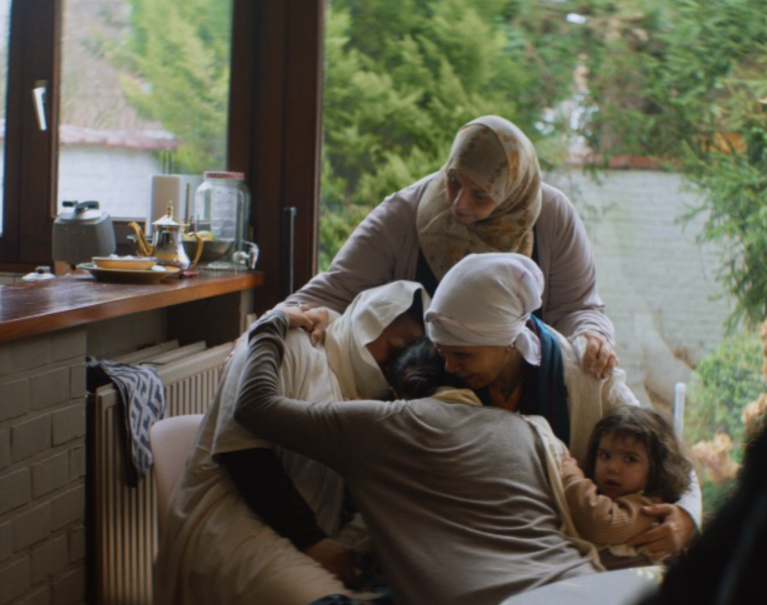
Visually, cinematographer Grimm Vandekerckhove favors close observation over stylization, grounding the film in domestic interiors and communal spaces that feel inhabited rather than framed. The multilingual texture — Dutch, French, Arabic — reflects Eya’s hybrid reality, navigating between cultural inheritance and contemporary European life without reducing either to cliché.
Têtes Brûlées avoids the familiar arc of rebellion versus tradition. Eya is neither oppressed nor idealized; she is a child negotiating identity, faith, and autonomy in the wake of irreversible loss. In the film’s final moments, as she stands beside her father during the funeral rites, veiled and composed, Zellama leaves us not with resolution but with transformation — subtle, incomplete, deeply human.
At the Amman International Film Festival 2025, Têtes Brûlées emerged as a work of rare sensitivity: a film that honors grief without aestheticizing it, and that reshapes familiar narratives of Arab families by centering empathy, intimacy, and quiet strength. It is a debut marked not by ambition, but by emotional precision — and that is precisely its achievement.
By Nabil Alani – Theworldscreen – Amman Film Festival 2025


COMMENTS