
For a few weeks every March, American productivity collapses into a blur of bogus doctor’s appointments and furtive glances at phones under conferenc
For a few weeks every March, American productivity collapses into a blur of bogus doctor’s appointments and furtive glances at phones under conference tables as the NCAA’s annual basketball tournament subsumes the culture. March Madness is one of the last sports products that can still be easily consumed—there are no blackout rules, no app-hopping, and no $400 subscription required, making it a rarity in today’s media landscape. The NFL is being dragged through an antitrust fight over allegedly unfairly pricing and restricting access to its out-of-market games package; the NBA’s broadcast rights are splintering across broadcast and streaming. Even college football is drifting toward a more fragmented, paywalled future. But to keep up with March Madness, all you need is basic cable.
Ever since the proliferation of streaming, the cost of watching live sports has quietly exploded. Games that used to come bundled in a single cable subscription are now scattered across broadcast networks, cable channels, and streaming services—each with their own monthly fees. Want the full slate? You’ll likely need some combination of ESPN, Peacock, Amazon, YouTube TV and a league-specific package on top of that. And, as the regional sports network model collapses, taking down channels like Bally Sports, even local fans are being pushed to purchase direct to consumer options that cost hundreds of dollars a year.
All of which raises a elementary question: Why is March Madness still so simple to watch?
The answer traces back to a deceptively elementary idea: making every game available at once. It sounds obvious now, but before 2011, viewers got whatever CBS gave them—no St. John’s game unless you were lucky; no chance to see High Point pull off an upset unless you happened to be in the right market. Now, everyone can watch what they want, when they want, and bail the second an opening round matchup gets uninteresting.
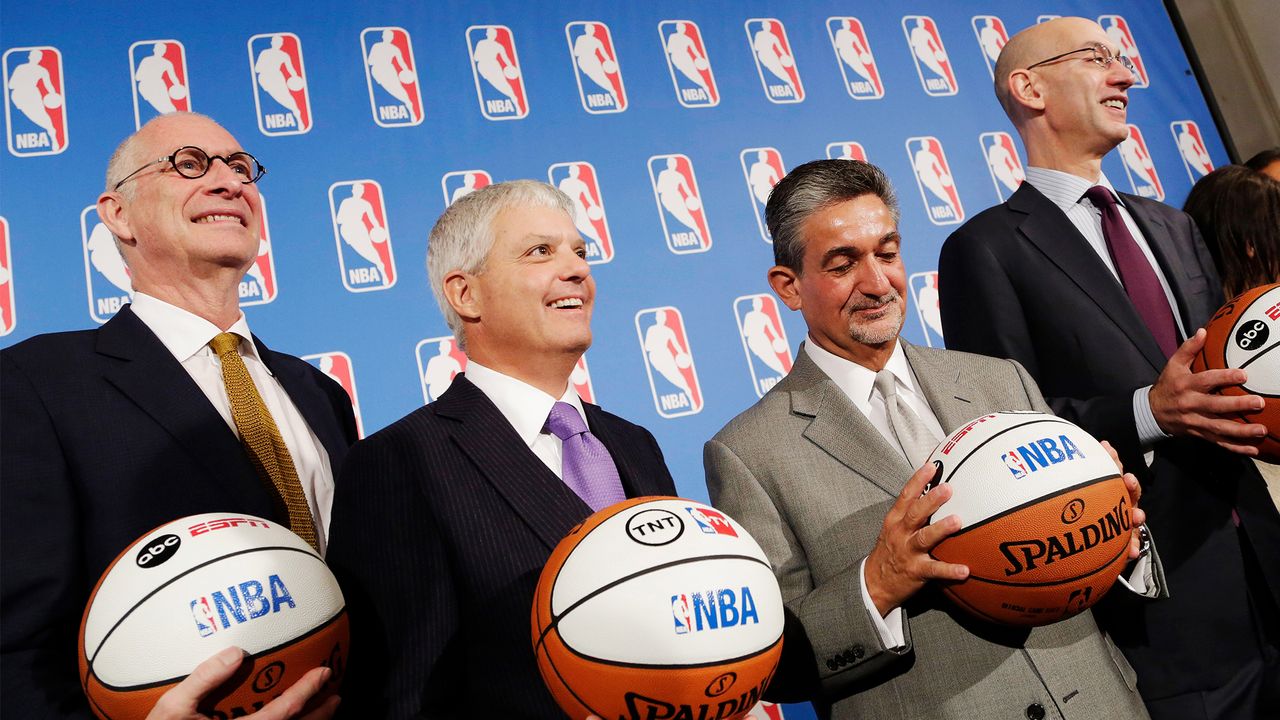
This is the way sports are meant to be experienced. But it didn’t work this way before David Levy—a 5’7” television executive from White Plains, NY who carries himself a foot taller, with a low, slightly messy coif of grey hair and a grin that seems permanently stretched ear to ear—had a very radiant idea.
Levy, who spent more than three decades climbing from ad salesman to president of Turner Broadcasting, helped secure and renew Turner’s NBA rights, building Inside the NBA into the sporadic postgame show that, as Bill Simmons puts it, occasionally improved ratings for the actual game. He expanded the company’s MLB and PGA footprints, acquired Bleacher Report and made early forays into streaming. In the process, he built Turner Sports into what NBA commissioner Adam Silver called an “industry powerhouse.”
But his most consequential move may have been giving college basketball fans control over what they watch. Levy blew up the venerable model, replacing a system of scarcity with one built on abundance.
When Levy was a student at Syracuse University in the early 1980s, the NCAA tournament lived almost entirely on CBS. The network carved the country into regions and dictated what each audience would see. If you lived in the Northeast, you got Syracuse; if you wanted UCLA, you were shit out of luck. If a game turned into a blowout, there was nowhere else to turn. That model held for decades, even as cable expanded its reach.


COMMENTS