

Saudi director Ali Saeed delivers one of the most revelatory documentary experiences of the 46th Cairo International Film Festival with Anti Cinema, a
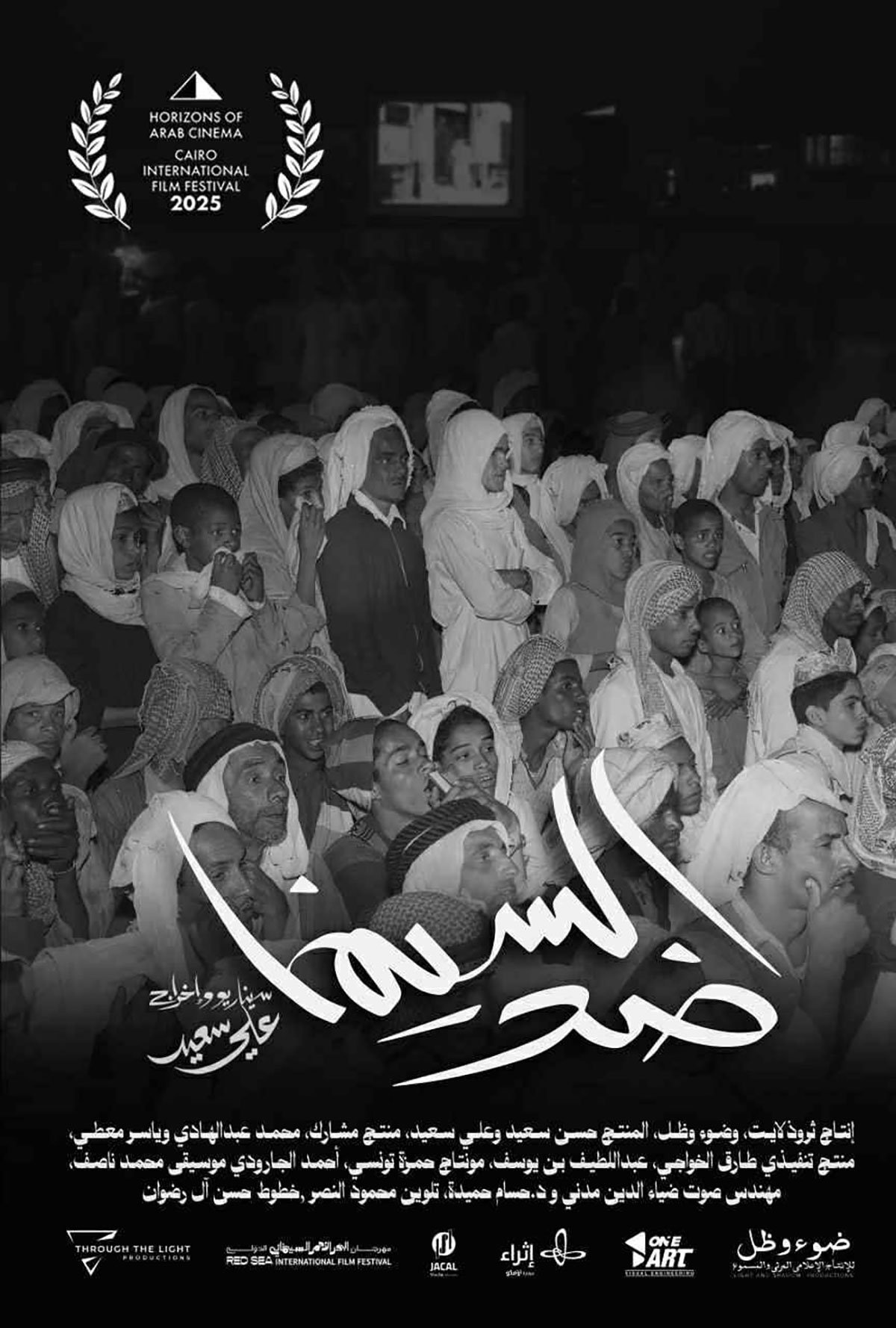
Saudi director Ali Saeed delivers one of the most revelatory documentary experiences of the 46th Cairo International Film Festival with Anti Cinema, a sweeping 118-minute chronicle that reframes Saudi Arabia’s cinematic memory. What begins as an intimate personal reflection—Saeed narrating childhood memories of VHS tapes, clandestine screenings, and the first video camera gifted by his father—expands into a bold reclamation of a cultural history long dismissed or misrepresented by international film scholarship.
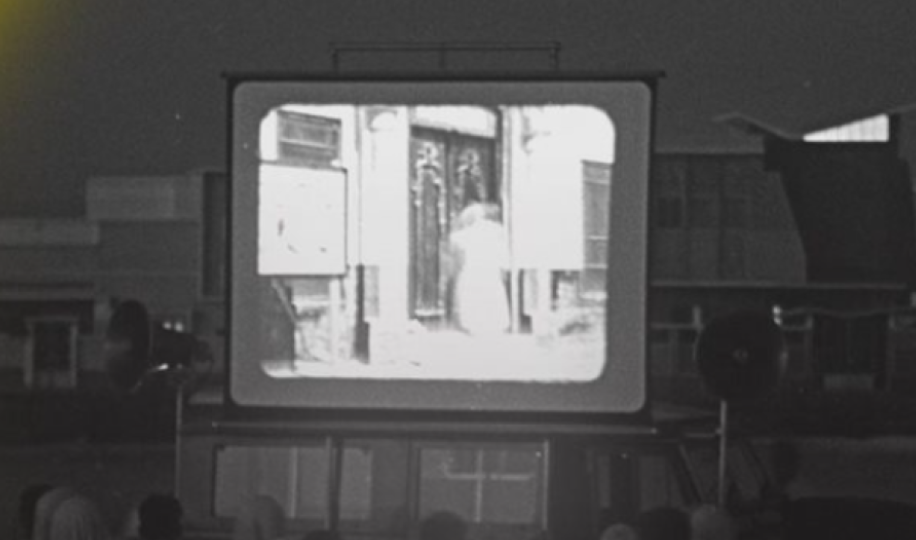
Restoring a Timeline Erased by History Books
For decades, global film encyclopedias repeated the myth that cinema had no roots in Saudi Arabia prior to the 20th century. Saeed’s documentary confronts this misconception head-on. Through meticulous archival research, he uncovers evidence of early film screenings dating back to 1918, when a French delegation shot and publicly screened two short films in Jeddah. He also traces rare footage of the Kaaba, early documentation produced by Aramco in the 1940s–1950s, and pioneering Saudi works such as Hassan Al-Ghanem’s short films and the first internationally screened Saudi feature, Abdullah Al-Muhaysin’s The Bombing of a City (1976), which premiered at CIFF nearly five decades ago.
This reconstructed timeline positions Anti Cinema not just as a historical film, but as a corrective to generations of misinformation—an archival intervention in the global narrative of Arab cinema.
A Documentary Built on Personal Memory, Cultural Resistance, and Collective Longing
Saeed’s narrative flows seamlessly between personal recollections and national history. Interviews with filmmakers, critics, cinematographers, and cultural pioneers from the 1970s through the 2000s provide a patchwork of testimonies—stories of secret “watching clubs,” illegally exchanged VHS tapes, improvised screenings in courtyards, and the quiet determination of young Saudis who risked everything to create films during decades when public screenings were banned.
The film also offers rare insight into the role of women in Saudi cinema. Directors Haifaa Al-Mansour, Hind Al-Fahad, Hanaa Al-Omeir, and others speak candidly about working under restrictive conditions and carving out cinematic pathways that would later inspire a new generation.
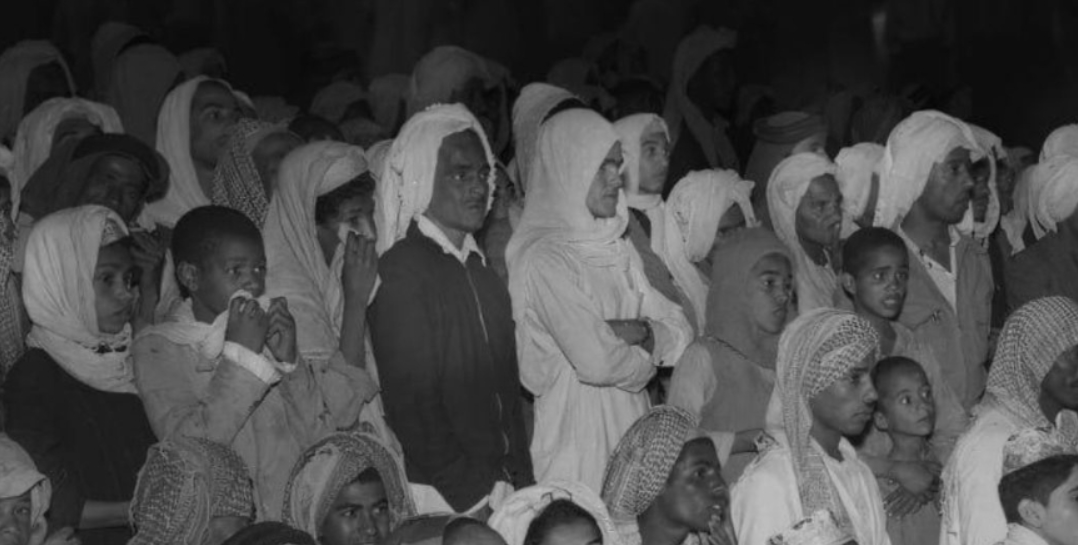
The Saudi documentary “Against Cinema”
A Vital Contribution to Understanding Saudi Arabia’s Cultural Shift
Anti Cinema arrives at a moment when Saudi Arabia is rapidly redefining its cultural identity. The film contextualizes this transformation not as an overnight shift, but as the culmination of decades of underground creativity, persistent experimentation, and a national yearning for artistic expression. For the first time, a documentary captures the emotional labor of those who kept the flame of cinema alive during the country’s most restrictive era.
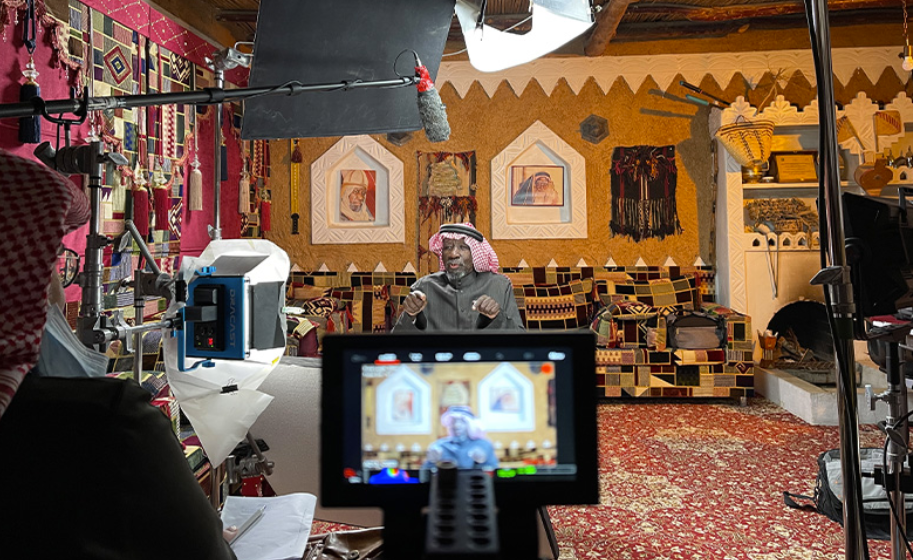
The Saudi documentary “Against Cinema”
A Five-Year “Sisyphean” Journey — and a Cinematic Triumph
In post-screening discussions at CIFF, Saeed described the project as a “Sisyphean journey”—five years of filming, hundreds of hours of interviews, and a full year of editing with editor Hamza Al-Tunsi. New information kept emerging at every stage, forcing constant reconstruction of the film’s structure. This relentless pursuit of accuracy is felt onscreen: every sequence is layered, rigorously sourced, and emotionally coherent.
The reward arrived at the festival’s closing ceremony, where Anti Cinema received the Special Jury Prize – Salah Abu Seif Award, a milestone in the history of Saudi documentary filmmaking.

A Landmark Work of Arab Nonfiction Cinema
What makes Anti Cinema remarkable is not merely its historical richness but its emotional intelligence. Saeed weaves together memory, nostalgia, and cultural resistance into a portrait of a society negotiating its relationship with art. With polished visuals, fluid editing, and a deeply human narrative, the film stands as one of the most important Arab documentaries of the past decade—a definitive work for scholars, filmmakers, and any audience interested in the evolution of cinema in the Gulf.

Preserving a Vanishing Archive Before It Is Lost Forever
One of the film’s most urgent achievements is its preservation of archives that have been neglected, scattered, or on the verge of disappearing. Many reels, press clippings, and amateur recordings featured in Anti Cinema existed only in fragile physical formats or private collections never before digitized. Saeed’s team spent years locating these materials across Saudi Arabia and abroad, in some cases rescuing footage from damaged tapes or abandoned storage rooms. Their efforts underscore a broader crisis in Arab film history: the lack of systematic archiving across the region. By consolidating these fragments into a coherent narrative, Anti Cinema becomes not only a cinematic work, but an act of cultural rescue—safeguarding a century of memory for future scholars and audiences.
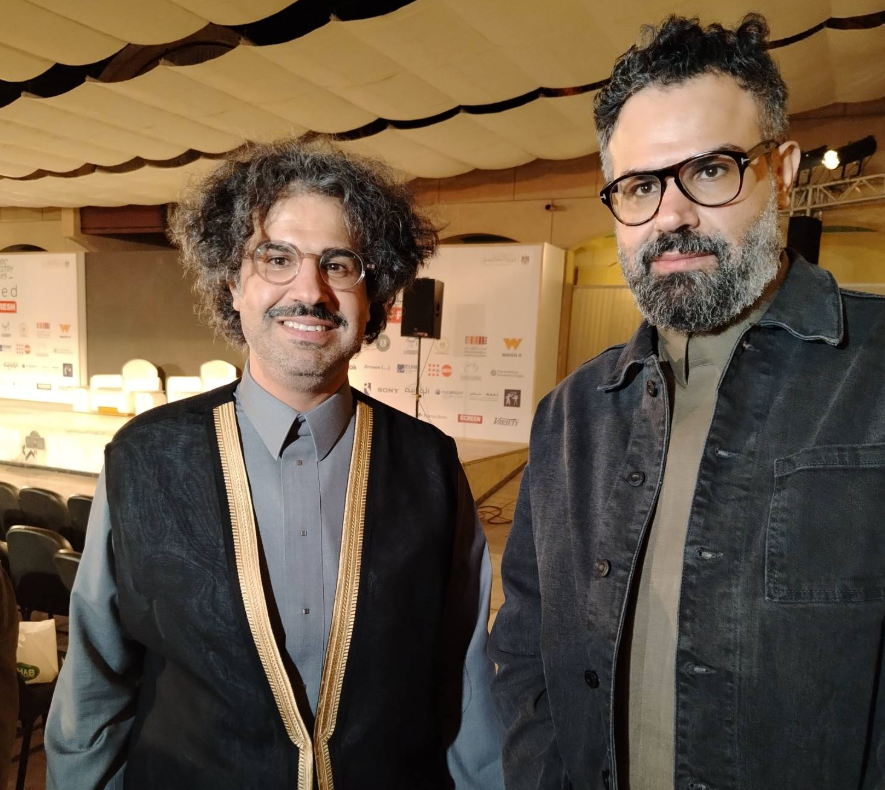
Producer Hassan Saeed and the film’s director Ali Saeed
A Turning Point for the Documentary Form in the Arab World
Beyond its subject matter, Anti Cinema marks a significant evolution in the language of Arab documentary filmmaking. Saeed avoids the traditional historical-lecture format, opting instead for a narrative driven by personal confession, philosophical reflection, and immersive audiovisual design. The emotional arc of the film—particularly its interplay between nostalgia and revelation—demonstrates how nonfiction cinema in the region is moving toward more expressive, essayistic structures. As a result, Anti Cinema stands alongside recent innovations in Arab documentary form, expanding the possibilities of how filmmakers can interrogate national memory. Its warm reception at CIFF suggests that audiences are increasingly open to complex, layered nonfiction storytelling that merges history, identity, and personal narrative into a unified cinematic experience.
BY Sari Albeder – CIFF46


COMMENTS