
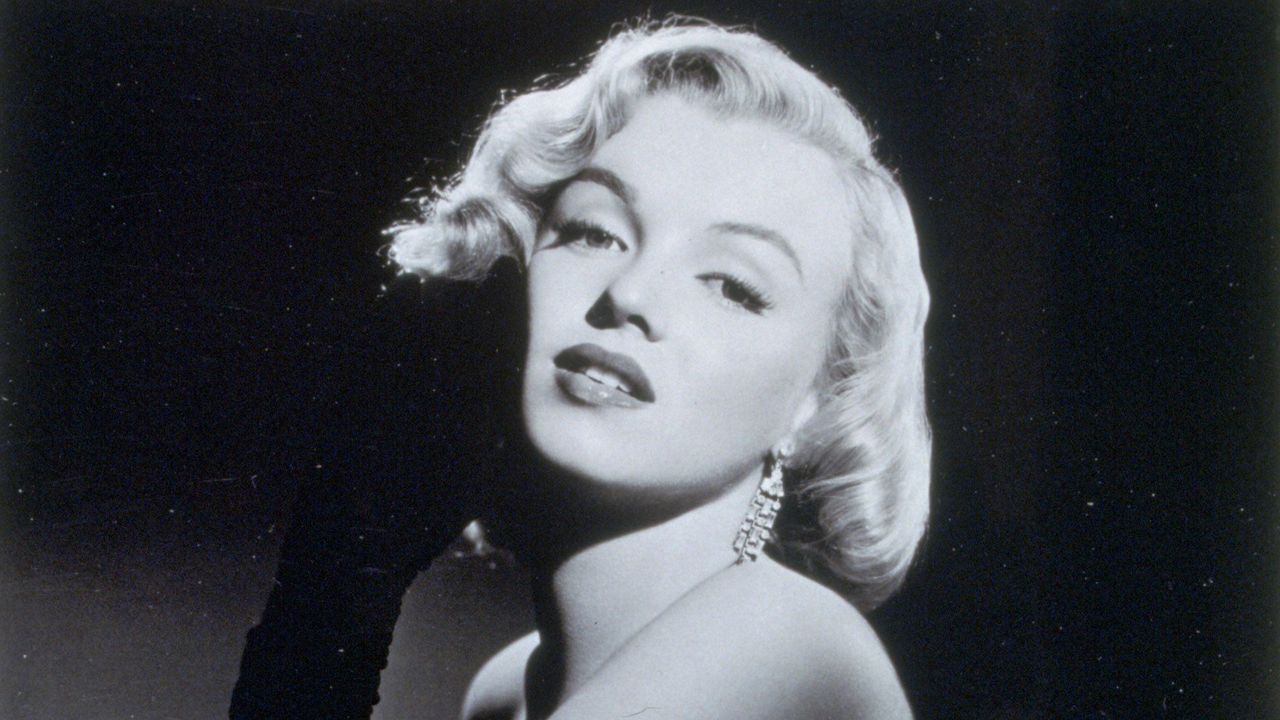
Throughout her career, Monroe was asked about her appearance, her waistline, or her latest, painful divorce. Later in life, I think of her every time
Throughout her career, Monroe was asked about her appearance, her waistline, or her latest, painful divorce. Later in life, I think of her every time I delve into the comments section on Instagram. In these moments, I smile and laugh, when what I want to say is, “How could you be so cruel?”
A few days before my speech, I went to the exhibit’s opening. The next day would have been Monroe’s 100th birthday. For an hour, I watched fellow fans with custom silk-screened T-shirts and bags, wander into the exhibit, slack-jawed under heart-shaped pools of light. I watched immaculately dressed women in 1940s nip-waisted dresses take in Monroe’s makeup, now displayed under glass. I watched mothers and daughters, and fathers and daughters, transported by the sound of Monroe’s voice, echoing as intimately through the gallery as if she were whispering in the shower. I saw the Gentlemen Prefer Blondes dress, and the one from The Seven Year Itch. At the end, I saw a photo of Marilyn’s own mentally ill mother, one of the great villains of her history, looking up at the sky, a human being.
The truth is, we get the version of Monroe we need. For Andy Warhol in the late ’60s, she became a vehicle for talking about mass production. For Gloria Steinem in the 1970s, Monroe was a victim of the patriarchy. This century has seen two major Hollywood-produced Monroe biopics, on either side of the #MeToo movement. In 2011, the Weinstein Company–produced My Week With Marilyn posits that Monroe was a reckless life-ruiner. In director Andrew Dominik’s Blonde, made 11 years later, Monroe has gone from villain to victim in a cruel and relentlessly exploitative world.
The exhibit is similarly evocative of our time. It can best be described as careful, like the little notes in Monroe’s handwriting in the margins of her script for the unmade Something’s Got to Give. We are entering an era of adjustment, seeing Monroe as neither a hero nor a victim, but rather how she would’ve wanted to be seen: as a human being.


COMMENTS