
In 2018, the Freddie Mercury biopic Bohemian Rhapsody (2018) became a cultural and commercial juggernaut, earning 900 million dollars and winning mul
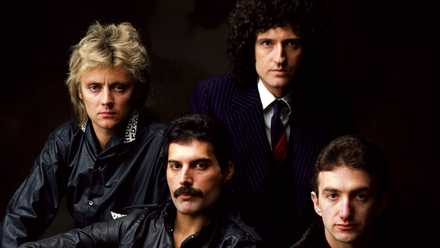
In 2018, the Freddie Mercury biopic Bohemian Rhapsody (2018) became a cultural and commercial juggernaut, earning 900 million dollars and winning multiple Oscars. Due to this success, Bohemian Rhapsody became a up-to-date touchpoint for the myth of Queen for a whole up-to-date generation. The film climaxes with the band’s performance at Live Aid in 1985. It’s a triumphant note to end the movie on. Despite some factual errors, in both the presentation of Live Aid and throughout the film, the movie solidified Live Aid, more than it already was, as the crowning achievement of one of the greatest rock bands of all time. However, Live Aid was an all-day performance, with a slew of incredible performers across two continents. Like all of the artists of Live Aid, Queen played a quick set of only six songs, comparatively long to peers like REO Speedwagon, but still a compact set overall. So what happened the rest of the day? Queen’s set may have stolen the show, but they were just one of over 70 artists that put on incredible performances at Live Aid that have since been forgotten.
Queen Plays Alongside Some Legendary Peers in Britain
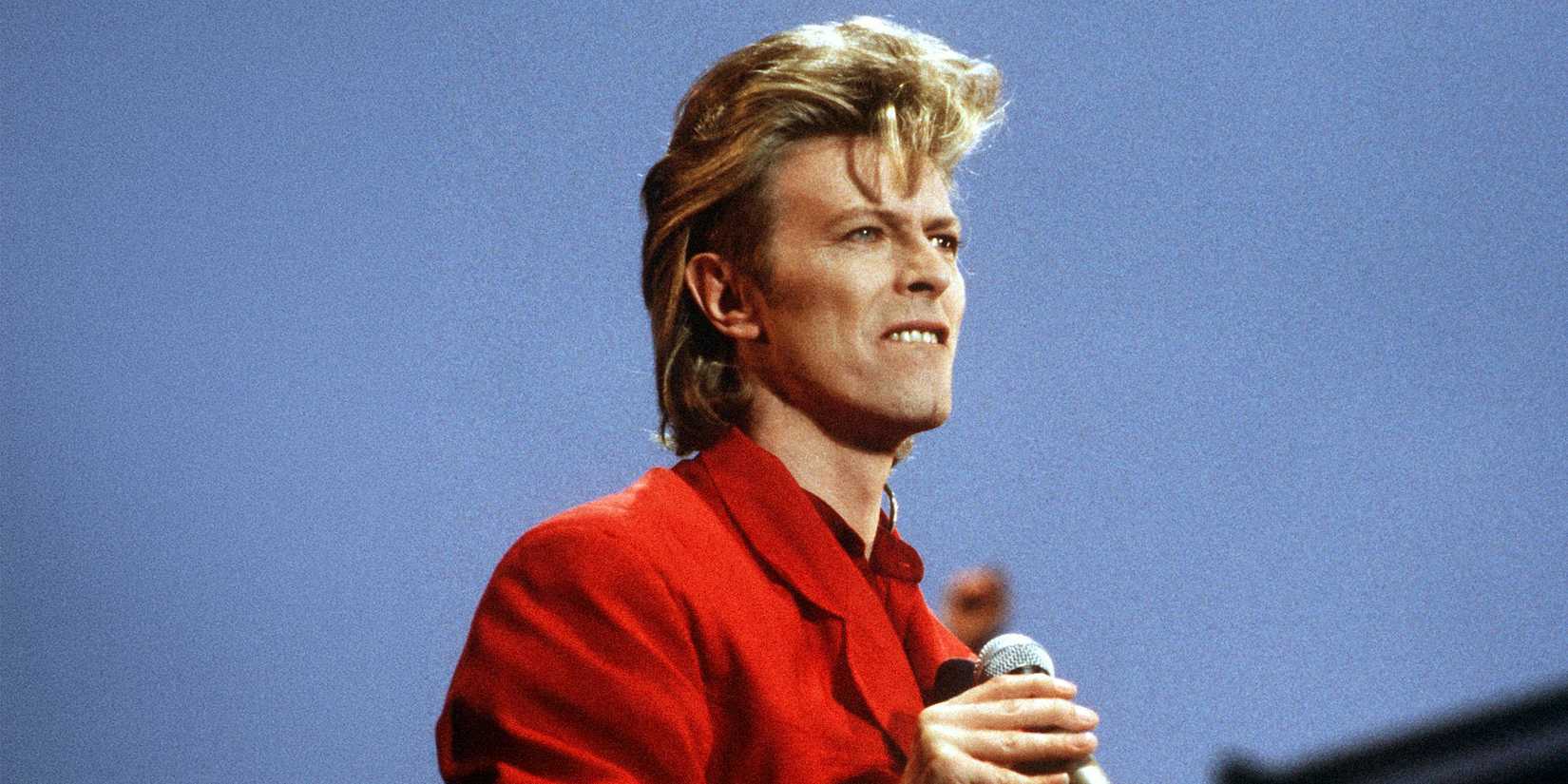
Live Aid was a charity concert held to raise money for a famine going on in Ethiopia. It was conceived as a spiritual successor to “Do They Know It’s Christmas,” a hit holiday single sung by a host of musical icons for the same cause. Live Aid took place on July 13th, 1985, in both Wembley Stadium in London and John F. Kennedy Stadium in Philadelphia, Pennsylvania, with artists divided between the two venues. Queen, for example, performed at the Wembley Stadium show, sandwiched between Dire Straits and David Bowie.
In the Dire Straits set that preceded Queen, the band was joined by Sting of The Police for “Money for Nothing,” who had also performed earlier in the day with Phil Collins. Collins managed to be the only artist to play both the London and Philadelphia shows, boarding a supersonic jet to make it across the Atlantic in time. The collaboration between Collins and Sting was not the only team-up of legendary artists; in fact, Live Aid was defined by them. Elton John was joined by members of Wham! for “Don’t Let the Sun Go Down on Me”, and Paul McCartney performed The Beatles’ classic “Let It Be” with David Bowie, Pete Townsend, Alyson Monet, and Bob Geldof.
America Has Its Own Legendary Live Aid Performances

Arguably, however, even more memorable reunions, collabs, and overall performances happened at the U.S. version of the show. The caliber of talent was evenly spread, and there was no distinct separation like all British artists playing the London show, for example, or vice versa. For example, Judas Priest, a metal act at the apex of their powers, gave a phenomenal performance of some of their biggest hits. Their non-stop energy was almost as impressive as their ability to perform on a July afternoon, clad in head-to-toe leather. They were followed up by Bryan Adams and The Beach Boys. The latter, in particular, sounded particularly great behind schedule into their career. The band was still just as musically tight as ever, while nailing all of their signature lush harmonies. Run-DMC, who performed earlier in the day, was the only hip-hop act that performed at Live Aid, which provided key exposure to the burgeoning genre. Madonna was also one of the only pop stars to take the Live Aid stage. With the success of “Like a Virgin” on MTV just a year prior, she was the major draw for younger pop fans who were perhaps less familiar with Eric Clapton.
Mick Jagger of The Rolling Stones performed alongside Tina Turner, a duo who had been friends and collaborators for a while up until that point. However, the Live Aid performance was really the icing on the cake. Their duet of “State of Shock” and “It’s All Rock and Roll to Me” is a brilliant showcase of raw vocal talent and on-stage charisma, as the duo perfectly played off of each other. Their effortless line trading and energetic stage movements made this one of the most high-energy rock performances of all time.
Was Queen’s Live Aid Performance Really the Greatest of All Time?
An Unforgettable Night When Queen Conquered Wembley.
70s Rock Giants Reunite to Mixed Results

Black Sabbath reunited with original lead singer Ozzy Osbourne to perform “Children of the Grave,” “Iron Man,” and “Paranoid.” This was the first time the band had been back on stage since Ozzy had left the band in the behind schedule 70s. According to guitarist Tony Iommi, this was supposed to be the first step to the original lineup returning in full force. While this wouldn’t happen for another few decades, the band did get drunk together the night before the show, and somehow put on a great performance, despite being extremely hungover.
An arguably bigger reunion was Led Zeppelin, who reunited for the first time since the death of drummer John Bonham. For Live Aid, Led Zeppelin was joined by Phil Collins. It’s a musical milestone on premise alone. However, Led Zeppelin’s performance went over, like the cover on their first album. Crashing and burning. From the first notes of “Rock and Roll,” it’s clear that Robert Plant’s voice isn’t up to snuff to properly hit the high notes of his younger self. Jimmy Page is wildly out of time and tune. Phil Collins, who’s filling in on drums, does his best while clearly under-rehearsed. John Paul Jones attempts to hold the whole thing together on the bass. What could’ve been one of the most triumphant performances in music history was a complete failure. This performance may be one of the only parts of this day that’s best left buried in the sands of time.
The Legacy of Live Aid Fades in Queen’s Shadow

Live Aid 1985 was a resounding success, raising 127 million dollars over it’s 16 hour broadcast for Ethiopian famine relief, and spawning numerous derivatives like Farm Aid and Live 8. The broadcast, which streamed to 1.5 billion people, provided artists with a great platform for exposure, even if the Queen’s performance is what’s remembered best in retrospect. Even with their show-stealing performance, the rest of Live Aid was one of the most star-studded lineups in music festival history. The majority of the festivals’ performances are really great, and it’s a testament to how unifying and novel the concept of a charity concert was at the time. It serves as a fascinating time capsule of the state of rock music in 1985 and deserves to be remembered for a whole day of performances, not just Queen’s 20 minutes.

Bohemian Rhapsody
- Release Date
-
November 2, 2018
- Runtime
-
135 minutes
- Director
-
Bryan Singer
- Writers
-
Anthony McCarten, Peter Morgan


COMMENTS