
Innanen answered the question to the best of his ability. “I think my understanding is that queerbaiting is when someone is falsely portraying themse
Innanen answered the question to the best of his ability. “I think my understanding is that queerbaiting is when someone is falsely portraying themselves as queer,” he said. “Paul Baker is pretty fluid to the core, and I think that that resonated with many people…. I think that there wasn’t much queerbait to him.” Of course, one could argue that, as a self-proclaimed straight dude, Innanen was falsely portraying himself as queer on the show. As noted in Innanen’s considered response, though, Paul Baker’s sexuality isn’t binary, making it harder for the allegation of queerbaiting to stick. Was Innanen engaging in an act of radical allyship by playing a character who shares a percentage of his own sexual identity? Or was he a dreaded queerbaiter, pulling the wool over the public’s eyes about his sexuality for his own gain? As you can imagine, the internet couldn’t decide, and debates erupted online about queerbaiting and the ethics of straight actors playing queer roles.
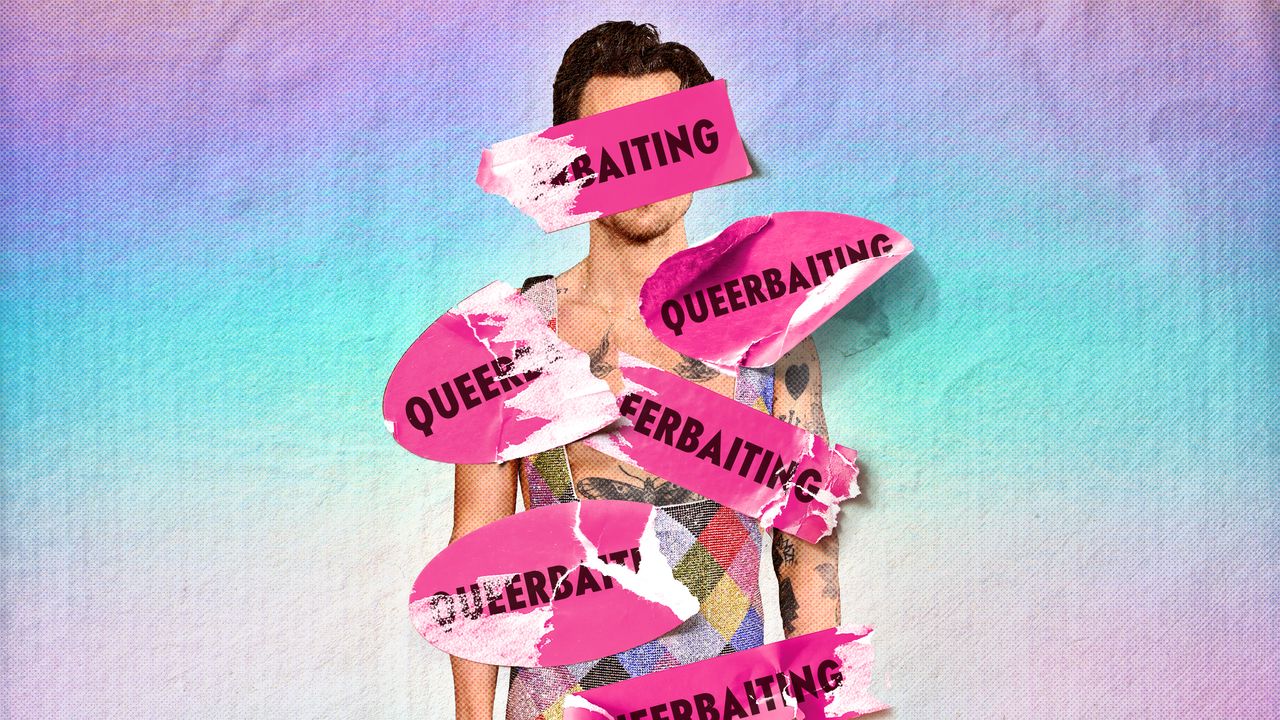
If you are chronically online (and if you are reading this article, you probably are), then you’ve likely come across the term queerbaiting before. But what, exactly, is queerbaiting? Technically, it’s a term that describes a marketing or media practice where, in an effort to appeal to the LGBTQ+ community, homosexual or queer activity between two characters is teased but never made manifest. In recent years, however, this word has seemingly become a catch-all term for anything that might upset or mislead members of the LGBTQ+ community. These two characters of the same sex keep flirting but never actually hook up? That’s queerbaiting. A straight actor is playing a queer role? Queerbait. There’s a photo of a bunch of guys hanging out together in a sauna? I’m calling the queerbait police.

