

It is with great sadness that we report Sebastián Lelio, the Oscar-winning director of such films as A Fantastic Woman, Disobedience, and The Wonder,
It is with great sadness that we report Sebastián Lelio, the Oscar-winning director of such films as A Fantastic Woman, Disobedience, and The Wonder, has died at the age of just 52. The fêted Chilean filmmaker, who made Academy Awards history in as the first of his countrymen to scoop the Best International Feature Film back in 2018, was found dead today at his home in Las Condes, Santiago, per local news reporting, with his family citing non-specific ‘health reasons’ as the cause.
A statement shared by the Lelio family on Sebastián’s partner Amalia Kassai’s Instagram reads as follows: “It is with great sadness that we announce the death of Chilean filmmaker Sebastián Lelio due to health reasons. We are going through a moment of great pain and your memory will remain forever among us. He was a beautiful person who contributed to Chilean culture in great moments of his history. As a family we ask for respect for intimacy and consideration in these difficult times.”
A animated and multi-talented director, writer, editor, and producer, Sebastián Lelio Watt crafted a remarkable body of work in his all too compact half a century on this planet. Paying particular, sensitive, intimate and yet also somehow panoramic attention to stories of resilient women and the trials of womanhood, Lelio was a master of the character study.
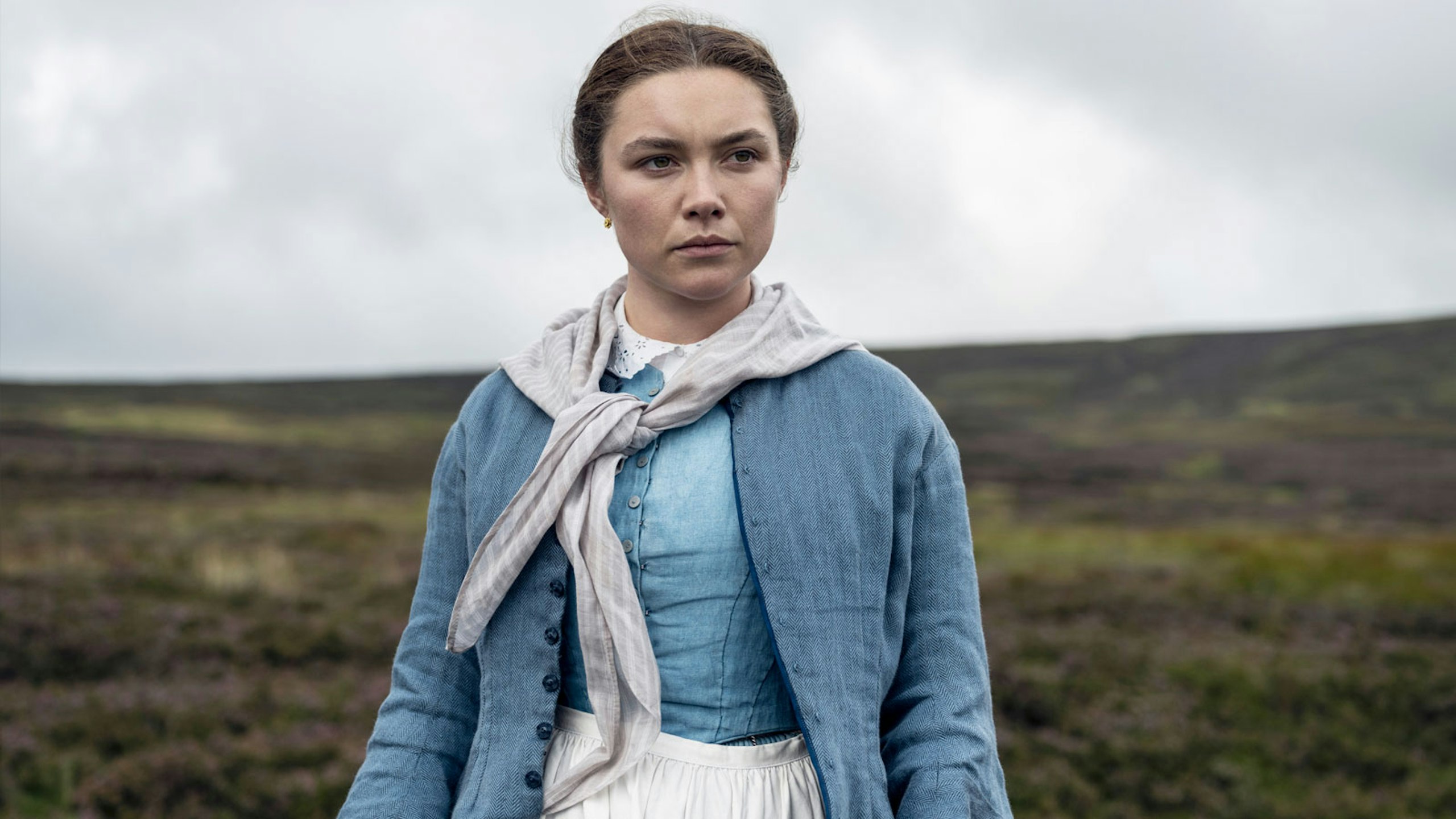
Oscar winner A Fantastic Woman gave us the fantastically gilded, deeply humanist tale of Marina (Daniela Vega), a trans woman navigating love, loss and societal judgment in the wake of her boyfriend’s death. 2018 follow-up Disobedience, starring a rarely better Rachel McAdams and Rachel Weisz, served up an at times smouldering and at others shattering study of forbidden love and self-sacrifice between an Orthodox Jewish woman and an outcast returned to her community. More recently, 2022’s Florence Pugh starrer The Wonder — finding Lelio in a darker but no less soulful métier — offered audiences an existentially thought-provoking reckoning with faith and a potent illumination of both communal and familial sisterhood. Look further yet, and across the Chilean director’s oeuvre — from Navidad to The Year Of The Tiger, the sumptuous Gloria Bell (featuring a wonderful Julianne Moore performance) to recent film festival darling The Wave, a musical centred around women protestors in his native Chile — you will find, time and again, works of bone-deep emotion, populated with mighty, complicated, brilliant women.
At the time of Sebastián Lelio’s tragic sudden passing, he was demanding at work on his tenth feature, Chilean Poet, an adaptation of Alejandro Zambra’s novel about a frustrated poet pulled from, towards, and apart again from his teenage sweetheart. Zambra’s book is both tender and edged, wise and given to moments of whimsy, a work of prose composed in the rhythm and key of life. While it is painful to imagine a world without Sebastián Lelio, and without the tenth, eleventh, and many more films he should’ve had to come, there is an odd and somewhat comforting beauty to the way Chilean Poet can be described in the same terms we think of Lelio and his art. The works he has left us with will live on, as will his legacy as a trailblazer for his nation and a true champion of cinema. Our thoughts are with his friends, family, and loved ones at this hard time.

