
It’s been almost a decade since 24-year-old Sydney Loofe disappeared after connecting with a woman named Bailey Boswell on Tinder. After a single in-
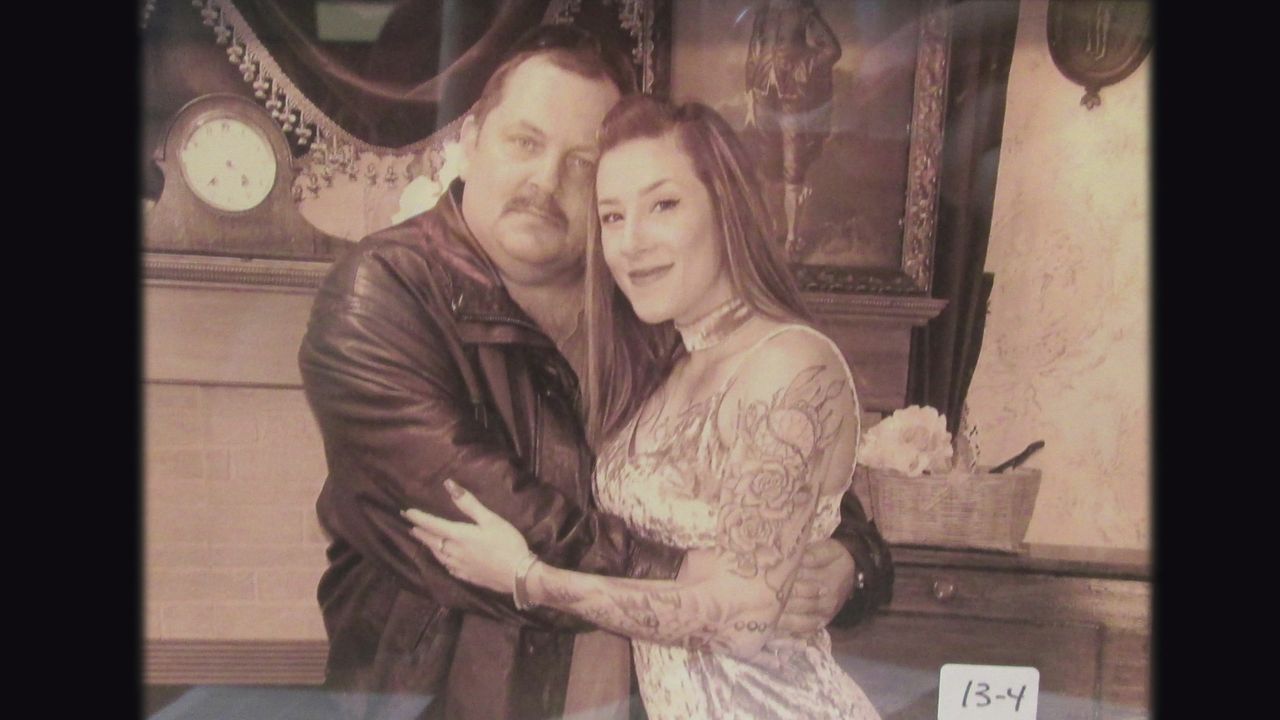
It’s been almost a decade since 24-year-old Sydney Loofe disappeared after connecting with a woman named Bailey Boswell on Tinder. After a single in-person date, Loofe would later learn that she had actually been messaging with a man named Aubrey Trail, who referred to himself as a “powerful warlock,” at the head of a “coven,” which was, in reality, a coercive sex cult and criminal enterprise with Boswell as one of his “witches.” Boswell and Trail were in a romantic relationship themselves, a Bonnie and Clyde of online dating in small-town Nebraska. Within days of their first Tinder messages, Loofe was killed as a “sacrifice” by the coven’s leaders, her body dismembered and dumped in trash bags around a plot of rural land in small-town Nebraska.
In Swipe Right on the Devil, a fresh Ron Howard–produced, three-part true-crime series now streaming on Hulu, filmmaker Brian Biegel recounts the story of “witchcraft and its sister, black magic” in Wilber, Nebraska, as it “meets the modern-day digital dating world,” he tells Vanity Fair.
As part of the police investigation into Loofe’s death, authorities discovered that she had been recruited as the 13th member of Trail and Boswell’s “coven,” in which various women they met on dating apps were used for local thefts and sex in return for “love” and some money. “The headline is witchcraft, cult. But at its core is this more universal story of looking for belonging,” says producer Christopher St. John. “Obviously there’s the cautionary tale about tech.”
“With AI, it’s only going to get worse,” says executive producer and fellow Imagine Entertainment exec Sara Bernstein. “You really don’t know who you can trust.”
The documentary features interviews from multiple women who were scammed by Trail and Boswell, one of whom speaks in the third person to distance herself from the PTSD of her memories. “As documentarians, you want there to be a greater social value or conversation that can come,” says Bernstein, “as opposed to just retelling, frankly, what can be really graphic and gory details and having people relive their pain and suffering.”

