
These days, the conversation around television Westerns typically revolves around neo-Westerns like Yellowstone or critically acclaimed HBO shows like
These days, the conversation around television Westerns typically revolves around neo-Westerns like Yellowstone or critically acclaimed HBO shows like Deadwood. Sure, the classics like Gunsmoke, Bonanza, and Rawhide can still be found in their entirety at your local Walmart, but otherwise there are plenty of both old-school and up-to-date trips to the Old West that have been pushed to the wayside. Given the expansive history of the genre on television, it’s a crying shame.
For those looking to tackle the genre in earnest, we’ve put together a brief list of slept-on Western shows that, while not perfect, come pretty darn close. Each has its quirks, underdeveloped aspects, or plotlines we don’t care for, but they all revel in their unique exploration of the American West during the time-honored post-Civil War period (okay, except one, but we’ll get to that). So hop in the saddle and grab the reins because we’re on our way to that forgotten wild frontier.
‘How the West Was Won’ (1976–1979)
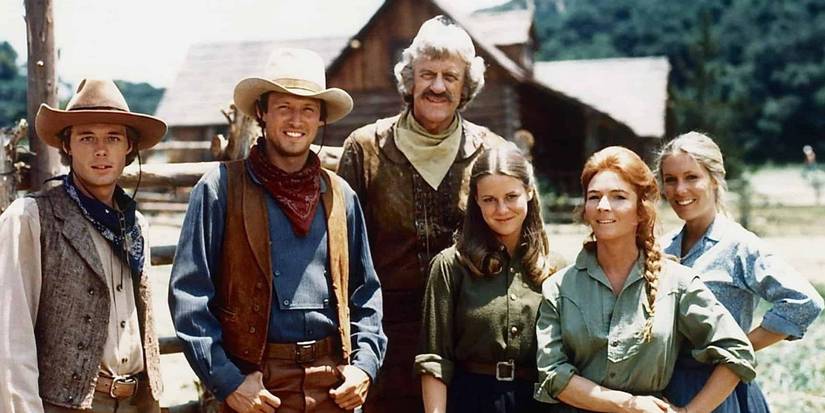
The cast of ‘How the West Was Won,’ including Josh “Jed” Macahan (William Kirby Cullen), Luke “Seth” Macahan (Bruce Boxleitner), Zebulon “Zeb” Macahan (James Arness), Jessica “Jessie” Macahan (Vicki Schreck), Katherine “Kate” Macahan (Eva Marie Saint), and Laura Macahan (Kathryn Holcomb),Image via ABC
After spending two decades playing Marshal Matt Dillon on Gunsmoke, Western star James Arness decided that his next television project would be an epic reimagining of How the West Was Won. What started as a television film following the Macahan family as they, with support from uncle Zeb Macahan (Arness), travel west to establish themselves during the heights of the Civil War, only to venture into that initial postwar period of Western lawlessness. It certainly lives up to the high expectations of that original film.
With over two dozen 90-minute installments, each episode of How the West Was Won almost plays like a made-for-TV movie. Of course, there are serialized threads that continue throughout the whole series — such as Luke’s (Bruce Boxleitner) continual troubles with the law — but they never pull away from the main plot. It’s a shame so few remember this one.
‘Cheyenne’ (1955–1962)
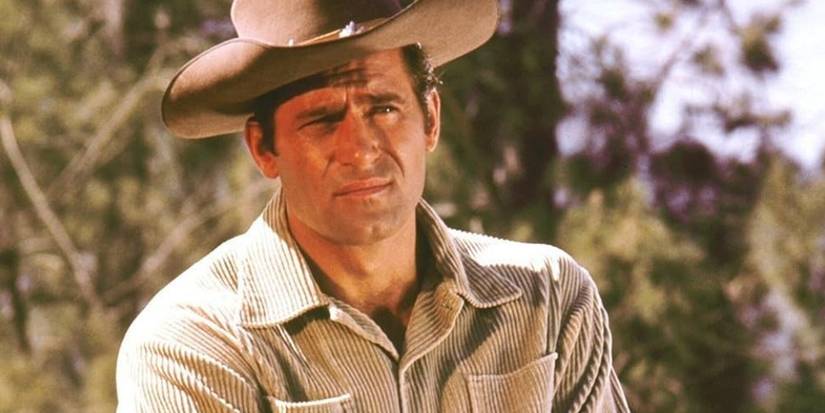
Clint Walker rides on as Cheyenne Bodie in ‘Cheyenne.’Image via ABC
The first hour-long Western television series to hit the airwaves, Cheyenne ran for an impressive seven seasons back in its day, paving the way for future 60-minute programs. Featuring Clint Walker as Cheyenne Bodie, a drifting gunslinger who takes odd jobs across the Old West, always finding himself in the middle of whatever trouble comes along. It helped that he’s among the best Western gunslingers on television.
Cheyenne is about as time-honored a TV Western as you can get, almost like the Shane of televised horse operas. The series even served as the springboard for the short-lived The Dakotas, another often slept-on series that deserves its due. Additionally, that Cheyenne theme song is just so catchy.
‘Paradise’ (1988–1991)
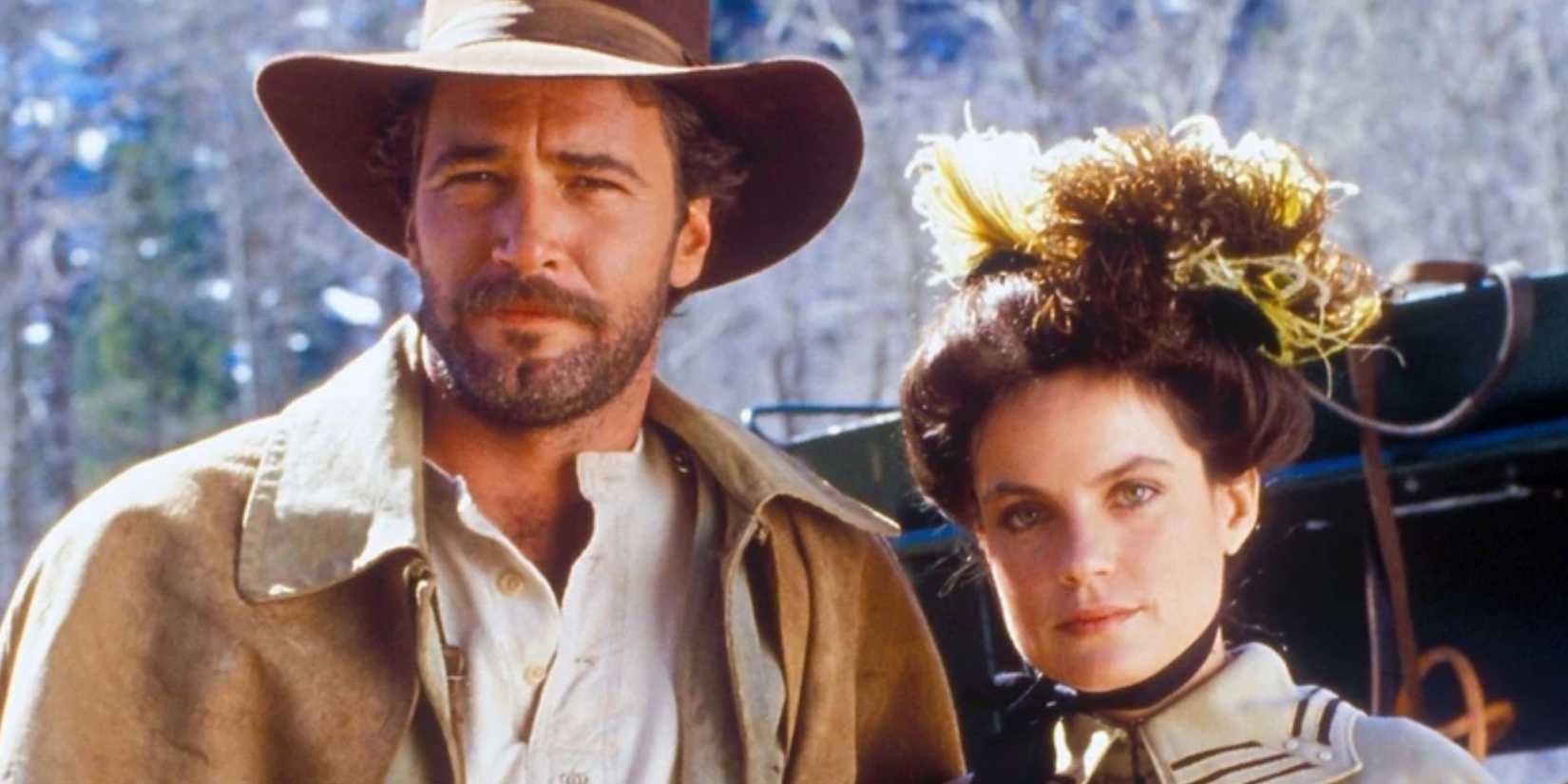
Ethan Allen Cord (Lee Horsley) and Amelia Lawson (Sigrid Thornton) on ‘Guns of Paradise’ (1988-1991)Image via CBS
Originally known as simply Paradise before being retitled as Guns of Paradise, this CBS program hit the airwaves at a time when viewers saw a brief resurgence of the genre on television. Shows like the equally great The Young Riders and the epic Lonesome Dove miniseries were making waves, and Guns of Paradise made some noise of its own. While it’s been left to the wayside compared to those other two programs, Paradise deserves its spot in the Western TV canon.
When Lee Horsley‘s Ethan Allen Cord, a longtime gunfighter, seeks to leave his life of violence, he settles in the titular California town to take care of his orphaned niece and nephews. Of course, upon arriving in Paradise, he falls for landowner Amelia Lawson (Sigrid Thornton), which comes with its own complications. While not listed among the best classic Western shows, Paradise is a three-season adventure worth undertaking.
‘Joe Pickett’ (2021–2023)
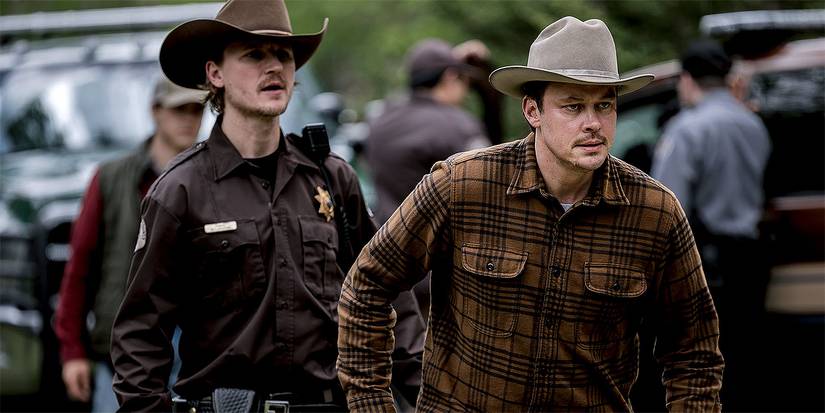
Michael Dorman as Joe PickettImage via Paramount+
Based on the series of novels by author C.J. Box, Joe Pickett is the only show on this list that is set in the up-to-date American West. But while the show itself may not be set in the time-honored genre time period, the titular hero is quite old-school himself. In fact, that’s exactly what draws us to Joe (Michael Dorman) in the first place.
Joe Pickett ran for two seasons before it was unceremoniously cancelled, with the Wyoming game warden investigating a series of mysteries in the wild lands that once humbled American explorers. While the show itself takes some liberties from its source material, it’s a stellar adaptation that is perfect for longtime fans or newcomers alike. It’s a two-season Western series perfect for a quick binge.
Collider Exclusive · Taylor Sheridan Universe Quiz
Which Taylor Sheridan
Show Do You Belong In?
Yellowstone · Landman · Tulsa King · Mayor of Kingstown
Four worlds. All of them brutal, complicated, and built on power, loyalty, and the price of survival. Taylor Sheridan doesn’t write heroes — he writes people who do what they have to do and live with the cost. Ten questions will reveal which one of his worlds you were made for.
Yellowstone
Landman
Tulsa King
Mayor of Kingstown
FIND YOUR WORLD →
01
Where does your power come from?
In Sheridan’s world, everyone has leverage. The question is what kind.
ALand, legacy, and a name that’s been feared and respected for generations.
BKnowing the deal better than anyone else in the room — and being willing to walk away first.
CReputation. I’ve earned it the difficult way, and everyone in the room knows it.
DBeing the only person both sides will talk to. That makes me indispensable — and unsafe.
NEXT QUESTION →
02
Who do you put first, no matter what?
Loyalty in Sheridan’s universe is always absolute — and always costly.
AFamily — blood or chosen. The ranch, the name, the people who carry it with me.
BThe company — or whoever’s signing the cheques. Loyalty follows the contract.
CMy crew. The men who stood with me when it counted — I don’t abandon them for anything.
DMy community — even when my community is a powder keg and I’m the only thing stopping it from blowing.
NEXT QUESTION →
03
Someone crosses a line. How do you respond?
Every Sheridan protagonist has a line. What matters is what happens after it’s crossed.
AQuietly, decisively, and in a way that sends a message to everyone watching.
BI outmanoeuvre them legally, financially, and politically before they even know I’ve moved.
CDirectly. Old school. You cross me, you hear about it to your face — and then you deal with the consequences.
DI absorb it, calculate the fallout, and find the move that keeps the whole system from collapsing.
NEXT QUESTION →
04
Where do you feel most in your element?
Sheridan’s worlds are as much about place as they are about people.
AWide open land — mountains, sky, silence. Somewhere you can see trouble coming from a mile away.
BThe oil fields of West Texas — brutal, lucrative, and indifferent to whoever happens to be standing on top of them.
CA mid-size city where the rules haven’t quite caught up yet — fertile ground for someone with vision and nerve.
DA rust-belt town built around a prison — where everyone’s life is shaped by what’s inside those walls.
NEXT QUESTION →
05
How do you feel about operating in the grey?
Nobody in a Sheridan show has immaculate hands. The question is how they carry the dirt.
AI do what has to be done to protect what’s mine. I’ll answer for it eventually — but not today.
BGrey is just business. The line moves depending on what’s at stake, and I move with it.
CI have a code — it’s not the law’s code, but it’s mine, and I don’t break it.
DI’ve made peace with it. Keeping the peace requires compromises most people don’t have the stomach for.
NEXT QUESTION →
06
What are you actually fighting to hold onto?
Every Sheridan character is fighting a war. The real question is what they’re defending.
AA way of life that the up-to-date world is doing everything it can to erase.
BMy position — and the leverage that comes with being the person everyone needs to close a deal.
CRelevance. I’ve been away, I’ve been written off — and I’m proving that was a mistake.
DWhatever frail order I’ve managed to build — because without it, everything burns.
NEXT QUESTION →
07
How do you lead?
Authority in Sheridan’s world is never given — it’s established, maintained, and constantly tested.
ABy example and force of will. People follow me because they believe in what I’m protecting — and because they know what happens if they don’t.
BThrough negotiation and leverage. I don’t need people to like me — I need them to need me.
CBy being the smartest, most experienced person in the room and making sure everyone quietly knows it.
DBy being the placid centre of a situation that would spiral without me — and accepting that nobody thanks you for it.
NEXT QUESTION →
08
Someone fresh arrives and tries to change how things work. Your reaction?
Every Sheridan show has an outsider disrupting an established order. Sometimes that outsider is you.
AThey’ll learn. Or they won’t. Either way, the land was here before them and it’ll be here after.
BI figure out what they want, what they’re worth, and whether they’re an asset or a problem — swift.
CI was the outsider once. I give them a chance — one — to show they understand respect.
DNew players destabilise everything I’ve built. I assess the threat and manage it before it manages me.
NEXT QUESTION →
09
What has your position cost you?
Nobody gets to where these characters are without paying for it. The bill is always personal.
AMy family’s peace — maybe their innocence. The ranch demands everything, and I’ve let it take too much.
BRelationships, time, any version of a normal life. The job eats everything that isn’t nailed down.
CYears. Decades in some cases. Time I can’t get back — but I’m not done yet.
DMy conscience, mostly. And the ability to ever fully trust anyone on either side of the wall.
NEXT QUESTION →
10
When it’s over, what do you want people to say?
Sheridan’s characters all know the ending is coming. The question is what they leave behind.
AThat I held the line. That the land is still ours and everything I did was worth it.
BThat I was the best at what I did and that no deal ever got closed without me at the table.
CThat I built something real, somewhere nobody expected it, and I did it on my own terms.
DThat I kept the peace when nobody else could — and that the town is still standing because of it.
REVEAL MY SHOW →
Sheridan Has Spoken
You Belong In…
The show that claimed the most of your answers is the world you were built for. If two tied, both are shown — you’re complicated enough to straddle two Sheridan universes.
Yellowstone
Landman
Tulsa King
Mayor of Kingstown
You are a Dutton — or you might as well be. You understand that some things are worth protecting at any cost, and that the up-to-date world’s indifference to history, to land, to legacy, is not something you’re willing to accept quietly. You lead from the front, you carry your family’s weight without complaint, and when someone threatens what’s yours, you don’t escalate — you finish it. You’re not cruel. But you are absolute. In Yellowstone’s world, that combination of ferocity and loyalty doesn’t make you a villain. It makes you the only thing standing between everything that matters and everyone who wants to take it.
You thrive in the chaos of high-stakes negotiation, where the money is enormous, the margins are slim, and the wrong word in the wrong room can cost everyone everything. You’re a fixer — the person called when a situation is already on fire and needs someone with the nerve to walk into it. West Texas oil country rewards exactly what you are: acute, adaptable, unsentimental, and absolutely clear-eyed about what people want and what they’ll do to get it. You’re not naive enough to think this world is fair. You’re astute enough to be the one deciding who it’s fair to.
You are a Dwight Manfredi — someone who has served their time, paid their dues, and arrived somewhere unexpected with nothing but their reputation and their wits. You adapt without losing yourself. You build loyalty through respect rather than fear, though you’re not above reminding people that the two aren’t mutually exclusive. Tulsa King is for people who are still standing when everyone assumed they’d be finished — who find, in an unfamiliar place, that they’re more capable than the world gave them credit for. You don’t need a throne. You build one, wherever you happen to land.
You carry the weight of a system that is broken by design, and you do it anyway — because someone has to, and because you’re the only one positioned to do it without the whole thing collapsing. Mike McLusky’s world is for people who are comfortable operating where there are no good options, only less catastrophic ones. You speak every language: law enforcement, criminal, political, human. That fluency makes you invaluable and it makes you a target. You’ve made your peace with both. Mayor of Kingstown belongs to people who understand that keeping the peace is not the same as being at peace — and who do the job regardless.
↻ RETAKE THE QUIZ
‘The Rebel’ (1959–1961)
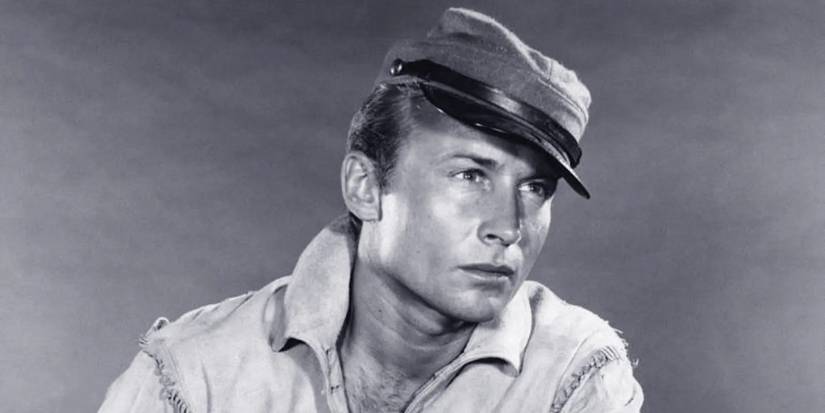
Nick Adams as Johnny Yuma on a promotional picture for ‘The Rebel’Image via ABC
“Johnny Yuma was a rebel, he roamed through the west.” If you’re at all familiar with that classic Johnny Cash tune, then you already know something about The Rebel. This ABC Western followed the ex-Confederate Johnny Yuma (Nick Adams) as he, well, roamed about the Old West. Yuma got into all sorts of trouble, but it never stopped him from doing the right thing.
The Rebel ran for two long seasons, adding up to 76 episodes total — though it never quite felt so long with only half-hour installments — as Yuma rambled across the country. Like Cheyenne, The Rebel tackled many of the usual Western plots that different shows often recycled, though it always did so with Adams’ stone-faced charm. Ironically, the plot of The Hateful Eight was stolen from this show.
‘The Son’ (2017–2019)
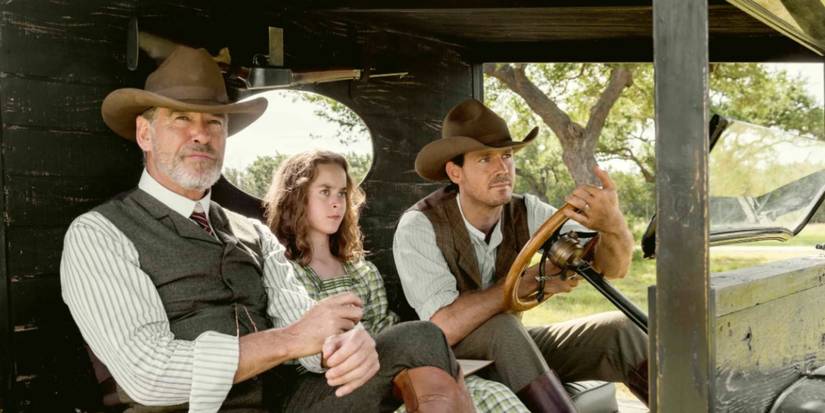
Pierce Brosnan, Sydney Lucas, and Henry Garrett as Eli, Jeanie, and Pete McCullough sitting in a car outside in ‘The Son.’Image via AMC
Although The Son began a year before Yellowstone, this AMC drama is often overshadowed in favor of the Dutton drama. But while The Son is also about a family ranching legacy, it spans across several time periods and multiple generations to do so. The two-season series follows patriarch Eli McCullough (Pierce Brosnan) in his aged age, juxtaposing his future with his past (where he’s played by Jacob Lofland) to tell a complete story of the sacrifices made for his family.
The Son is the type of Western series perfect for the streaming era. With a concise 20-episode run that pulls from the novel of the same name by Philipp Meyer, AMC outdid themselves with this addictive Texas-based narrative that speaks firmly to the same issues Taylor Sheridan would meditate on with his multi-installment franchise. That said, The Son arguably does it better.
‘Billy the Kid’ (2022–2025)
It’s difficult to say that a show that literally just ended is a “forgotten” Western series, but considering most don’t even know Billy the Kid exists, we’ll argue that it qualifies. The Epix-turned-MGM+ series followed the title American outlaw (played by Tom Blyth) as he steps in the middle of the famed Lincoln County War, only for his life to be turned completely upside down. From his tragic upbringing as his family migrated West to his “fated” ending, this show will thoroughly surprise you at every turn.
Part of the reason for that is that the show doesn’t allow itself to be shackled by complete historical accuracy. While based on Billy’s real-life exploits, the truth is that Billy the Kid departs considerably from the legitimate historical account. So, if you can get over the inaccuracies and enjoy the MGM+ drama as a legendary take on the Wild West mythos, you’ll love Billy the Kid. As one of the most underrated Westerns of our day, it deserves to be remembered fondly by fans of the genre.
‘The Loner’ (1965–1966)
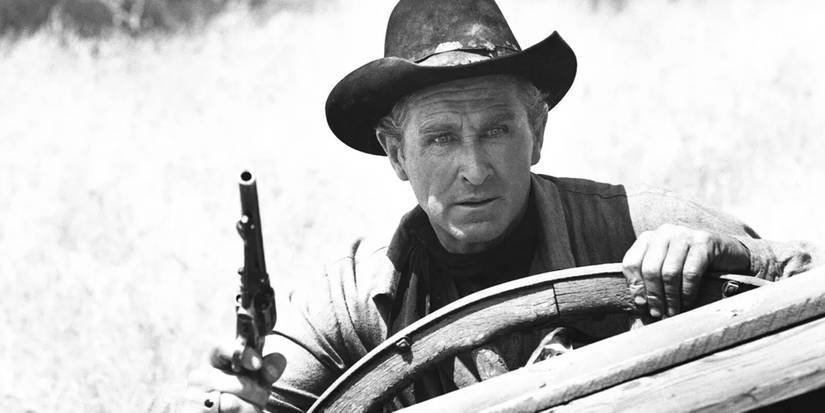
William Colton (Lloyd Bridges) in a firefight on ‘The Loner.’Image via CBS
As one of the most criminally forgotten Western shows out there, The Loner was Rod Serling‘s post-Twilight Zone adventure westward. Wanting to make an “adult” Western that appealed to the thinking men in the audience, he dreamed up former Union captain William Colton (Lloyd Bridges) who, like the typical Old West hero, drifts west and finds himself in the middle of more trouble than he bargained for. Yet, Colton is a man who can handle such difficulties with a chilly, enrapturing ease.
The Loner only ran for a single 26-episode season, but it’s a show that still holds up after all this time. Serling’s artistic vision for the genre is certainly unique, and though quite different from the various Twilight Zone Westerns he tackled over the years, it still feels undeniably Serling in its approach. It wasn’t all about gunfights or action, but it did aim for a realism not reached by many horse operas at the time.


COMMENTS