
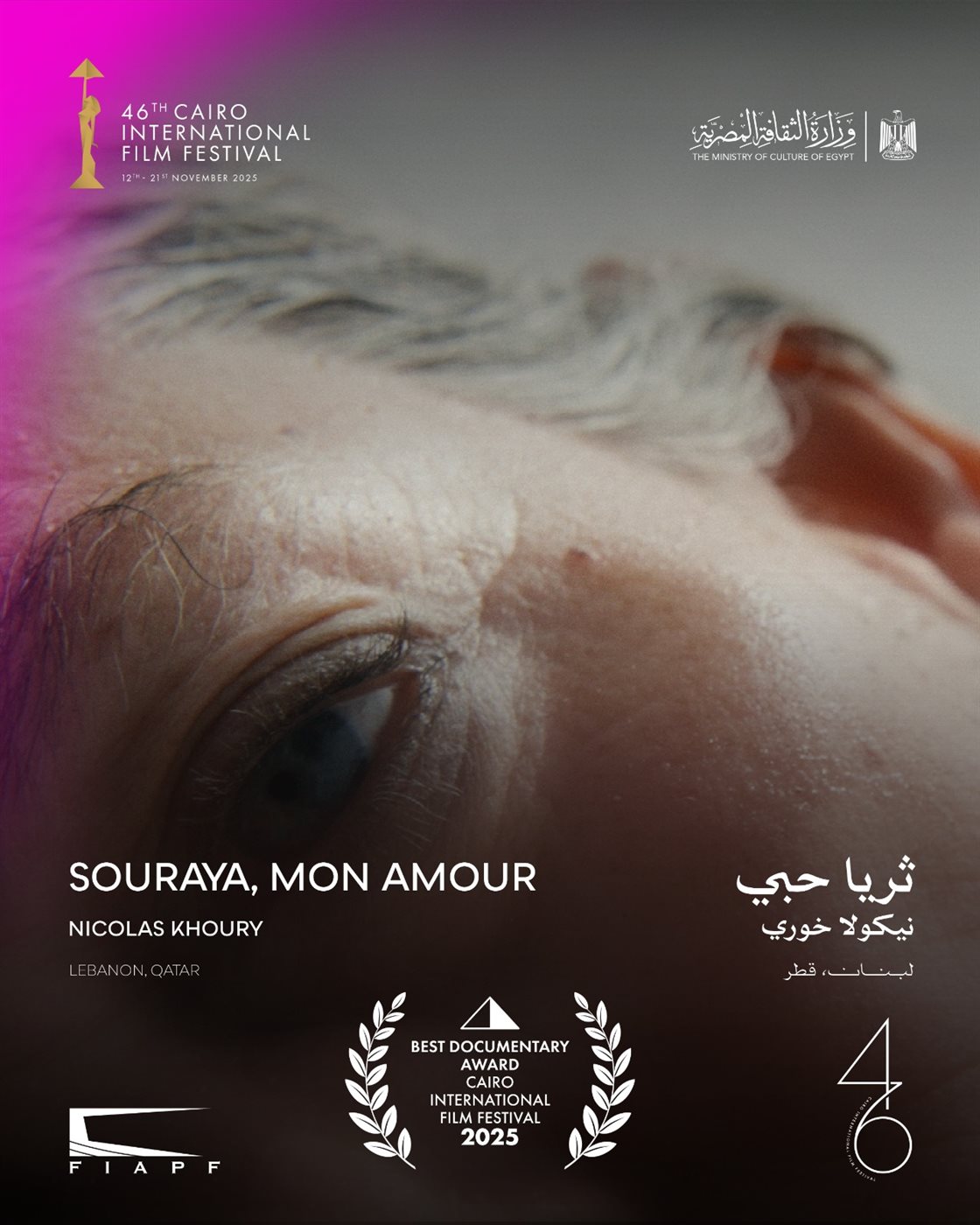
In its world premiere at the 46th Cairo International Film Festival, Souraya, Mon Amour emerges as one of the most intimate and emotionally resonant d
In its world premiere at the 46th Cairo International Film Festival, Souraya, Mon Amour emerges as one of the most intimate and emotionally resonant documentaries of the year—a work that threads together memory, grief, and the reconstruction of a life lived in the shadow of an extraordinary love story. Directed with lyrical restraint by Nicolas Khoury, the film invites viewers inside the private universe of Souraya Baghdadi, the Lebanese actress, dancer, and lifelong artistic partner of the late filmmaker Maroun Baghdadi.
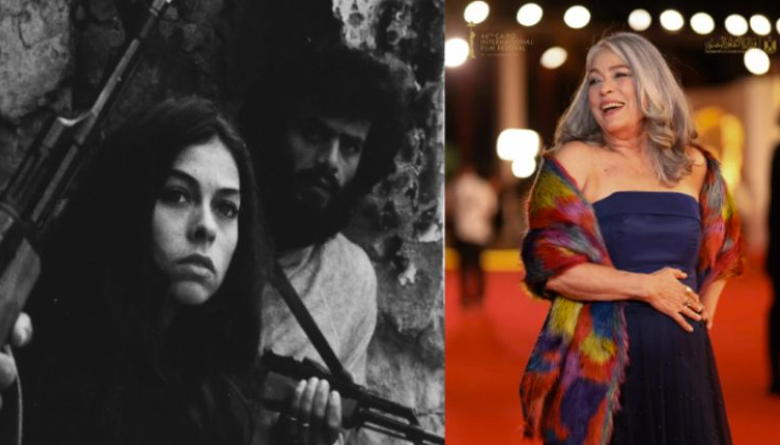
A Portrait Written in Light, Silence, and the Echoes of an Absent Voice
More than three decades after Maroun’s sudden death in 1993, Khoury reopens a door that had remained firmly closed. His camera observes—not intrusively, but with reverence—as Souraya confronts the fragments of her past: love letters, handwritten notes, still photographs, and footage from Baghdadi’s 1982 film Little Wars, the set on which they first met during Lebanon’s civil war.
Khoury shapes these materials into a cinematic mosaic where memory becomes both witness and protagonist. The documentary is not concerned with reconstructing a biography; it is concerned with reconstructing a feeling—how a presence continues after absence, how love persists as a vibration beneath the skin.
The Body as Archive
At 67, Souraya moves with the discipline of a dancer and the contemplative stillness of a meditator. The film examines her body as a vessel of experience—bearing the physical echoes of performance, birth, exhaustion, and trauma. Through quiet routines, gestures, and breath, she reveals more than any spoken dialogue could manage.
Khoury’s lens captures her in moments of profound solitude: rereading Maroun’s letters, revisiting their conversations, peeling back layers of loss without theatrics. The most affecting scenes arise not from tears, but from the calm clarity of someone who has made peace with the ghosts that shape her.
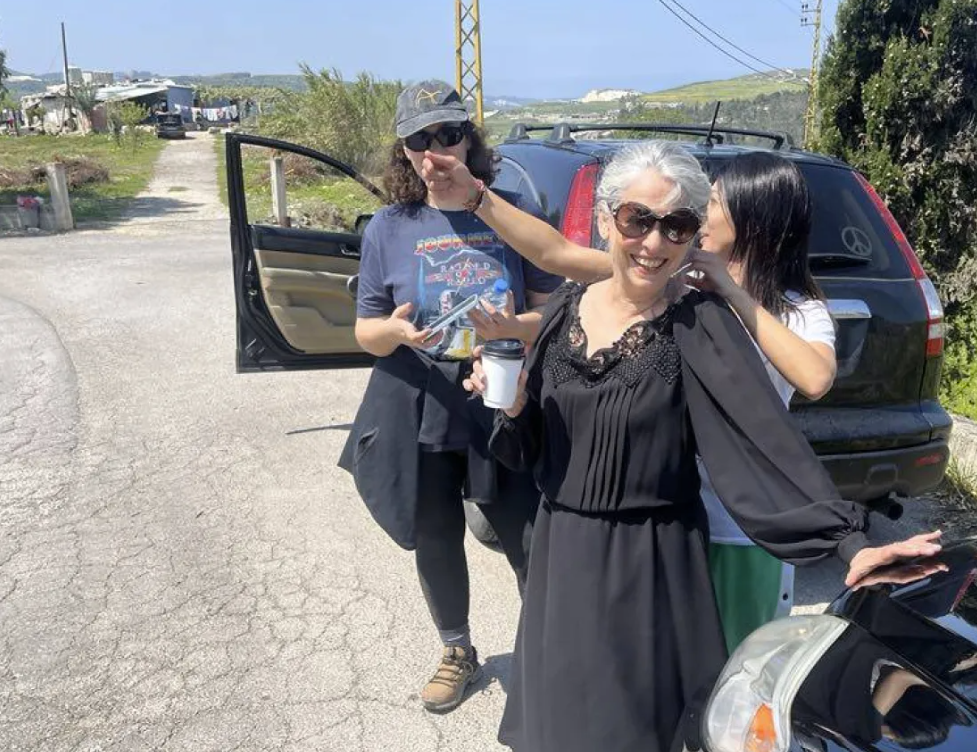
Four Years of Filming, and a Lifetime of Stories
In post-screening conversations, Khoury revealed that the film’s creation spanned more than four years, built on more than 150 hours of recorded conversations. The challenge, he said, was not merely to document, but to sculpt—removing, compressing, and distilling until the emotional core emerged with precision.
For Souraya, the process was both cathartic and destabilizing. Revisiting Maroun’s letters, she admits, remained one of the most difficult tasks:
“To read something once is hard. To read it again for the camera—three times—felt like reopening a wound just beginning to heal.”
And yet, she says the film finally allowed her to feel “a deeper, quieter connection” with Maroun—one freed from grief and anchored in memory.
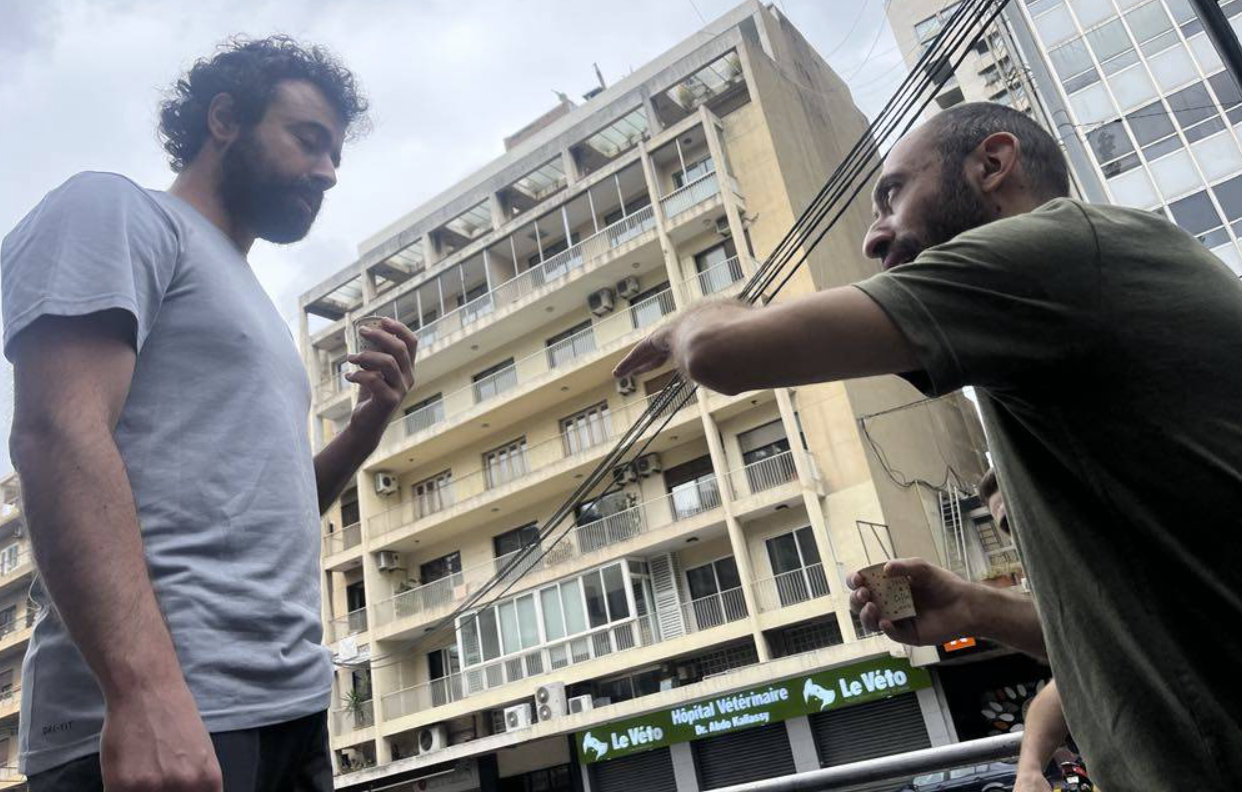
A Cinematic Love Letter to the Unseen Spaces of a Life
By resisting political detours and avoiding the temptation to dramatize Lebanon’s turbulent history, Khoury remains faithful to the interior story: a woman, an artist, attempting to redefine herself after the loss of the love that shaped her.
His editing blends past and present into a single temporal stream—an elegant reminder that memory is not linear, but alive, shifting, and unpredictable.
The result is a documentary that feels handcrafted, intimate, and haunting in its emotional clarity.
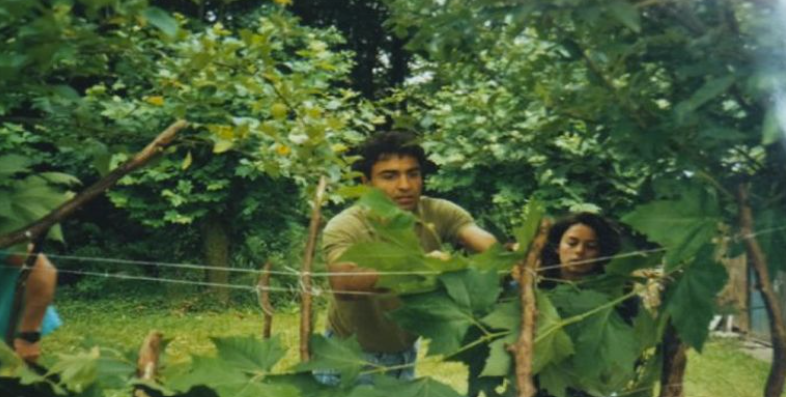
A Rare Window into Arab Cinematic Legacy
One of the film’s most striking achievements is how it reintroduces global audiences to the legacy of Lebanese cinema through the lens of Maroun Bagdadi’s work. Often cited as one of the Arab world’s most influential filmmakers, Bagdadi left behind a body of films that explored political fissures and human fragility with unmatched sensitivity. Souraya, Mon Amour becomes, in part, an act of cinematic preservation—reviving the emotional landscapes of Little Wars and bridging past and present through an archival language that feels both urgent and timeless. For scholars and cinephiles, the film offers a rare, intimate extension of a narrative once thought complete.
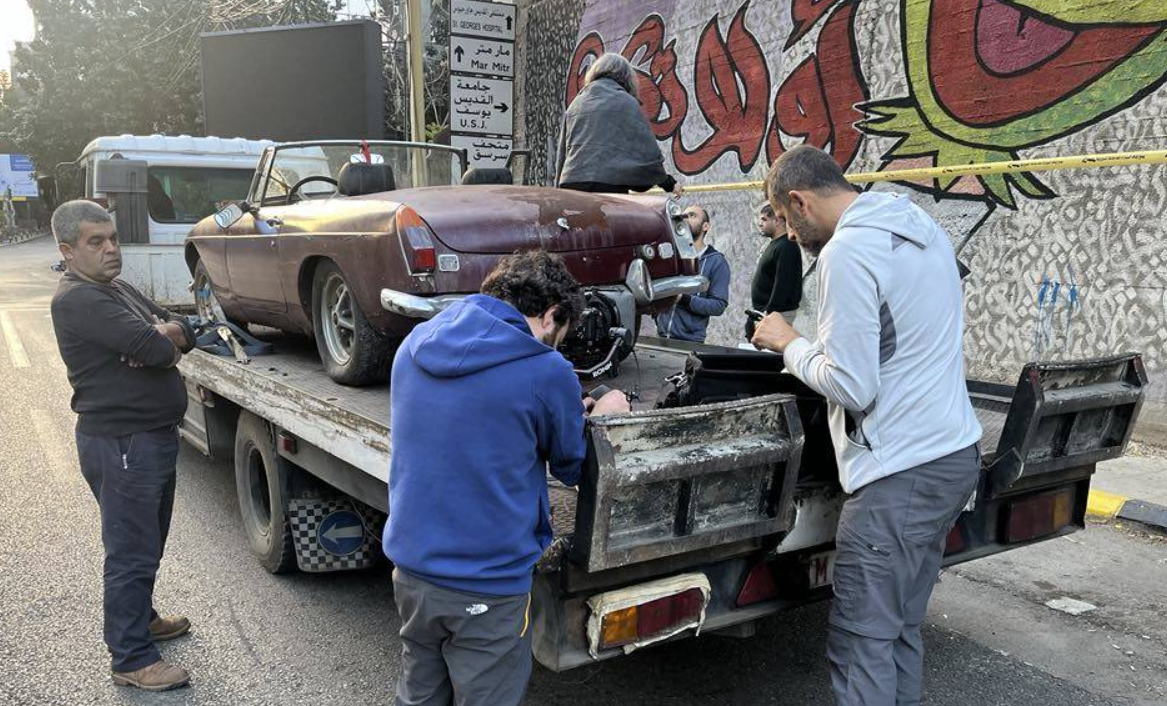
A Documentary Shaped by Trust, Vulnerability, and Precision
The emotional clarity of the film is rooted in the trust between Souraya and director Nicolas Khoury. This is not a documentary built on observation alone; it is built on a relationship of vulnerability, negotiation, and shared authorship. Khoury’s approach—gentle yet exacting—allows Souraya to speak in her own rhythm, to hold silence when silence communicates more than words. The structural delicacy of the film, shaped over a year and a half in editing, reflects a commitment to truth rather than chronology. The result is a portrait that transcends biography, inviting viewers to consider how memory functions as both refuge and mirror, revealing the parts of ourselves we often keep hidden.
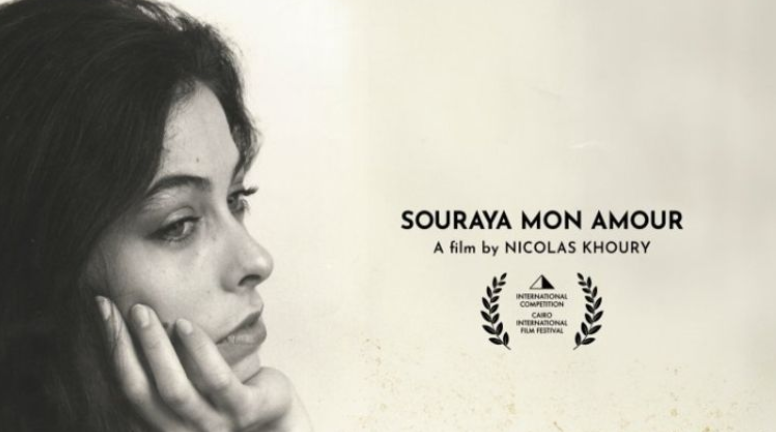
A Standout of CIFF’s International Competition
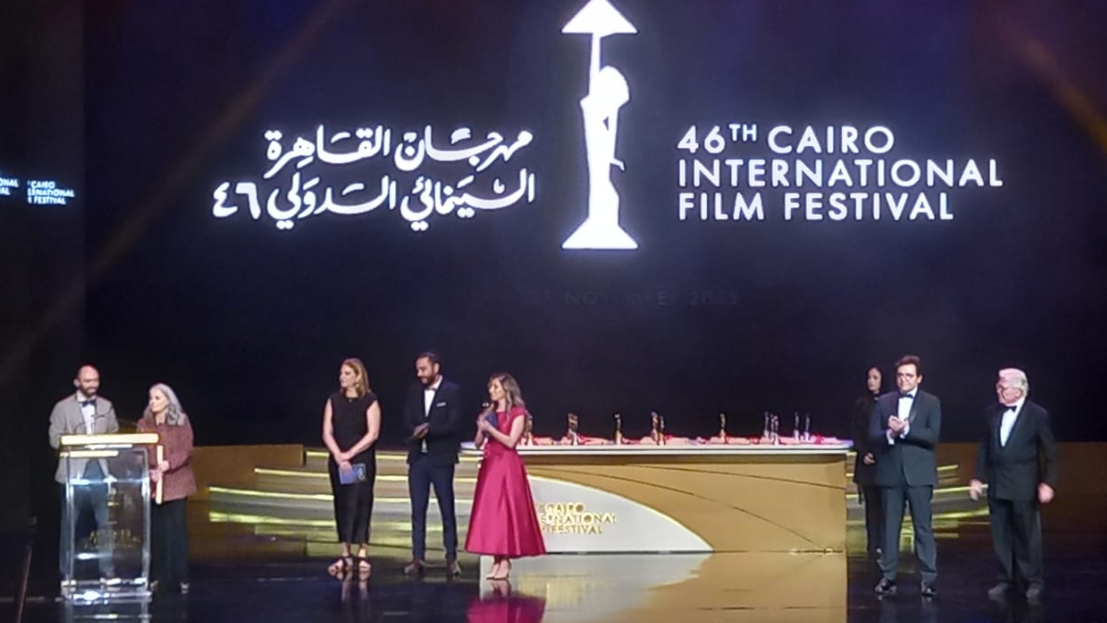
Winning Best Documentary Film at CIFF 46, Souraya, Mon Amour establishes itself as a benchmark for personal documentary cinema—an exploration of love that lingers, of silence that speaks, and of memory that refuses to fade.
It is not merely a film about grief; it is a film about continuation, resilience, and the invisible threads that tether us to those we have lost.
For international audiences, it stands as a testament to the artistry emerging from Lebanon and the Arab world—work that is courageous in its vulnerability and universal in its emotional reach.
Film Credits
Director: Nicolas Khoury
Subject / Protagonist: Souraya Baghdadi
Archival Material: Little Wars (Maroun Bagdadi, 1982)
Production: Lebanon – Qatar
World Premiere: Cairo International Film Festival, International Competition
Award: Best Documentary Film, CIFF 2025
By Sari Albeder – CIFF46


COMMENTS