
Hollywood has always been a convenient villain for Donald Trump, despite his own thirsty history with the industry. Before running for president, he
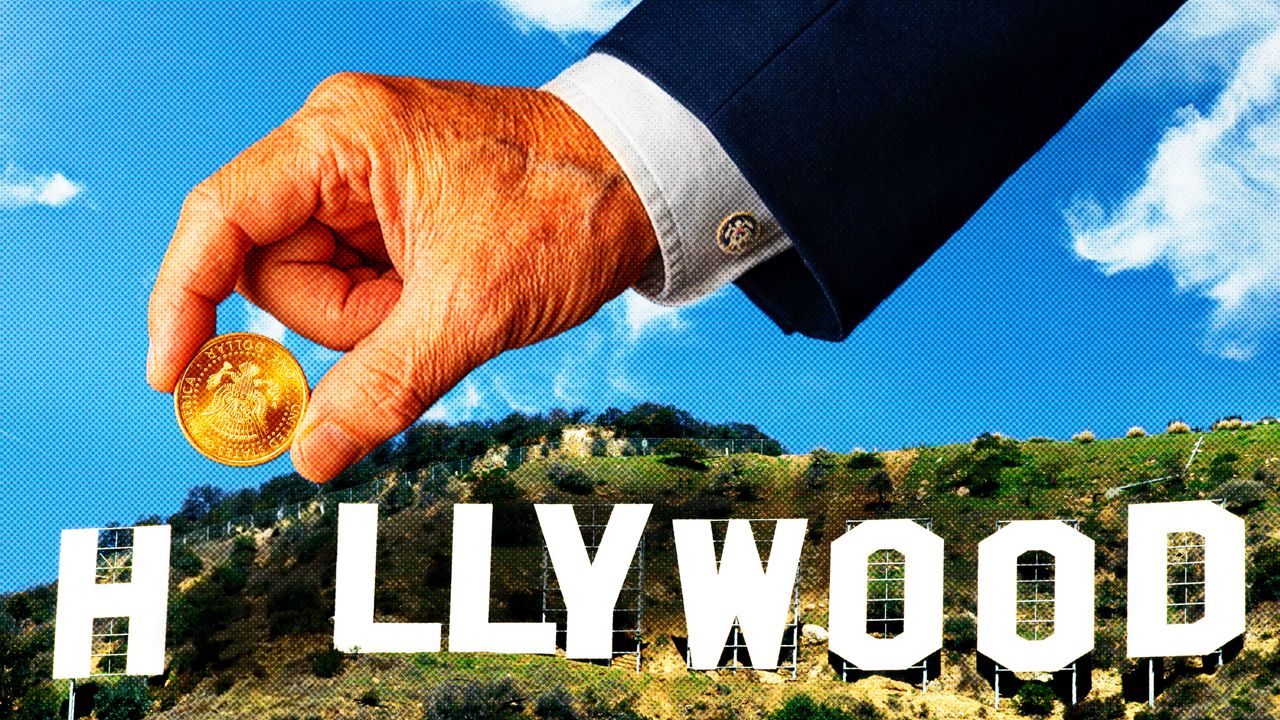
Hollywood has always been a convenient villain for Donald Trump, despite his own thirsty history with the industry. Before running for president, he popped up in several movies, won a Razzie for his performance in Ghosts Can’t Do It, attended the Oscars, and even became a reality-TV star on The Apprentice. As a politician though, he’s called the industry “racist” and said its movies were “dangerous for our country.” Meanwhile Hollywood leaders found a useful antagonist in Trump.
But, it turns out that money actually can mend broken relationships. On Tuesday, some of the entertainment industry’s leaders were suddenly striking a much different posture toward the president as they discussed bipartisan efforts to establish a federal film and television production incentive.
SAG-AFTRA president Sean Astin, Chairman and CEO of the Motion Picture Association Charles Rivkin, and US Rep. Laura Friedman, whose district includes Hollywood, praised President Trump for pushing congress to adopt the incentives during a virtual press conference. “Donald Trump comes from entertainment. He understands it,” Friedman said. “Having him be a supporter has made a huge and tremendous difference.”
Just days earlier, Astin and SAG’s national executive director, Duncan Crabtree-Ireland, went even further in an official statement, lauding Trump’s leadership, and calling his efforts to pass a federal tax credit, “exactly what the entertainment industry needs.” For context, Astin called Trump a “disgusting monster,” in 2019.
Freidman, a Democrat, even appeared to take a veiled shot at the Biden administration for failing to get a federal tax credit passed: “The best time to have done this would’ve been four years ago, maybe five years ago. The second best time would be tomorrow.”
This newfound appreciation for Trump goes to show how desperate Hollywood is to prevent film and television production from leaving the United States. It’s also evidence of how quickly political differences can fade when jobs are at stake.
At first, Trump was trying to stop runaway production by proposing tariffs on foreign movies but that proposal created fears among industry leaders about rising costs and the possibility of other countries retaliating with their own tariffs. But, according to Republican Congressman of Georgia Brian Jack, Jon Voight–whom Trump appointed as Special Ambassador to Hollywood–played a very influential role in pushing the president toward the idea of a federal tax credit—an idea leaders in California, including Senator Adam Schiff, have been pursuing for quite some time. Then last month, the president called on Congress to approve the federal incentive designed to make the United States competitive with other countries that are luring production away.
“We all saw the kind of evolution of the president’s direction on this,” said Jack. “That is because of Jon Voight.”
The president’s efforts to secure a federal tax credit for Hollywood has created an unlikely coalition that includes Trump allies, congressional Democrats, studios, and some of organized labor’s most powerful institutions. The Motion Picture Association, SAG-AFTRA, DGA, IATSE, and Teamsters are all supporting federal action.

