
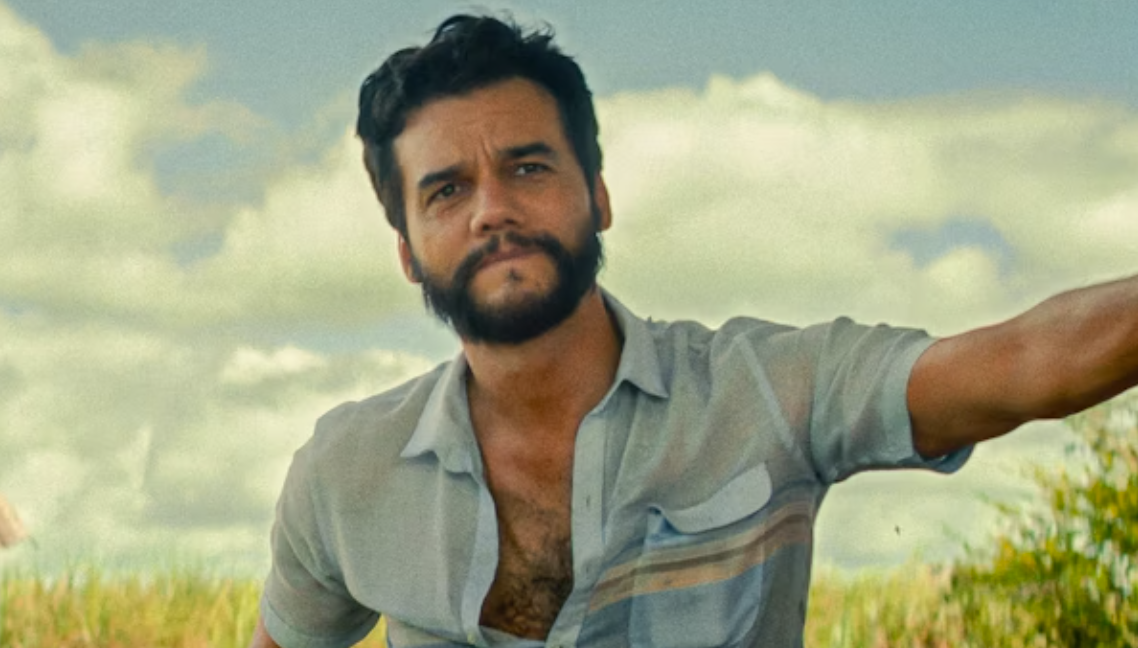
In The Secret Agent, Brazilian filmmaker Kleber Mendonça Filho crafts a dense and atmospheric cinematic journey into one of the darkest chapters of Br
In The Secret Agent, Brazilian filmmaker Kleber Mendonça Filho crafts a dense and atmospheric cinematic journey into one of the darkest chapters of Brazil’s modern history. Presented in competition at the 2025 Cannes Film Festival, the film blends political drama, historical reflection, and moments of darkly ironic suspense, creating a work that is less a conventional thriller than a layered meditation on memory, repression, and survival.
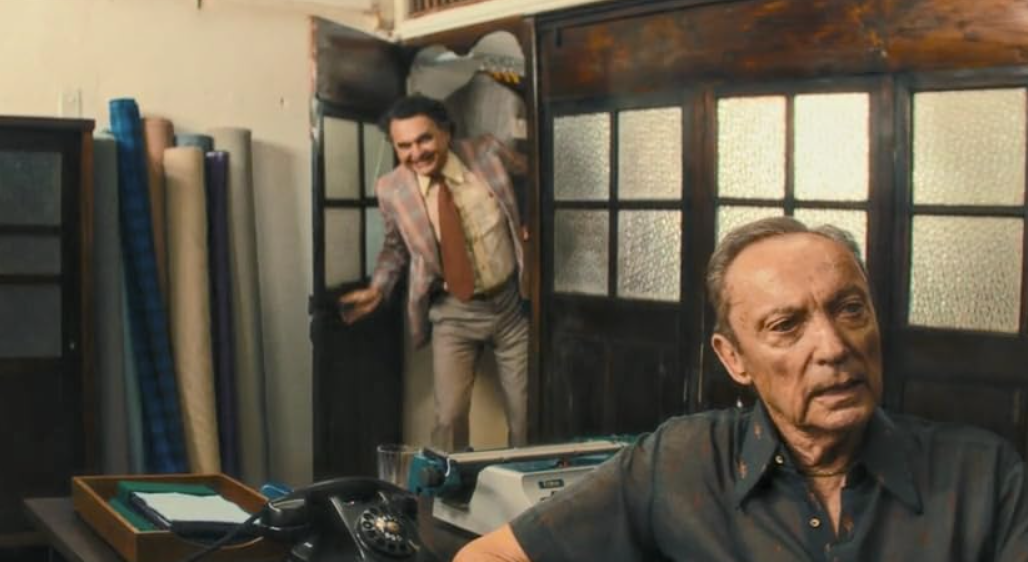
Set in Recife in 1977, during the height of Brazil’s military dictatorship, the film follows Marcelo, portrayed with remarkable restraint by Wagner Moura, a widowed scientist forced into hiding after becoming entangled in a dangerous political situation. Living under a new identity and constantly aware of the invisible machinery of state surveillance, Marcelo navigates a society where suspicion is pervasive and loyalty can quickly become a liability.
Rather than adopting the straightforward rhythms of a spy narrative, Mendonça Filho constructs the film as a mosaic of intersecting lives and hidden histories. Marcelo finds refuge in a modest apartment building that quietly shelters several individuals pursued by the regime. The building’s elderly caretaker, Dona Sebastiana—memorably played by Tânia Maria—serves as both protector and moral anchor for this improvised community of dissidents.
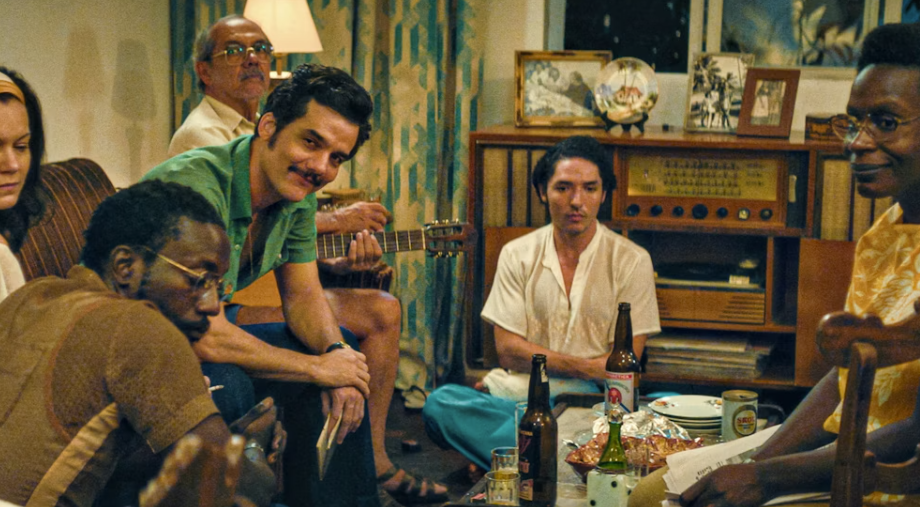
The director’s fascination with cinema itself subtly permeates the film’s visual language. Recife is rendered through a tactile recreation of the 1970s, filled with vintage posters, bustling cinemas, and the everyday textures of a city simultaneously alive and suffocated by authoritarian rule. Cinematographer Evgenia Alexandrova captures the humid vibrancy of the coastal city through wide Panavision frames that juxtapose moments of communal warmth with the looming presence of violence.
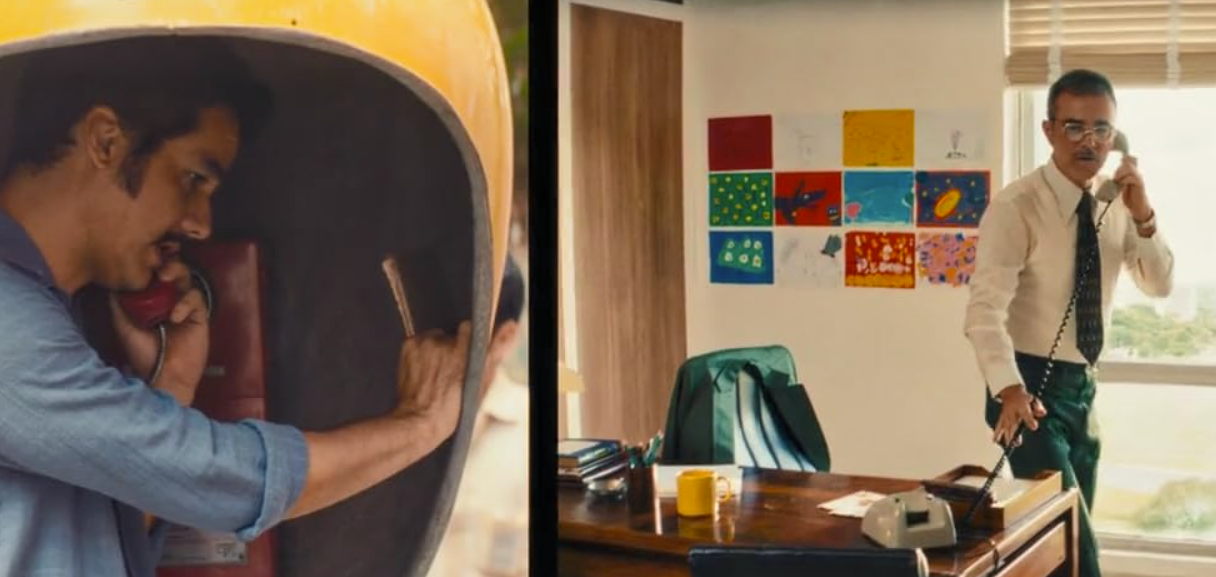
At the heart of the film lies Moura’s performance. His Marcelo is a man carrying both personal grief and political responsibility. Moura resists melodrama, instead conveying tension through silence and observation, turning the character into a symbol of quiet resistance in a world where speaking openly can mean death.
Mendonça Filho also injects the narrative with unexpected tonal shifts, including absurd and almost surreal elements that reflect the strange psychological landscape of life under dictatorship. Rumors, urban legends, and fragments of popular culture circulate through the story, suggesting how societies under repression develop coded ways of communicating fear and defiance.
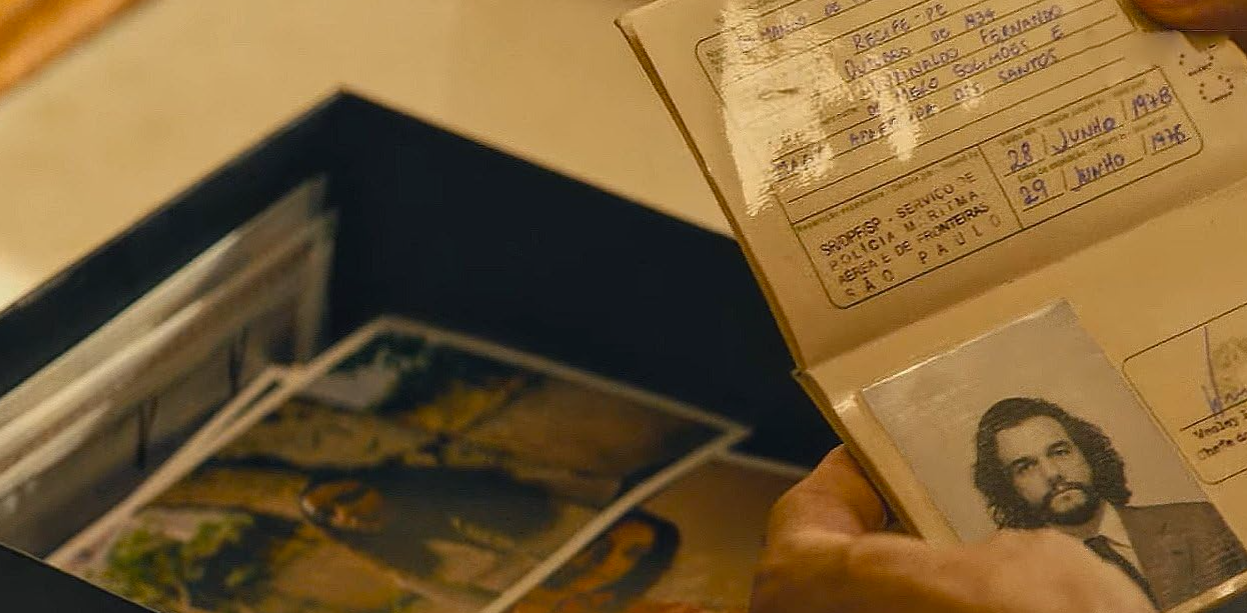
Structurally, the film expands beyond its 1970s setting through a framing device that revisits these events from a contemporary perspective. This temporal shift reinforces the film’s central theme: that the unresolved traumas of authoritarianism continue to echo through modern Brazilian society. Rather than providing easy resolution, The Secret Agent leaves its audience contemplating the fragile line between historical memory and collective amnesia.
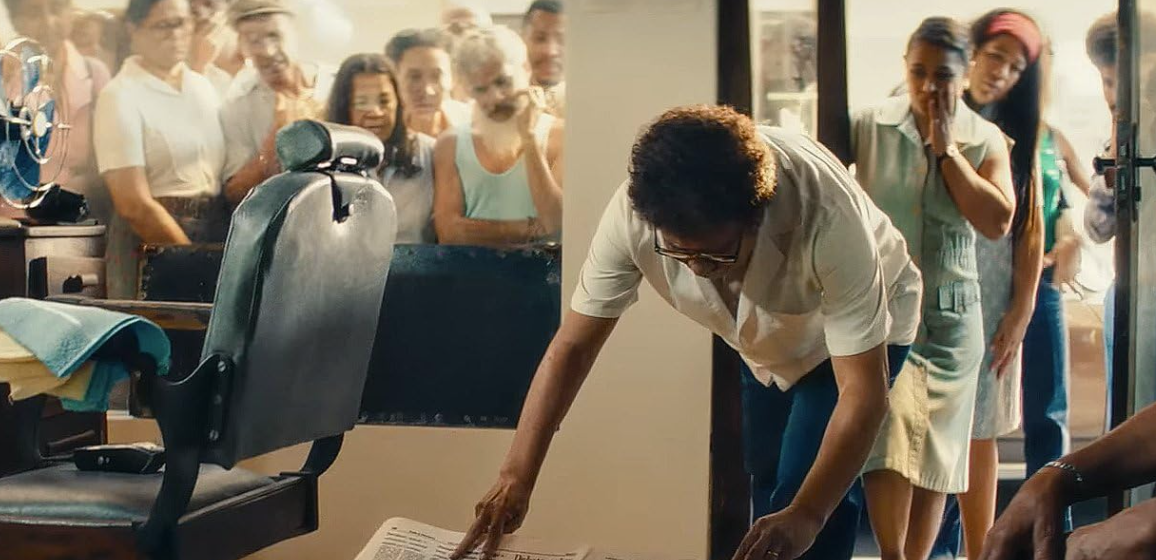
What ultimately distinguishes Mendonça Filho’s film is its fusion of intimate human drama with historical consciousness. While filled with political intrigue, the narrative remains anchored in personal stories—family bonds, moral choices, and the quiet determination to preserve dignity in the face of systemic brutality.
With The Secret Agent, Mendonça Filho delivers one of his most ambitious works to date, confirming his place among contemporary cinema’s most thoughtful chroniclers of political history. Premiering on the Croisette in Cannes, the film stands as both a gripping period piece and a reminder that the shadows of authoritarian power rarely disappear—they merely change shape across generations.
By Hikmat Majeed – Cannes Film Festival 2025


COMMENTS