

At the Amman International Film Festival 2025, one of the most quietly powerful films to emerge from the Arab Documentary Competition was (Y)Our Mothe
At the Amman International Film Festival 2025, one of the most quietly powerful films to emerge from the Arab Documentary Competition was (Y)Our Mother, the debut feature by Moroccan-Belgian filmmaker Samira El Mouzghibati. Awarded Best Arab Feature Documentary, the film stood out not for its urgency or provocation, but for its emotional precision — an intimate excavation of motherhood, sisterhood, and the unspoken fractures that shape family life.
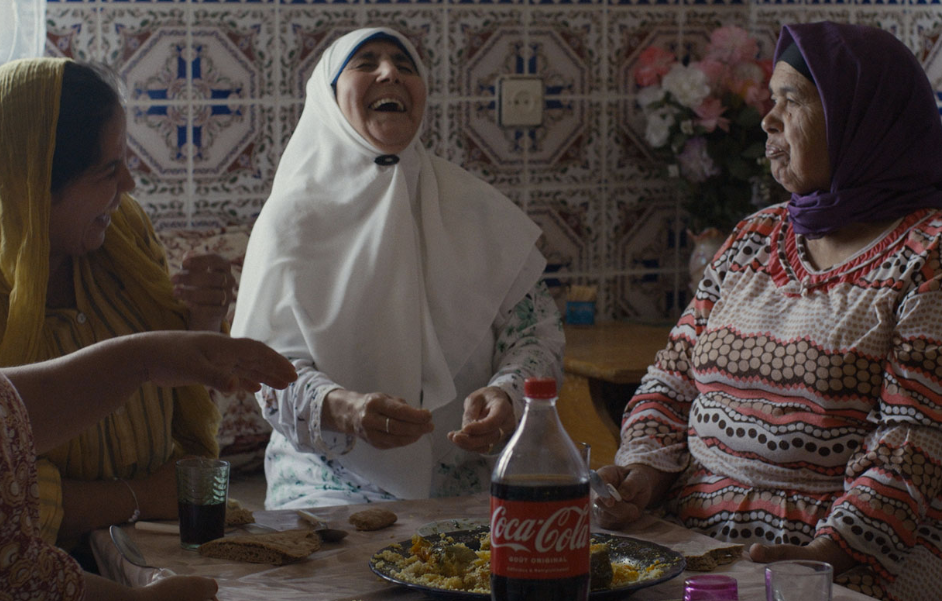
Shot from within her own family circle, (Y)Our Mother is a first-person documentary that unfolds like a long-delayed conversation. It begins with a phone call that spirals into conflict, estrangement, and silence — a rupture between Samira and her mother that feels both deeply personal and painfully universal. From this point of fracture, the film slowly moves toward confrontation and possible reconciliation, not through dramatic revelations, but through listening.
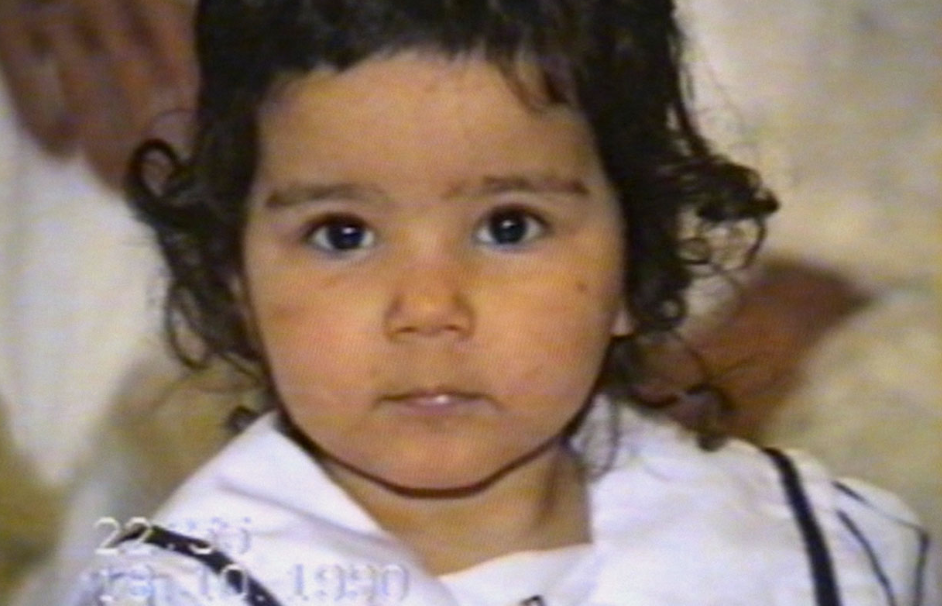
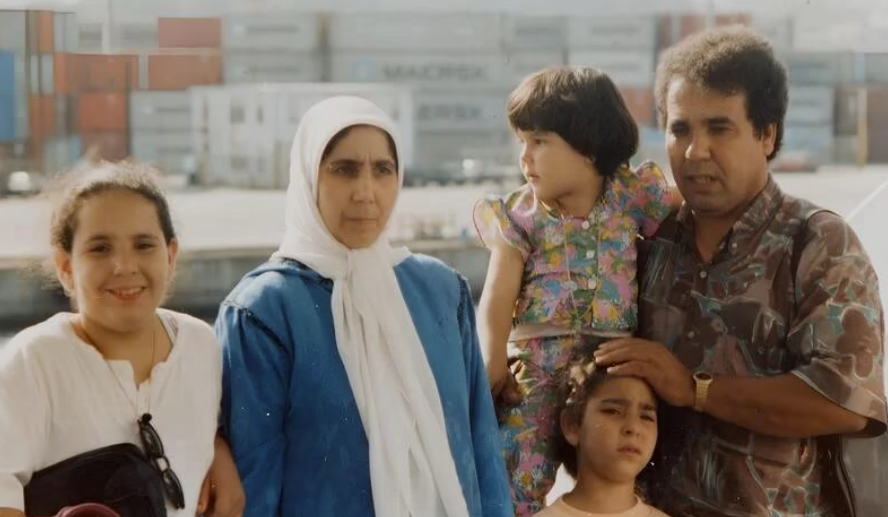
As the youngest of five sisters, El Mouzghibati grew up largely under the care of her siblings. Her mother, Yuma, remained present yet distant — emotionally opaque, rarely afforded the space to articulate her own story. The telling linguistic detail that anchors the film is the sisters’ habit of referring to her as “your mother” rather than “our mother,” a phrase that encapsulates years of unresolved tension, grief, and emotional displacement.
Rather than assigning blame, El Mouzghibati turns her camera into a shared table — a place where women speak, hesitate, interrupt, and sometimes fall silent. Each sister embodies a different trajectory of womanhood: early marriage, divorce, independence, delayed liberation. Their conversations reveal not only divergent choices, but a shared struggle to define what family means when love is inseparable from constraint.
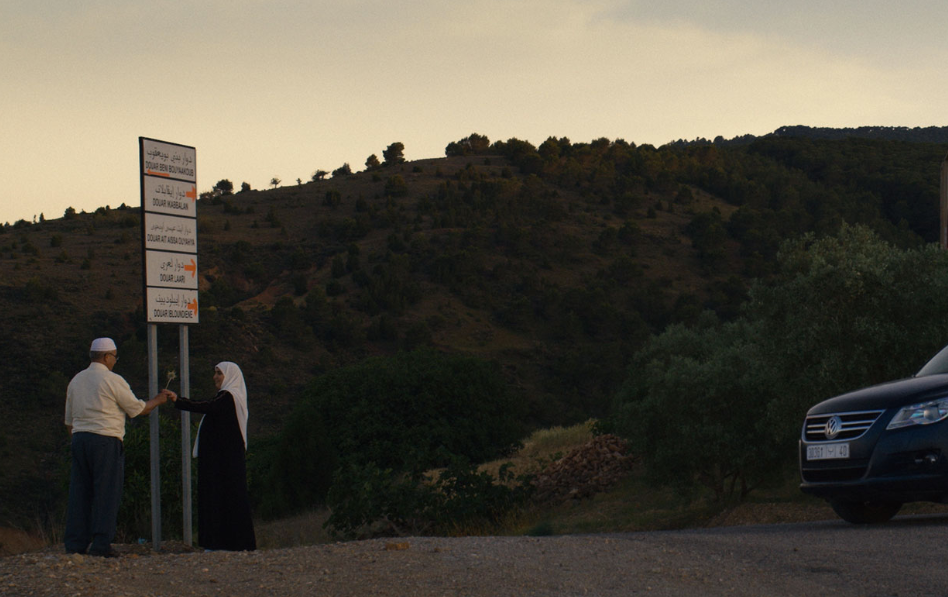
At the heart of the film lies the figure of the mother herself. Through fragmented recollections, we learn of her arrival in Belgium from Morocco’s Rif region — newly married, uprooted, encouraged to assimilate into a society that felt alien and hostile. Cinema, which her husband believed would open her to the modern world, instead confronted her with images of war and sexual freedom that repelled her. In response, she chose religion and modesty — not as submission, but as a form of self-determined freedom. It is a revelation that arrives quietly, reshaping the daughters’ understanding of the woman who raised them.
One of the film’s most striking strengths is its refusal to flatten complexity. (Y)Our Mother dwells in moral grey zones: a mother who loves her children yet accepts traditions that limit them; a family that protects itself through silence; a sister who only discovers autonomy at fifty after a lifetime of imposed choices. El Mouzghibati does not seek catharsis — she seeks recognition.
Formally, the documentary is restrained and patient. The camera lingers on pauses, glances, unfinished sentences. There is no explanatory voiceover, no guiding hand. This openness allows the film to become what it ultimately is: a tool for repair. Gradually, through shared memories and halting confessions, the possessive “your” begins to shift toward “our.” The mother, long held at a distance, is finally allowed to exist not as an abstract figure of authority or pain, but as a woman shaped by her own losses.
Produced by Michigan Films, Pivonka Production, and Visualantics, and with international sales handled by Hors du Bocal, (Y)Our Mother had already garnered major recognition prior to Amman, winning both the FIPRESCI Award and the Zonta Award at Visions du Réel. Its success at Amman confirms the film’s resonance within Arab cinematic discourse — particularly its focus on women’s inner lives, intergenerational dialogue, and the emotional cost of inherited traditions.
In a festival edition themed “An Unscripted World,” (Y)Our Mother felt profoundly aligned with that vision. It is a film that does not script forgiveness, nor does it promise resolution. Instead, it offers something rarer: the courage to sit with discomfort, to let mothers speak, and to acknowledge that love can survive even when language fails.
At Amman Film Festival 2025, Samira El Mouzghibati’s debut emerged as a landmark documentary — not because it resolves family trauma, but because it dares to look at it with tenderness, honesty, and patience.
By Sari Albeder – Theworldscreen – Amman Film Festival 2025


COMMENTS