
At the Cannes Film Festival 2025, the past did not merely return—it was reborn on the big screen. Through the celebrated Cannes Classics section, the
At the Cannes Film Festival 2025, the past did not merely return—it was reborn on the big screen. Through the celebrated Cannes Classics section, the festival once again demonstrated that cinema’s history is not a museum relic but a living, breathing art form. Restored masterpieces, rediscovered gems, and documentaries about filmmaking transformed this strand into one of the most intellectually stimulating corners of the festival.
Established in 2004 by Thierry Frémaux, Cannes Classics was designed to bring together restored films, cinematic heritage, and documentaries about cinema under one curated banner. What began as a modest program has evolved into a global reference point for film preservation. Today, archives, studios, and restoration laboratories from around the world compete for the honor of premiering their newly restored works at Cannes.
According to curator Gérald Duchaussoy, the growth of the section reflects a wider movement in the film industry toward safeguarding cinematic heritage. What once attracted only a few dozen restoration submissions now receives hundreds each year. The increase is not only a testament to technological advances in restoration but also to a renewed global appreciation for the artistic and historical value of classic cinema.
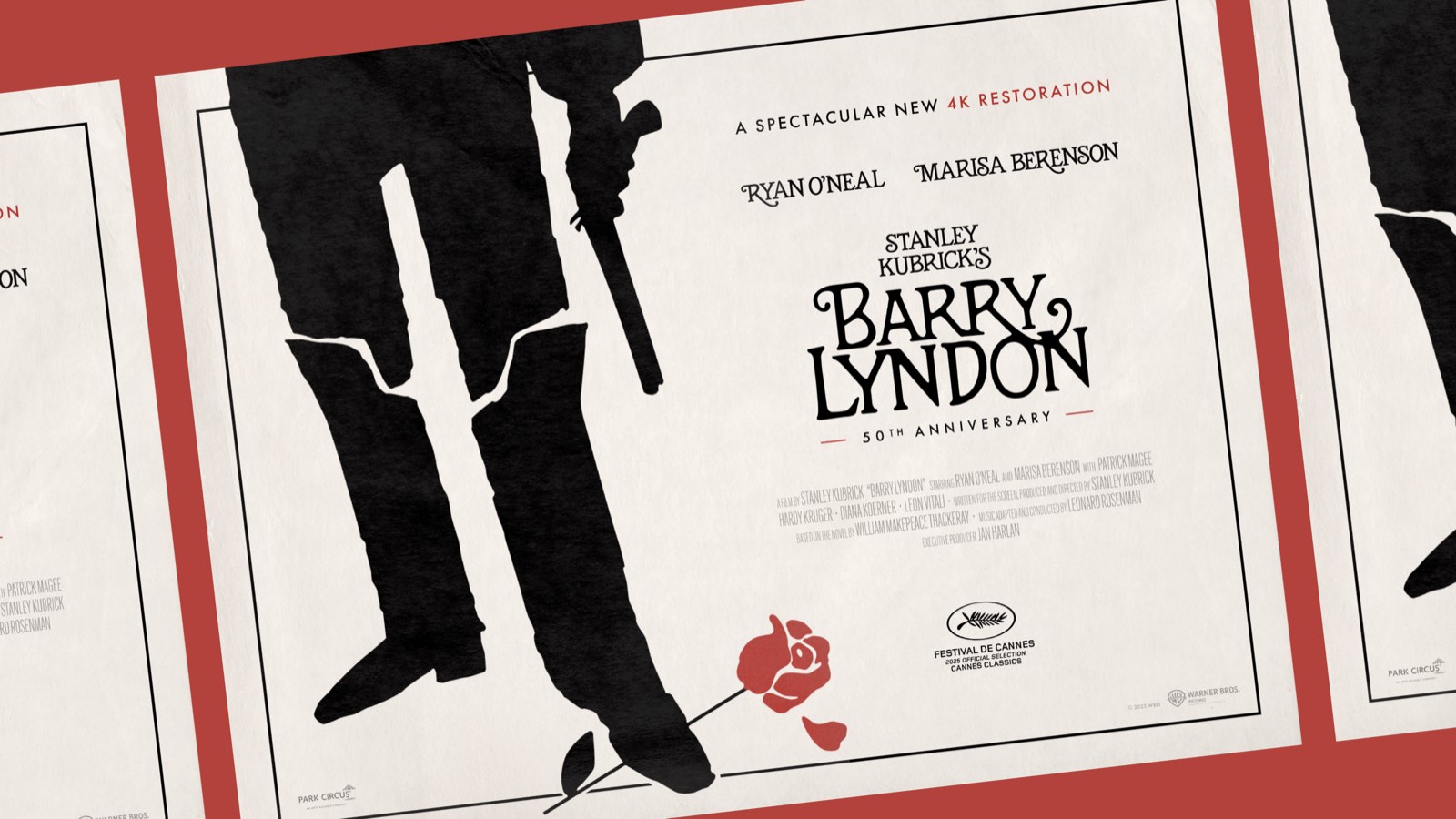
Screenings typically unfold in the more intimate venues of the Palais des Festivals, where cinephiles, archivists, and filmmakers gather to experience films that shaped generations. Yet Cannes Classics occasionally expands into the larger Debussy Theatre for special presentations—events that often become highlights of the festival’s calendar. These screenings remind audiences that cinematic heritage deserves the same spotlight as contemporary premieres.
The 2025 lineup continued the section’s tradition of balancing internationally renowned masterpieces with lesser-known works from regions whose film histories remain underexplored. This thoughtful curation allows Cannes Classics to function both as a celebration of legendary titles and as a platform for rediscovering overlooked cinematic treasures.
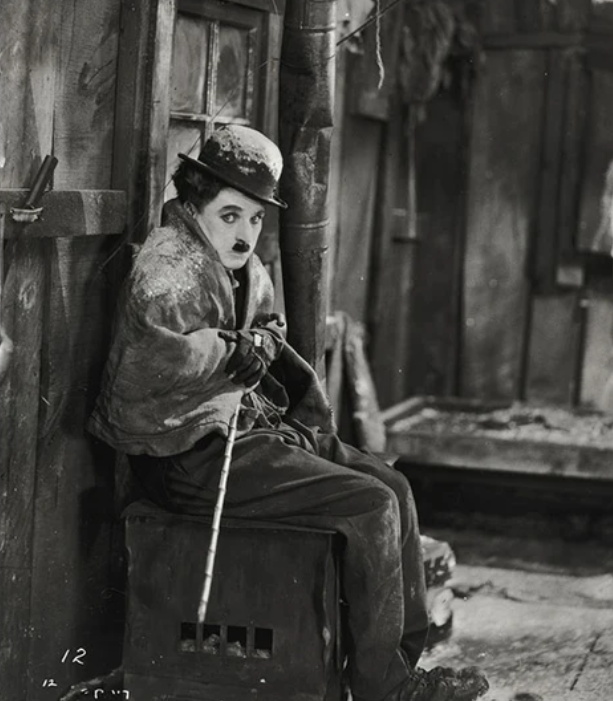
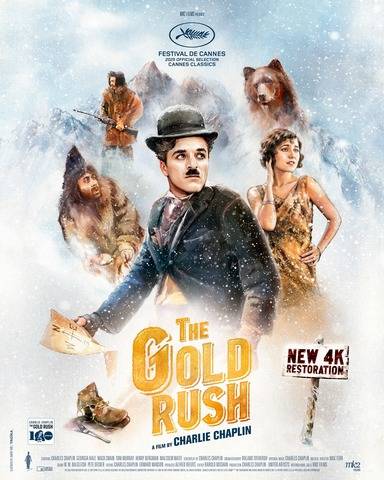
Among the most memorable moments this year was the centennial presentation of Charlie Chaplin’s The Gold Rush, meticulously restored after an extensive international archival effort. For many viewers, the screening felt less like a historical revisit and more like a genuine premiere—proof that restoration can renew a film’s emotional power for modern audiences.
Another key aspect of the program is the presence of filmmakers and industry figures who introduce the restored works, creating a dialogue between generations of cinema. These conversations reinforce one of Cannes’ enduring philosophies: that film history and contemporary filmmaking constantly inform one another.
Ultimately, Cannes Classics has become more than a retrospective section—it is a celebration of cinema’s continuity. By preserving and presenting films from across eras and cultures, the program ensures that the stories, aesthetics, and innovations of the past remain part of the conversation shaping the future of film.
At a festival defined by premieres and competition, Cannes Classics offers something equally valuable: the chance to rediscover why cinema mattered in the first place—and why it still does.
By Hikmat Majeed – Cannes Film Festival 2025


COMMENTS